
UN Warns World to Prepare for Life Beyond 1.5C Warming
This digest was compiled by AI from multiple sources — links to the originals are below.
The United Nations has for the first time acknowledged that the world will overshoot the 1.5°C warming limit set by the Paris Agreement, with current policies leading to at least 1.8°C of warming. The warning comes after a summer of record heat in Europe and deadly floods in Asia. Climate scientist Michael Mann says the 1.8°C target is still achievable despite two years of U.S. inaction.
Key Facts
- The UN Environment Programme report states that even if all climate commitments are met, the world is expected to warm by at least 1.8°C above pre-industrial levels.
- The world is now expected to warm to 1.5°C above pre-industrial levels within the next few years, according to the UN report.
- July became the single-hottest month ever recorded in the U.S., and Europe experienced record temperatures this summer.
- UN Secretary-General António Guterres said at the report's launch that every fraction of a degree will cost lives and push ecosystems closer to irreversible damage.
- Climate scientist Michael Mann says the 1.8°C target is still absolutely achievable despite two years of U.S. inaction.
UN Report Findings
The UN Environment Programme report, released ahead of a late September climate summit, marks the first time the UN has acknowledged the world will overshoot the 1.5°C target. The report states that even if all climate commitments are met, the world is expected to warm by at least 1.8°C above pre-industrial levels. It also projects that the world will reach 1.5°C of warming within the next few years. The report warns that temperature rise will lead to more extreme weather events, glacier melting, rising sea levels, and coral bleaching. It further cautions that changes in crucial global systems, such as the weakening or collapse of ocean currents, could reshape the world forever.
Climate Impacts and U.S. Policy
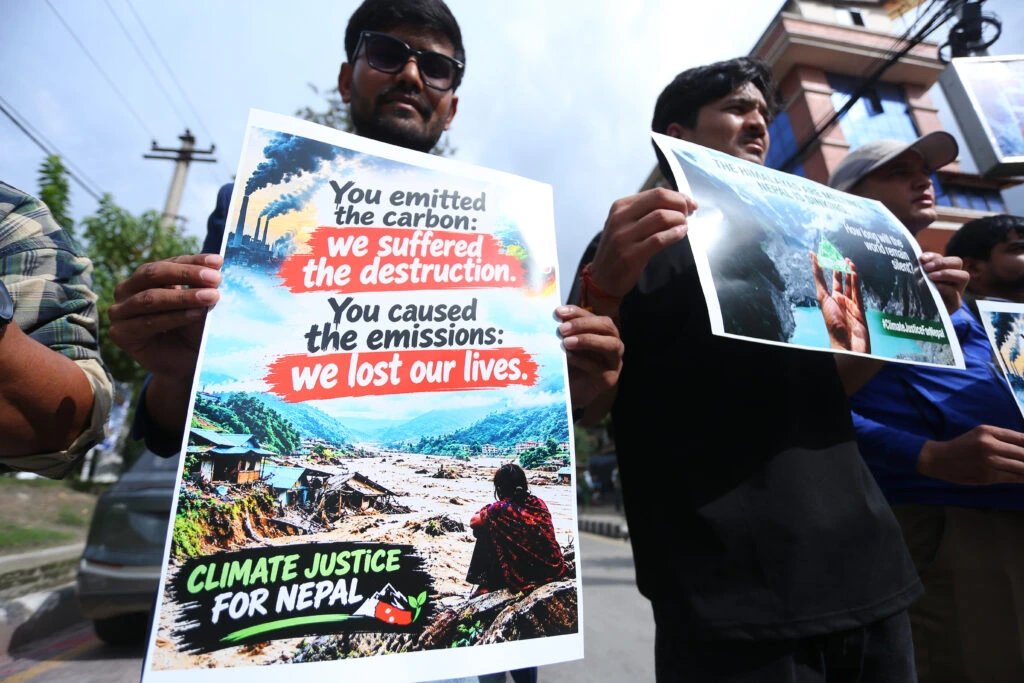
This year recorded one of the hottest summers globally, with deadly heat waves in Europe and catastrophic floods in Nepal. July became the single-hottest month ever recorded in the U.S., according to climate scientist Michael Mann. Despite the evidence of growing danger, the Trump administration is moving to dismantle regulations that constrain warming emissions from power plants and other sources. Mann, a professor at the University of Pennsylvania, says the climate crisis and fossil fuel dependence is more deadly than the deadliest pandemic experienced yet.
Path to 1.8°C
Mann says the world may miss the 1.5°C exit, but the next exit of 1.8°C would be a whole lot better than 2°C and is still absolutely achievable. He attributes the likely miss of 1.5°C to two years of inaction in the U.S. under the current administration. UN Secretary-General António Guterres called for accelerating the phaseout of fossil fuels, slashing methane pollution, and protecting land, forests, and oceans.
2 sources
Time · lag behind first