
UN projects 150-300 million displaced by 2100 as sea levels rise
This digest was compiled by AI from multiple sources — links to the originals are below.
The United Nations projects that 150 to 300 million people could be forced from their homes by 2100 if sea levels rise by half a meter. Another 500 million may lose access to fresh water and farmland, UN special adviser Andrew Harper said. The warning comes as Pacific nations face sea level rise at twice the global average.
Key Facts
- The UN projects 150 to 300 million people could be displaced by 2100 if sea levels rise by half a meter.
- About 500 million people may lose access to fresh water and agricultural land, according to UN special adviser Andrew Harper.
- Sea levels in some Pacific countries are rising at twice the global average despite minimal contribution to global emissions.
- Bangladesh faces soil and freshwater salinization from sea encroachment, threatening agriculture and food security.
- International law does not recognize a separate status of 'climate refugee' for people displaced by drought, floods, or sea level rise.
Displacement Projections
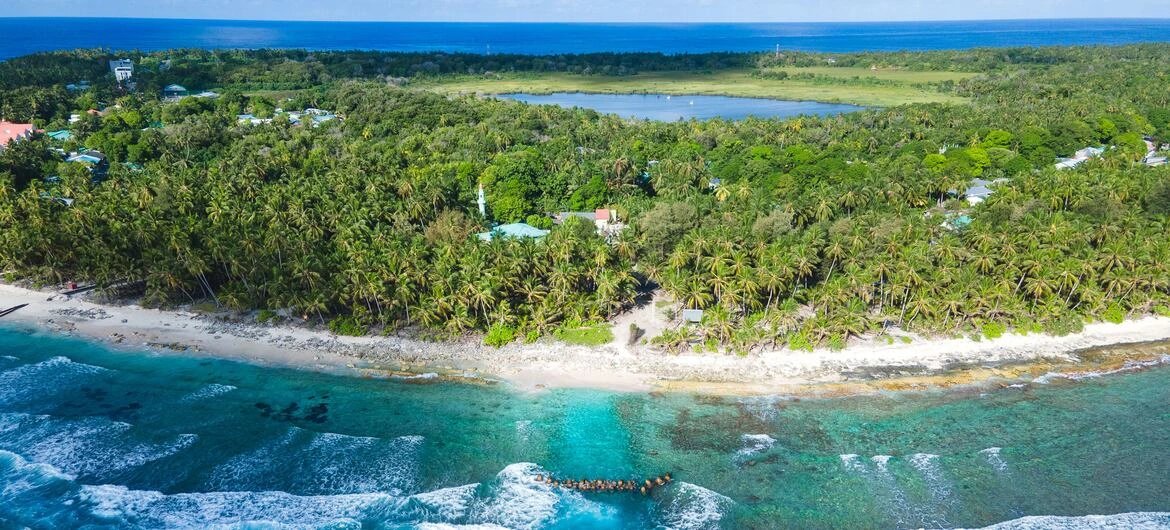
The UN estimates that 150 to 300 million people could be forced to leave their homes by the end of the century if sea levels rise by half a meter. Andrew Harper, special adviser on climate action to the UN High Commissioner for Refugees, said another 500 million people may face loss of access to fresh water and agricultural land. Sea level rise is no longer a distant threat but is happening now and accelerating, according to the UN. In some Pacific countries, sea levels are rising at twice the global average despite their minimal contribution to global emissions.
Regional Impacts and Adaptation
In Bangladesh, sea encroachment is causing salinization of soils and freshwater sources, threatening agriculture and food security. The ability to withstand these impacts depends largely on the resources available to people and states, the UN said. Harper named mangrove planting, coastal protection, drainage systems, early warning, and disaster preparedness as measures to protect the most vulnerable areas. He also called for preventing further settlement in areas threatened by flooding.
Legal Status and Migration Patterns
International law does not recognize a separate status of 'climate refugee'; displacement due to drought, floods, or sea level rise alone is not grounds for refugee status. However, international law is gradually developing toward preserving the statehood of countries threatened by sea level rise. Under the emerging approach, at-risk countries should retain sovereignty, international legal status, and maritime zone rights even if their territory becomes uninhabitable. Such legal protection would allow displaced residents to retain citizenship and associated rights. Most people do not leave their countries but move from coastal and rural areas to cities, creating additional pressure on infrastructure and resources of host communities.
1 source
Time · lag behind first