
Mercury's low silicon dioxide points to deep mantle melting, study finds
This digest was compiled by AI from multiple sources — links to the originals are below.
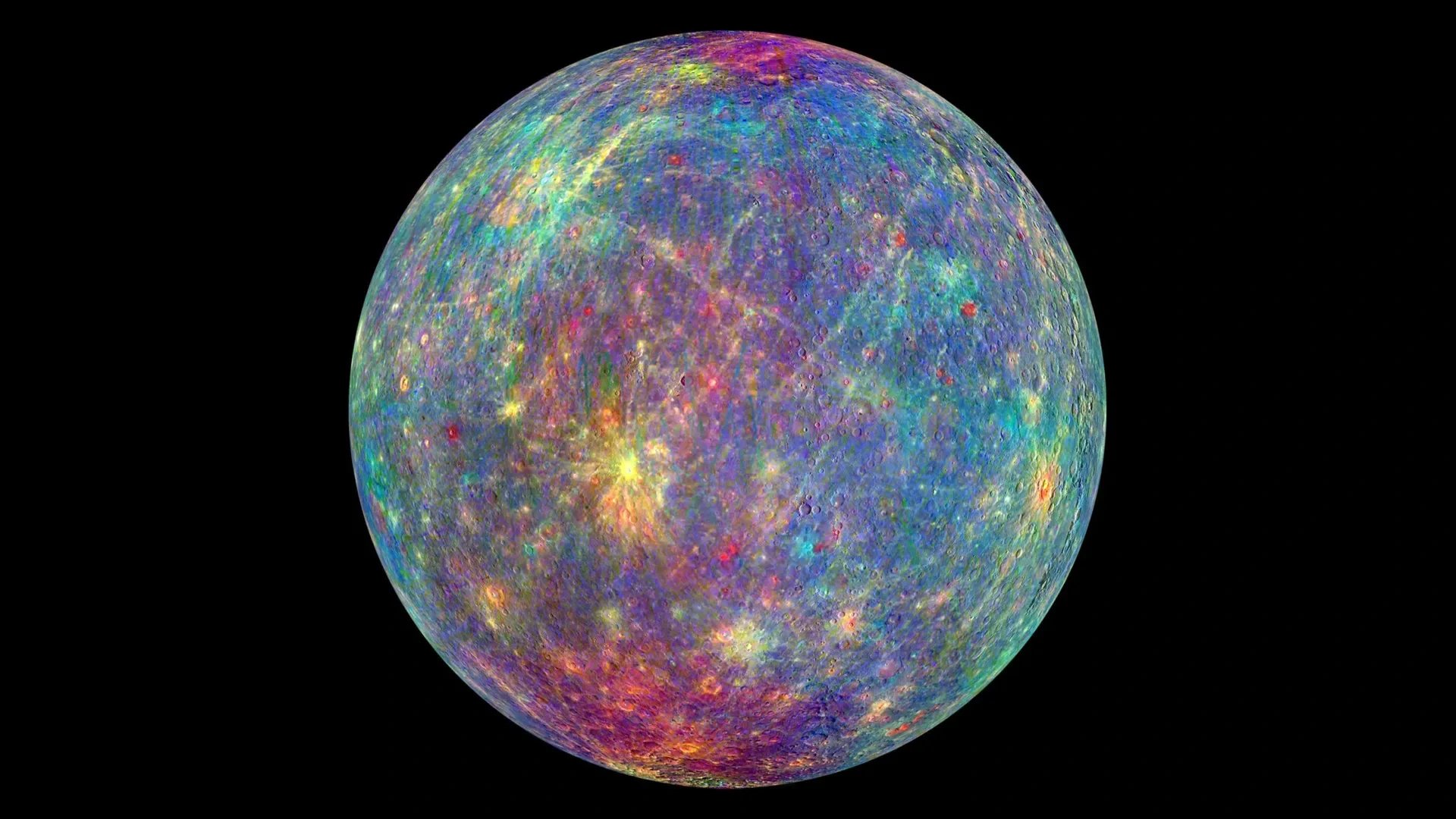
Researchers from the Max Planck Institute for Solar System Research and German universities found silicon dioxide makes up about 37 percent of Mercury's surface material by mass, up to 25 percent less than previous estimates. The finding, published in Planetary Research, suggests Mercury's volcanic rocks formed from more deeply melted mantle material than previously assumed. The low silicon dioxide level may indicate extensive melting at very high temperatures early in the planet's history.
Key Facts
- Silicon dioxide makes up about 37 percent of Mercury's surface material by mass, according to a study published in Planetary Research.
- The new estimate is up to 25 percent lower than previous estimates suggested.
- Christian Renggli of the Max Planck Institute for Solar System Research led the study and heads the Experimental Laboratory Magma Ocean research group.
- On Earth, basalt, andesite, and granite can contain as much as 75 percent silicon dioxide.
Surface Composition
Researchers from the Max Planck Institute for Solar System Research and the Universities of Münster and Göttingen produced the most precise estimate yet of silicon dioxide on Mercury's surface. The findings, published in the journal Planetary Research, show silicon dioxide makes up about 37 percent of Mercury's surface material by mass. This is up to 25 percent less than previous estimates suggested. Silicon dioxide is extremely common on Earth, occurring in pure form in materials such as sand and as a major component of volcanic rocks. Basalt, andesite, and granite can contain as much as 75 percent silicon dioxide.
Mantle Melting History
The unexpectedly low amount of silicon dioxide on Mercury could provide an important clue about how the planet's crust formed. Christian Renggli, lead author of the study and head of the Experimental Laboratory Magma Ocean research group at MPS, said the findings suggest Mercury's volcanic rocks formed from more deeply melted mantle material than previously assumed. Early in a planet's history, much of the mantle can remain molten, and as it cools, the first rocks to solidify contain relatively little silicon dioxide. As more material crystallizes, silicon dioxide becomes increasingly concentrated in the remaining melt, so lava reaching the surface later tends to contain larger amounts of the compound. In Mercury's case, the low silicon dioxide level suggests volcanic material may have come from deeper regions of the mantle that experienced more extensive melting at very high temperatures.
Alternative Explanation
Another possibility is that Mercury's crust originally contained more silicon dioxide but gradually lost oxygen over time. Mercury appears to have cooled relatively quickly, with volcanic activity largely stopping roughly one billion years after its formation. Earth never reached that same state, as its crust remains geologically active with volcanoes and plate tectonics continuously reshaping the planet.
1 source
Time · lag behind first