
324-million-year-old fossil reveals insects once had 24 legs
This digest was compiled by AI from multiple sources — links to the originals are below.
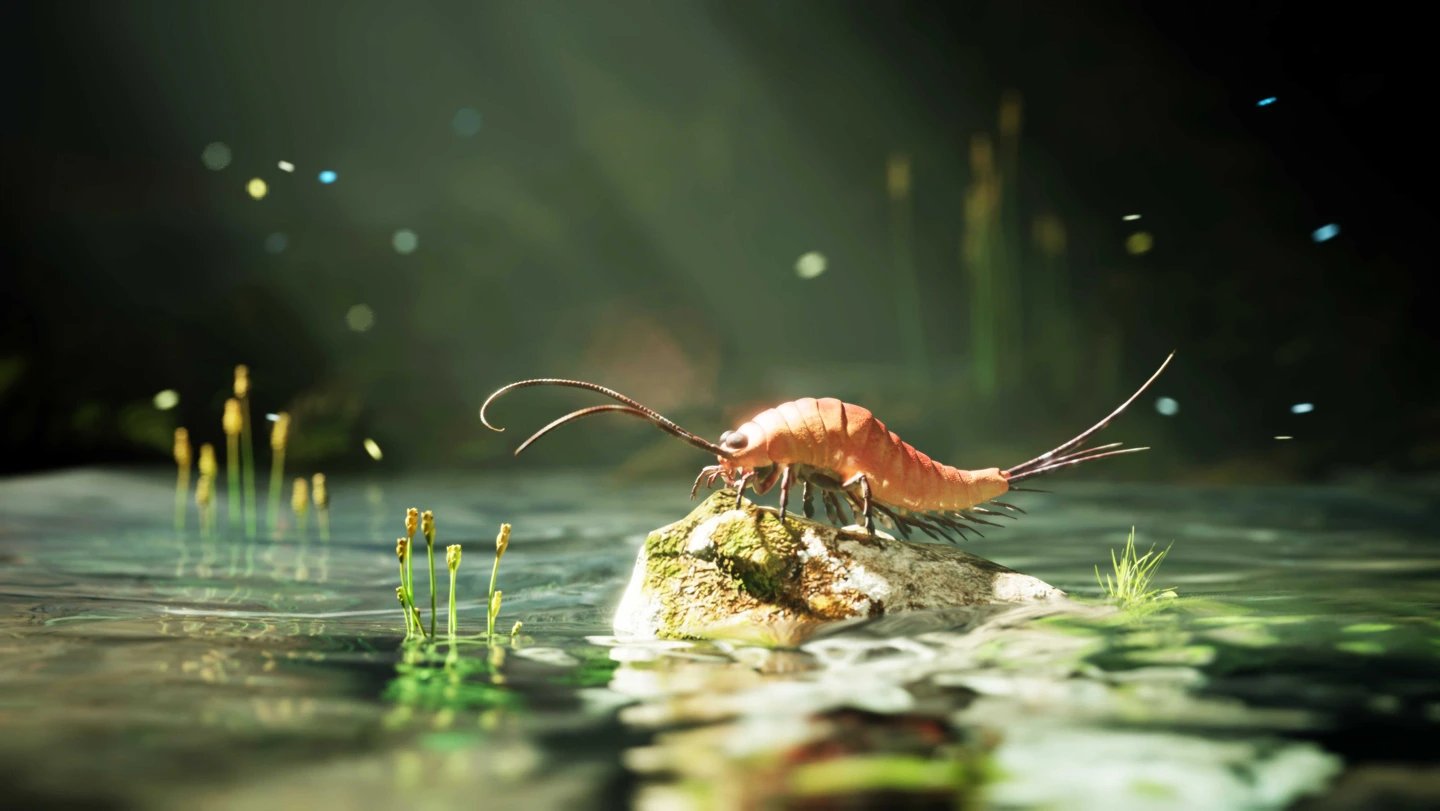
A 324-million-year-old fossil from West Texas shows an insect with 24 legs, researchers report August 26 in Nature. The specimen, named Chosha praecursor, had nine extra pairs of abdominal legs with paddle-like ends. The find fills a gap in the fossil record between many-legged ancestors and modern six-legged insects.
Key Facts
- The fossil was collected in 1985 from a shale bed north of Big Bend National Park in West Texas.
- The specimen was initially misidentified as a juvenile crustacean called Tesnusocaris goldichi.
- Paleoentomologist Erik Tihelka of the University of Cambridge led the team that re-examined the fossil.
- The fossil bears nine extra pairs of short, stubby legs on its abdomen, with rear legs ending in flattened, grooved paddles.
- The name Chosha praecursor combines the Navajo word for insect, ch'osh, with the Latin for predecessor.
Rediscovery and Identification
The fossil was collected in 1985 from a rocky outcrop north of Big Bend National Park in West Texas. It was initially mistaken for a juvenile of the crustacean Tesnusocaris goldichi, found in the same dark shale. The specimen languished in a museum drawer at the San Diego Museum of Natural History for decades. Erik Tihelka, a paleoentomologist at the University of Cambridge, spotted a line drawing of the fossil in a secondhand Russian paleontology textbook. Tihelka traveled to San Diego to examine the specimen, which at first resembled little more than a black smudge.
Anatomical Evidence
Using polarized light filters to cut glare and sharpen contrast, Tihelka discerned a three-segmented thorax, an 11-section abdomen, whiplike antennae, and three pairs of walking legs. The fossil also had nine extra pairs of short, stubby legs on its abdomen, with the rear pairs ending in flattened, grooved paddles. These paddle-like legs may have helped the insect swim or scuttle through muddy shallow seas. The specimen also possessed a long central tail flanked by two shorter ones and a stiff tube for laying eggs.
Evolutionary Significance
The discovery offers a glimpse of the transition from many-legged, shrimplike ancestors to the six-legged insects of today. Tihelka noted that the fossil straddles a big gap in the fossil record and shows transitional forms along the way. Similar multi-legged, insectlike fossils include a 405-million-year-old specimen from Scotland and undescribed specimens from the Mazon Creek beds of Illinois. The name Chosha praecursor is inspired by the Navajo creation myth, in which insectlike people inhabited a primordial world.
2 sources
Time · lag behind first