
Katalyst and NASA cancel Swift rescue mission after Link attitude failure
This digest was compiled by AI from multiple sources — links to the originals are below.
Katalyst Space and NASA canceled the Link spacecraft's mission to boost the orbit of the Neil Gehrels Swift Observatory on Wednesday, citing ongoing attitude-control problems. NASA's $500 million Swift telescope, which has studied gamma-ray bursts since 2004, is now expected to fall into Earth's atmosphere and burn up later this year.
Key Facts
- Katalyst Space and NASA announced that the Link spacecraft will not attempt to capture and boost the Neil Gehrels Swift Observatory due to ongoing attitude control issues.
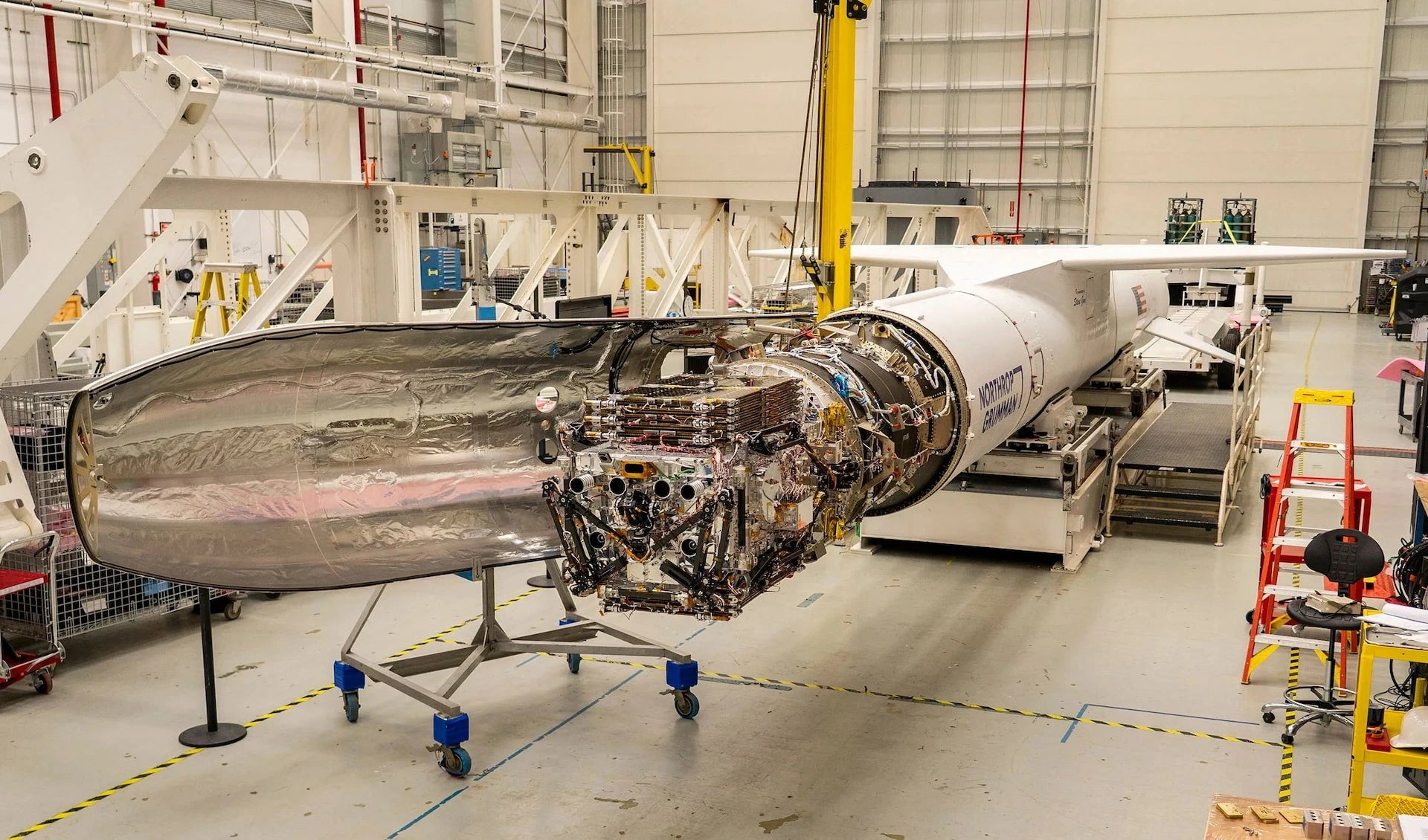
- Link launched July 3 on a Northrop Grumman Pegasus XL rocket and was built under a $30 million NASA contract.
- After launch, the spacecraft entered a multi-axis spin, losing two of its three reaction wheels; by early August, engineers slowed the spin from 9 degrees per second to 1.47 degrees per second.
- NASA's $500 million Swift Observatory, which has studied gamma-ray bursts since 2004, is expected to burn up in Earth's atmosphere later this year.
- Katalyst CEO Ghonhee Lee said the company learned a 'tremendous amount' and will apply lessons to future flights.
Mission Cancellation
Katalyst Space and NASA announced that the Link spacecraft will not attempt to capture and boost the Neil Gehrels Swift Observatory, citing ongoing attitude control issues. The decision came after Katalyst engineers uploaded new positioning-control software last week that slowed but did not stop the spacecraft's errant spin. Link was launched July 3 on a Pegasus XL rocket from NASA's Wallops Flight Facility in Virginia, with a goal of raising Swift from about 216 miles (347 km) to roughly 373 miles (600 km). The mission, valued at $30 million under a NASA contract, was the first U.S. attempt of its kind to reboost a satellite in orbit. NASA's $500 million Swift Observatory, which has studied gamma-ray bursts and other cosmic phenomena since 2004, is expected to burn up in Earth's atmosphere later this year.
Link Spacecraft Anomaly
Shortly after launch, Link began spinning uncontrollably, and Katalyst reported July 28 that the spacecraft had entered a multi-axis spin caused by attitude-control problems. The failure included the loss of two of the spacecraft's three reaction wheels, and its reaction control system thrusters were only partially working. By early August, engineers using the craft's electric thrusters had slowed the spin from 9 degrees per second to 1.47 degrees per second. Despite the slowdown, Katalyst and NASA concluded the spacecraft's attitude control issues prevented a safe capture and boost of Swift. The Link vehicle was built and tested on a nine-month production schedule by Arizona-based Katalyst, founded in 2019.
Company Response
Katalyst CEO Ghonhee Lee said the company took on a high-risk, high-reward challenge and is proud of the milestones reached along the way. He added that Katalyst learned a 'tremendous amount' during the mission and plans to implement those lessons on future flights. The company, founded in 2019, aims to build fleets of autonomous robotic spacecraft.
4 sources
Time · lag behind first