Satellite rescue missions face growing orbital debris challenge
This digest was compiled by AI from multiple sources — links to the originals are below.
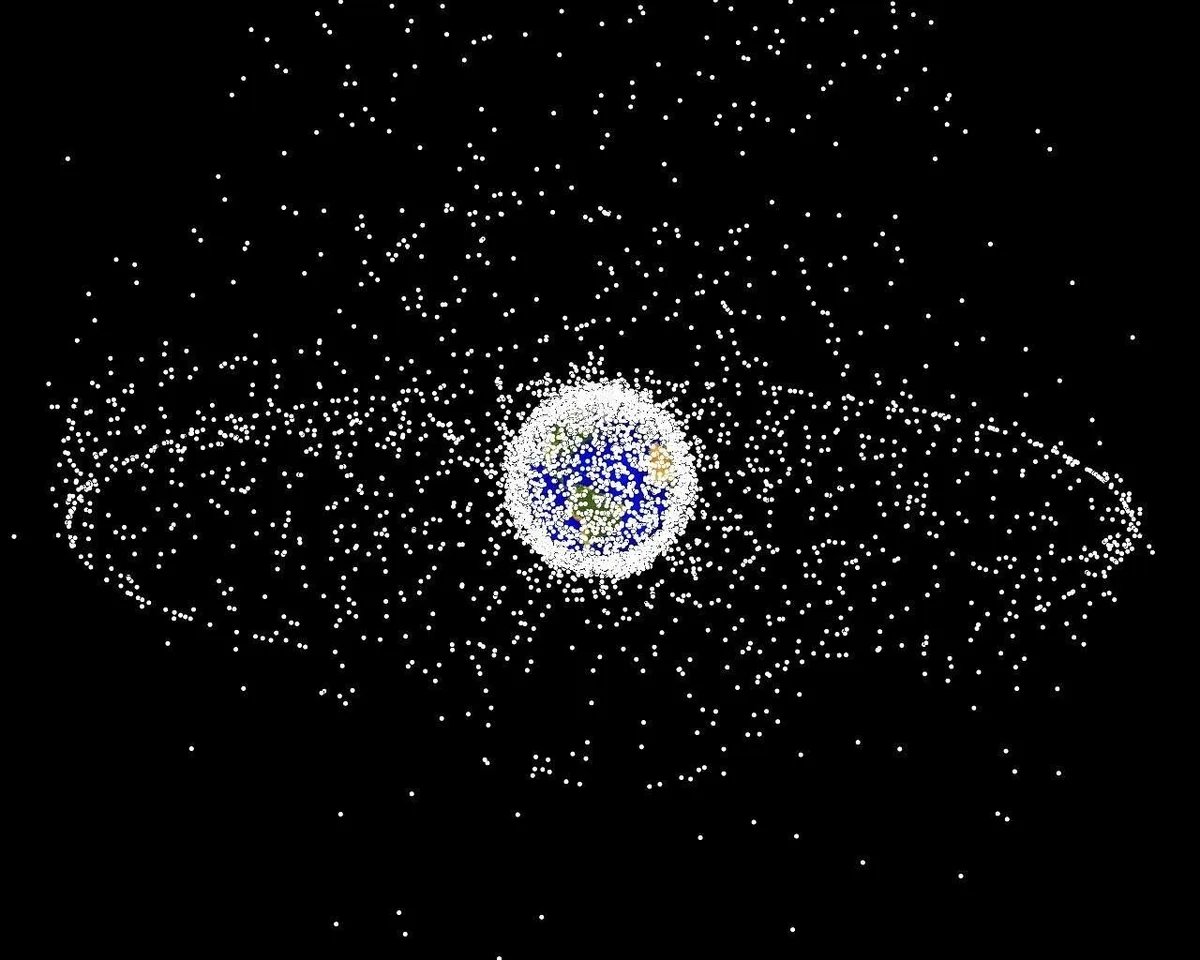
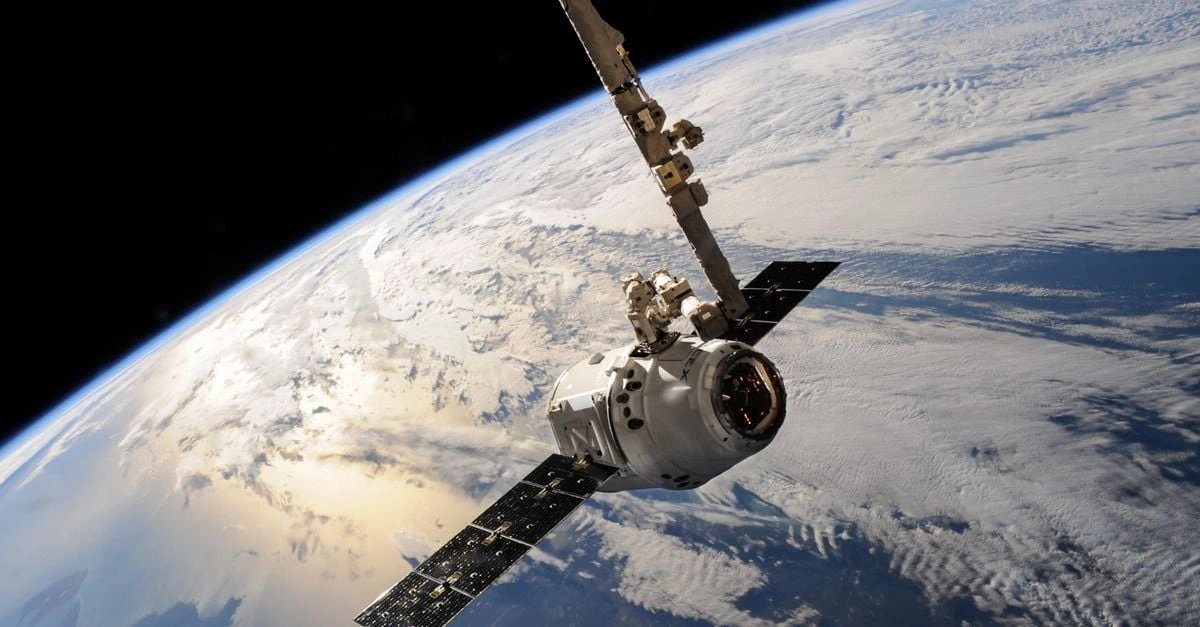
A commercial robotic spacecraft called LINK launched on July 3, 2026, on an emergency mission to save NASA's Neil Gehrels Swift Observatory from falling toward Earth. Over the coming weeks, LINK will attempt to grasp the telescope and raise it to a safer orbit. The mission highlights the difficulty of servicing unprepared satellites amid a growing debris field of over 1.2 million objects larger than 1 cm.
The Capture Challenge
Catching a dead or disabled satellite requires a servicer spacecraft to identify a safe attachment point and estimate the object's shape, mass, and motion, often with incomplete data. Prepared satellites carry a built-in docking feature like a tow hook, but many older satellites lack any such marker. Northrop Grumman's Mission Extension Vehicles have successfully docked with communications satellites, but solar panels or insulation blankets may not bear the load.
Orbital Dynamics
A disabled satellite does not hold still—it continues orbiting Earth and may spin or tumble uncontrollably. The servicer must approach without causing a collision, and any hard contact can send both objects spinning. The European Space Agency estimates more than 1.2 million debris pieces larger than 1 cm are in orbit, each capable of causing severe damage in a collision.
What's Next
LINK will attempt to grasp the Swift telescope in the coming weeks, with the goal of raising it to a safer orbit over several months. It remains unclear whether the servicer can successfully dock with the unprepared satellite or if the mission will generate new debris.
1 source
Satellite rescue missions face growing orbital debris challenge