
NASA approves US Deorbit Vehicle development for ISS controlled re-entry in 2030
This digest was compiled by AI from multiple sources — links to the originals are below.
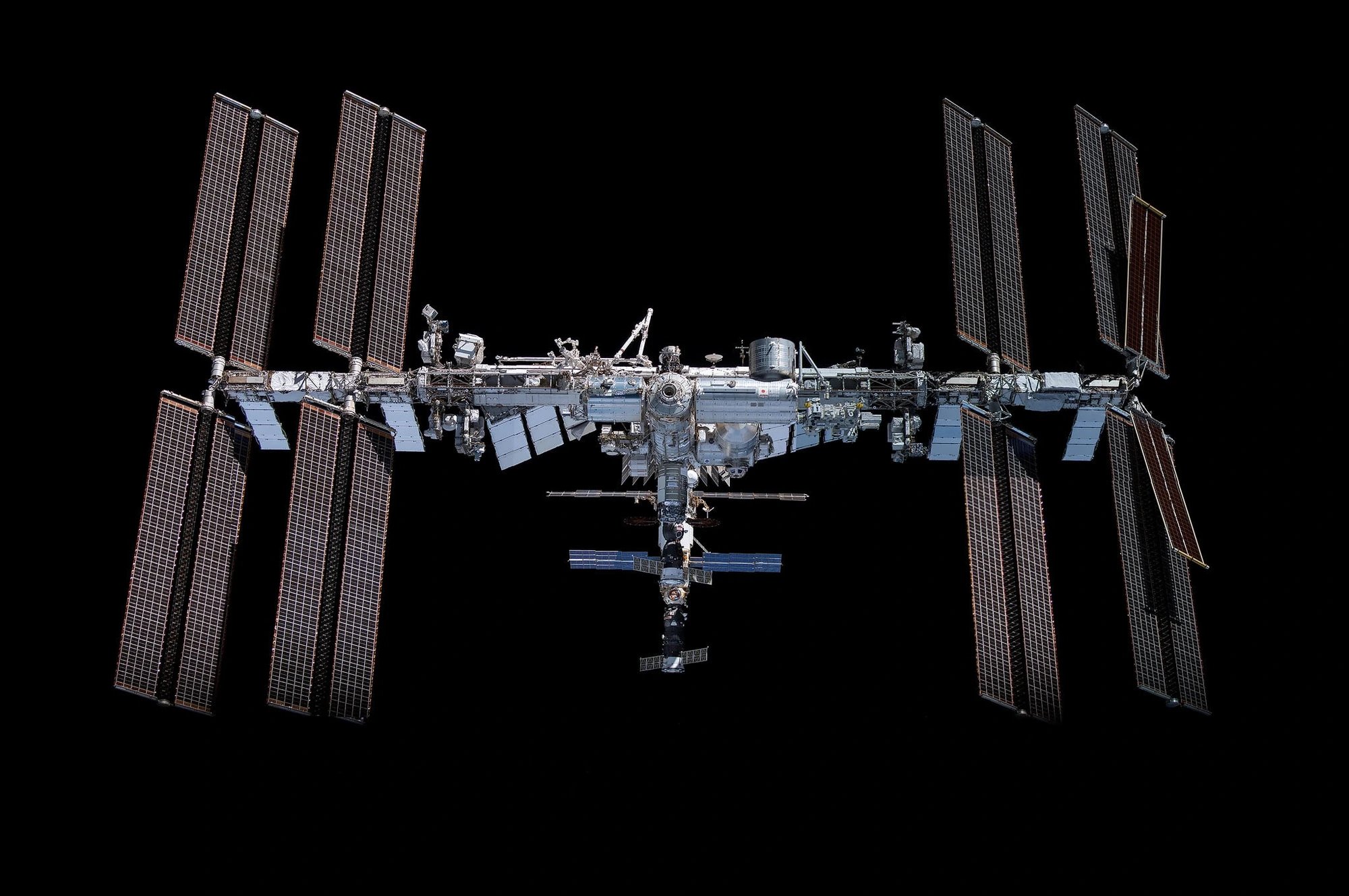
NASA has formally approved the development of the US Deorbit Vehicle, a heavily modified SpaceX Cargo Dragon designed to bring the 430-tonne International Space Station safely out of orbit in late 2030. The vehicle, powered by an enlarged trunk with additional Draco thrusters, is scheduled for delivery in late 2028 and will target a remote area of the South Pacific near Point Nemo for a controlled re-entry. The move marks a transition from contract award to active development, following the approval of cost and schedule baselines in February 2026.
The Deorbit Plan
NASA’s plan calls for a staged descent rather than a single dramatic push. Atmospheric drag and existing propulsion systems will lower the ISS orbit as much as possible after the final crew departs. Operators will then command the US Deorbit Vehicle to perform a large re-entry burn, steering the debris footprint toward an uninhabited part of the South Pacific. While widely referred to as Point Nemo, the target is a remote ocean region, not a pinpoint coordinate. The current ISS systems and docked Progress vehicles provide only limited margin for a safe deorbit, NASA said.
Vehicle Design
The spacecraft is based on SpaceX’s Cargo Dragon, but its trunk is enlarged and fitted with additional Draco thrusters. It must dock with the station, control attitude during the descent, and execute both orbit-shaping and final re-entry burns. NASA will own and operate the vehicle after delivery, while the launch service is being procured under a separate contract. Delivery is scheduled for late 2028, two years before the planned deorbit in 2030.
Timeline and Funding
SpaceX won the firm-fixed-price contract in June 2024, valued at up to $843 million. The project moved beyond the award announcement in February 2026, when NASA approved cost and schedule baselines, formally placing it in development, according to the agency’s fiscal year 2027 budget request. The 430-tonne station, too large to leave to an uncontrolled re-entry, will be guided down after more than three decades of continuous operation.
1 source
Time · lag behind first