NASA's Roman Space Telescope launches aboard SpaceX Falcon Heavy
This digest was compiled by AI from multiple sources — links to the originals are below.
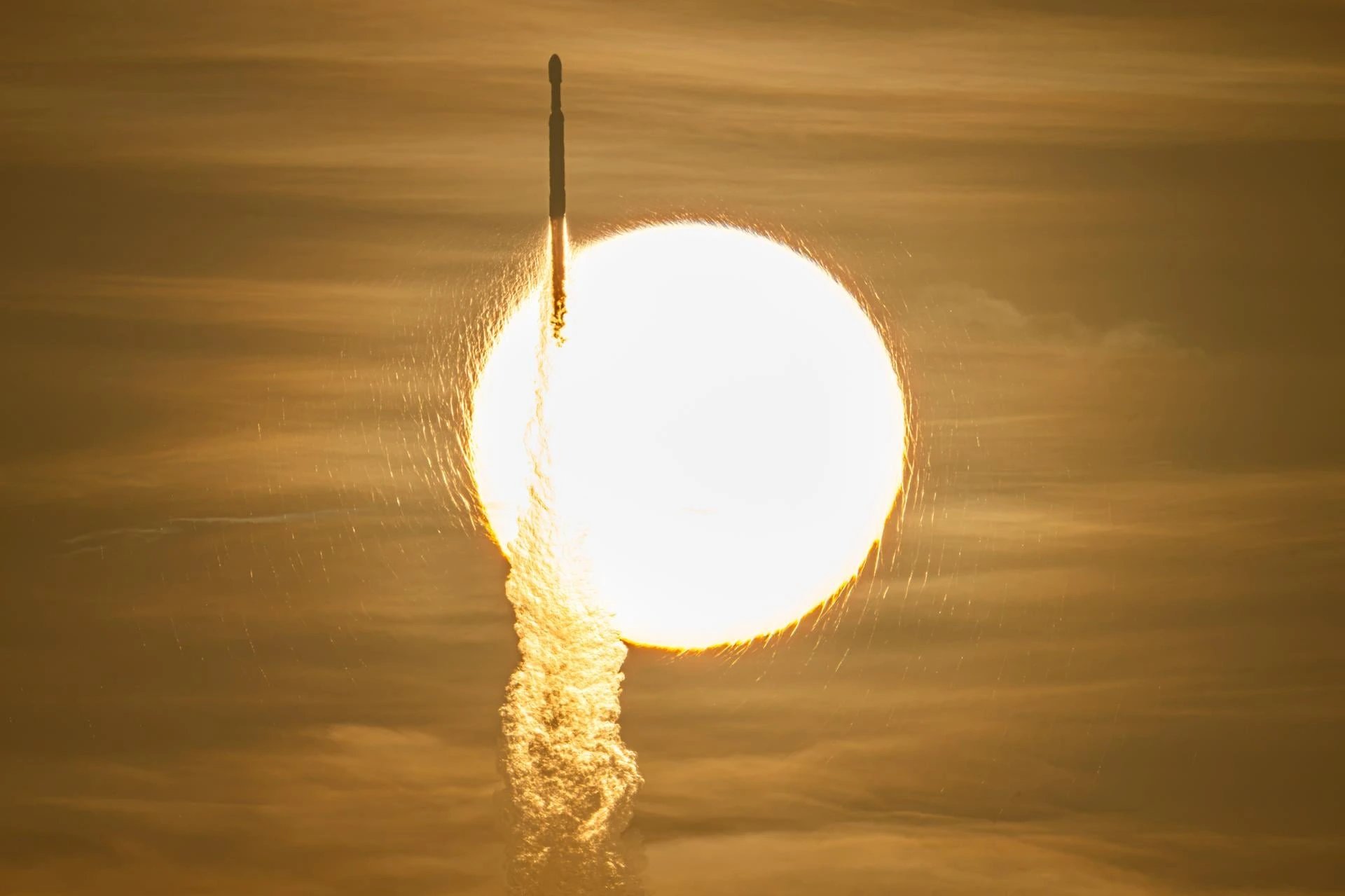
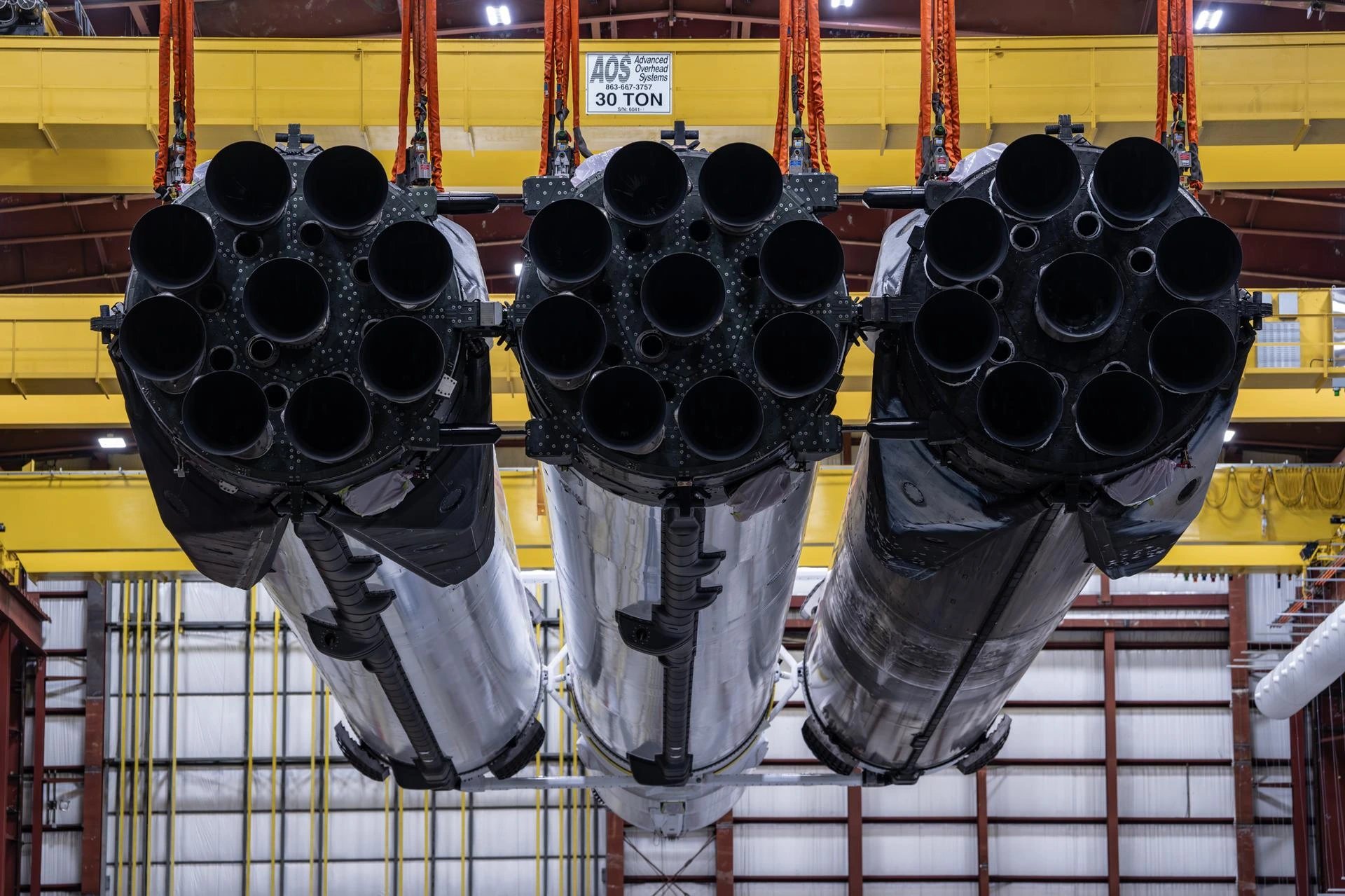
NASA's Nancy Grace Roman Space Telescope launched at 7:26 a.m. EDT Sunday aboard a SpaceX Falcon Heavy from Kennedy Space Center. The observatory separated from the rocket's upper stage 31 minutes after liftoff and is now flying toward the Sun-Earth L2 point, 1.5 million km from Earth. Solar panels and the lower instrument sun shade deployed successfully, NASA confirmed.
Key Facts
- The Falcon Heavy lifted off from Launch Complex 39A at 7:26 a.m. EDT on August 30, 2026.
- The telescope separated from the rocket's second stage 31 minutes after liftoff and began flying on its own.
- NASA confirmed deployment of the solar panels and lower instrument sun shade 1 hour 23 minutes after launch.
- Roman is heading for a halo orbit around the second Sun-Earth Lagrange point, L2, about 1.5 million kilometres from Earth.
- The launch puts the mission roughly nine months ahead of its formal May 2027 readiness deadline.
Launch Sequence
The Falcon Heavy performed its planned burns and placed Roman on an escape trajectory rather than into an ordinary Earth orbit. Its two side boosters separated and returned to landing zones at Cape Canaveral. The centre core and upper stage continued carrying the telescope, with the upper stage completing the final burn before spacecraft separation. Roman established communications through a Tracking and Data Relay Satellite during ascent. After separation, responsibility began passing from NASA's Near Space Network to the Deep Space Network, starting with the Canberra complex in Australia.
Early Operations
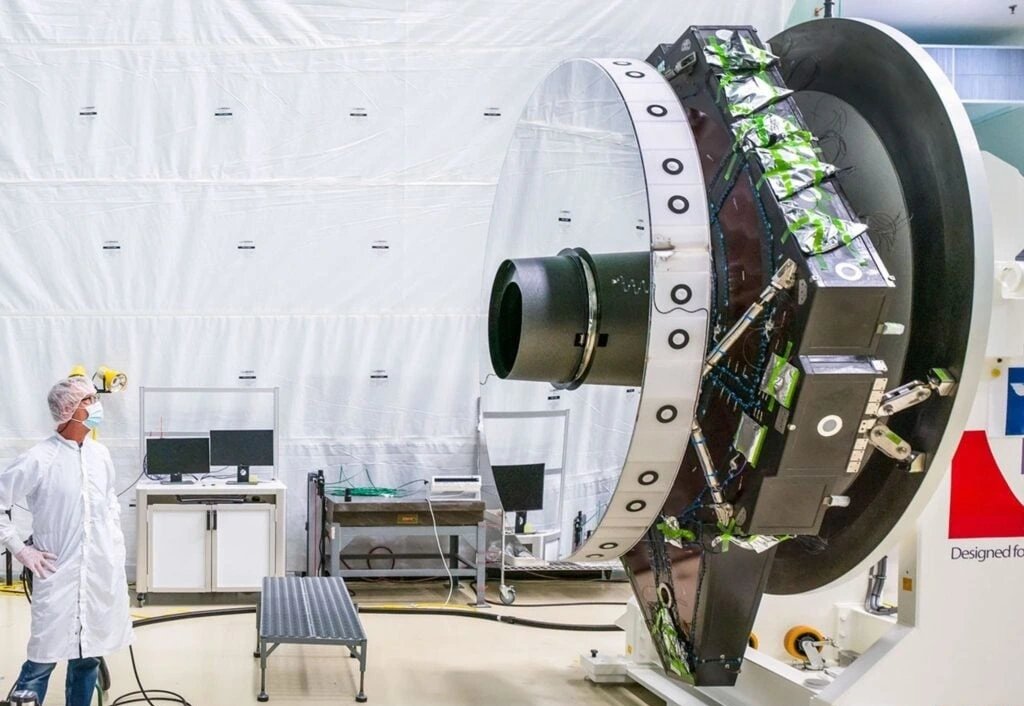
An hour and 23 minutes after launch, the mission team confirmed deployment of the solar panels and lower instrument sun shade. Over the next several days, the spacecraft must deploy its high-gain antenna and visor-like aperture cover. The Coronagraph Instrument will be powered on and the first of two planned mid-course corrections performed. Madrid and Goldstone were scheduled to follow Canberra, giving controllers continuous contact during the early journey.
Schedule Milestone
Roman's official commitment was to be ready for launch no later than May 2027. Launching on August 30, 2026 puts the mission roughly nine months ahead of that outer deadline. NASA has also called the date eight months early, reflecting whether the comparison uses the beginning or end of the May commitment window. A July 2026 Government Accountability Office assessment said the project was working toward August readiness, two months earlier than its earlier October 2026 launch date.
1 source
NASA's Roman Space Telescope launches aboard SpaceX Falcon Heavy