
Aral Sea reflooding could prevent 605 megatons of CO₂ emissions
This digest was compiled by AI from multiple sources — links to the originals are below.
A study published in Science estimates that reflooding the Aral Sea could prevent 605 megatons of CO₂ emissions, equivalent to nearly three years of Spain's greenhouse gas output. The desiccated seabed has already released 748 megatons of CO₂ since 1960. Researchers highlight the potential for carbon credits worth up to $18 billion.
The Carbon Release
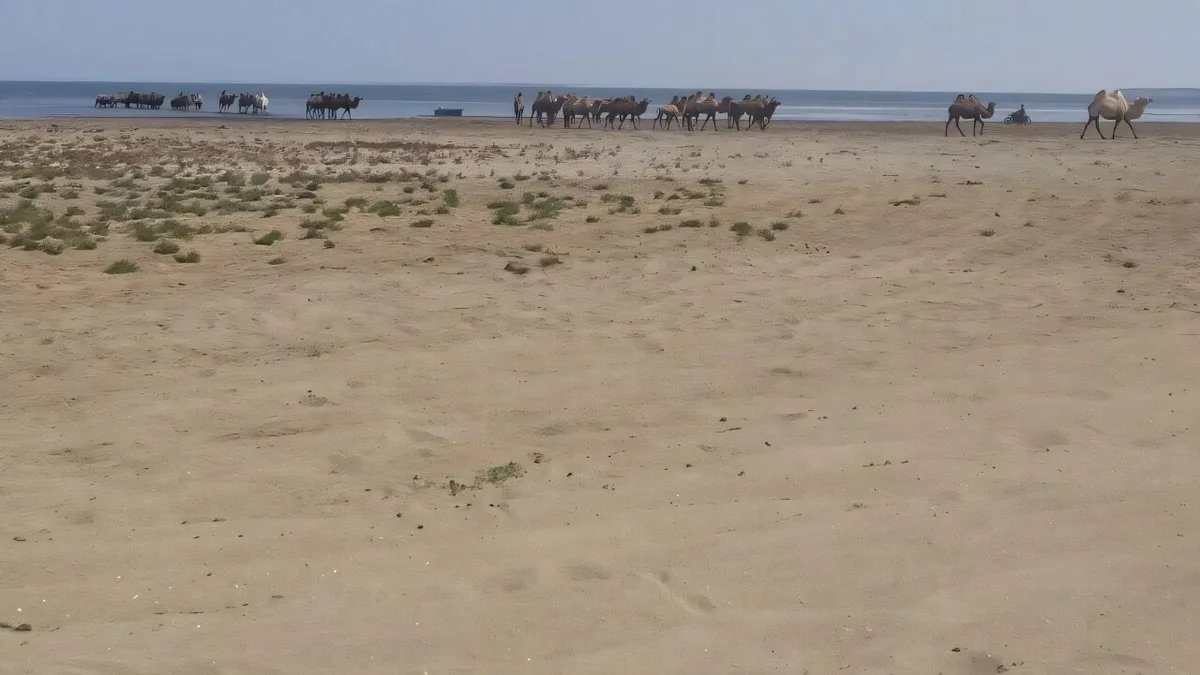
The Aral Sea, once the world's fourth-largest lake, has lost about 90% of its volume since the 1960s due to river diversion for irrigation. Exposed sediments have released 748 megatons of CO₂ into the atmosphere, according to a study led by the Centre for Advanced Studies of Blanes (CEAB-CSIC) and involving the Leibniz Institute of Freshwater Ecology and Inland Fisheries (IGB). This reversal of the lake's carbon sink function represents a significant contribution to atmospheric greenhouse gases.
Restoration Potential
The research team calculated that reflooding the dry seabed could prevent the release of an additional 605 megatons of CO₂, roughly equivalent to Spain's total emissions over three years. The preserved carbon could also generate between $3.6 billion and $18 billion in tradable carbon credits on voluntary markets. Lead author Rafael Marcé of CEAB-CSIC described the buried carbon as a 'hidden treasure' that could shift from being an emission source to a climate solution.
1 source
Time · lag behind first