
Pezeshkian: US must decide whether to end war amid Houthi strikes
Iran's president is distancing himself from the Houthi escalation while Saudi Arabia and its partners respond to a new wave of attacks from Yemen. The Houthi offensive along the Red Sea coast has been accompanied by missile interceptions, urgent military talks and warnings about risks to shipping.
Sources
· 9Пезешкиан: США должны решить, прекращать ли семимесячную войну, хуситы атакуют Саудовскую Аравию
1Военные начальники Саудовской Аравии, Турции и Пакистана проведут срочные переговоры по Йемену
2Коалиция во главе с Саудовской Аравией сбила шесть баллистических ракет хуситов
3Наступление хуситов на Красном море меняет войну в Йемене и риски для судоходства
4Силы Йемена заявили о взятии горы Карафан и гибели пяти хуситов
5Йеменские силы нанесли удары по хуситам у Мохи после захвата побережья Красного моря
6Хуситы обвинили Саудовскую Аравию в 26 ударах за сутки
7Йеменские силы начали контрнаступление против хуситов и намерены вернуть Сану
8G7 призывает Иран прекратить поддержку хуситов перед Генассамблеей ООН
9Key points
- The Houthis launched missile and drone strikes on Saudi Arabia, triggering emergency alerts in Mecca, Jeddah and Yanbu.
- The Saudi-led coalition intercepted six Houthi ballistic missiles headed toward Taif and Yanbu, and Greek Patriot systems shot down a missile and a drone near Yanbu.
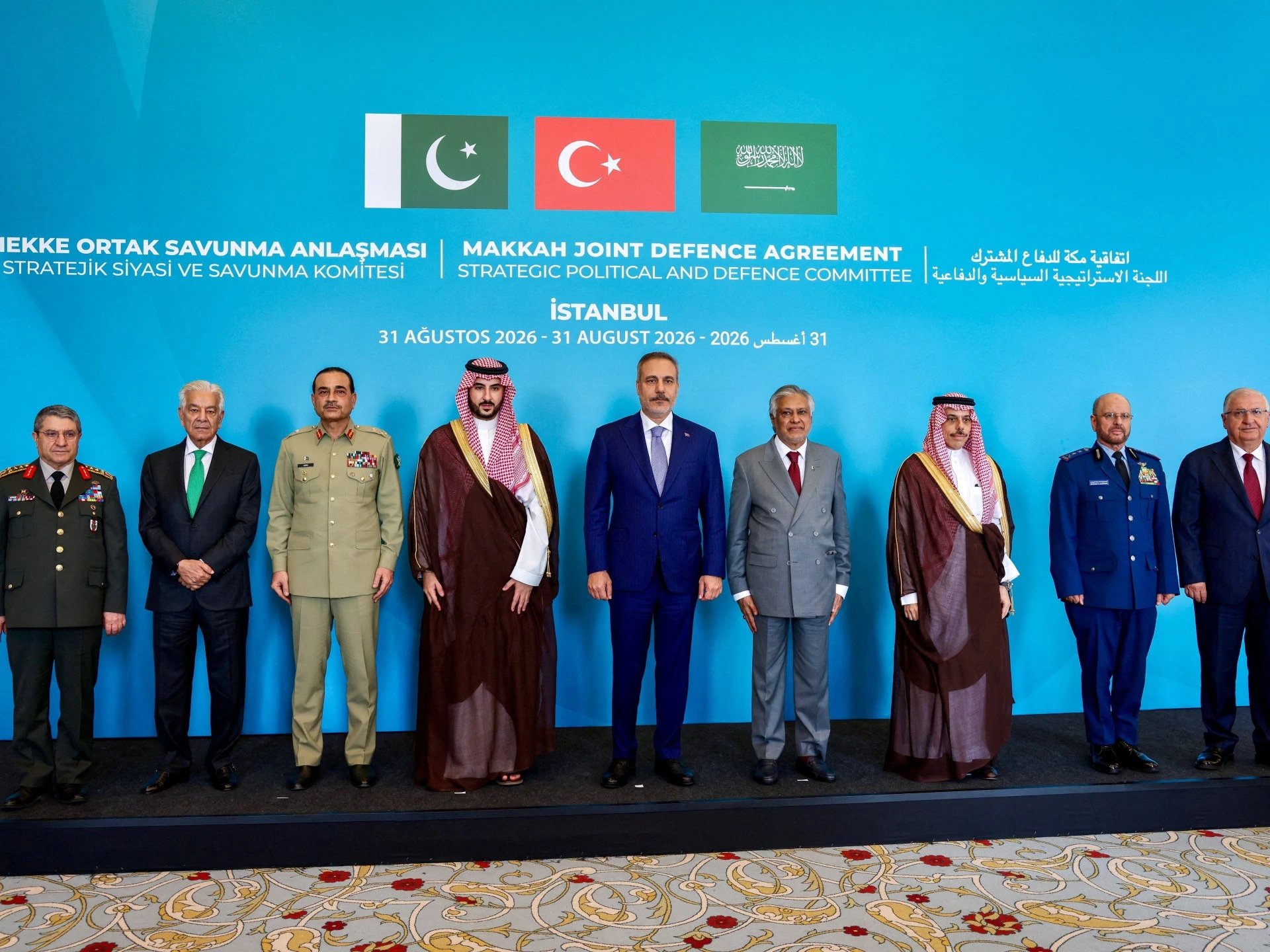
- Saudi Arabia, Turkey and Pakistan announced an emergency chiefs of staff meeting to discuss support for the kingdom under the Mecca Joint Defense Agreement.
- The Houthis captured the port of Mokha and Mayun Island, completing their control of the Bab el-Mandeb Strait; the UN reported more than 120,000 people displaced.
What happened
Iranian President Masoud Pezeshkian said in an interview with Fox News that aired Thursday that the United States must decide whether to end the seven-month war. On Friday, Houthi missile and drone strikes on Saudi Arabia triggered emergency alerts in Mecca, Jeddah and Yanbu. The Saudi-led coalition said it intercepted six ballistic missiles headed toward Taif and Yanbu on Thursday, while Greek Patriot air-defense systems also shot down a ballistic missile and a drone near Yanbu, a Greek security source told Reuters.
Saudi Arabia, Turkey and Pakistan announced plans to hold an emergency chiefs of staff meeting to discuss ways to support the kingdom under the Mecca Joint Defense Agreement. This comes amid a new wave of attacks from Yemen reported by Saudi Arabia.
The Iran-backed Houthi movement captured large stretches of the Red Sea coast, including the port of Mokha, which overlooks the Bab el-Mandeb Strait. Yemeni government forces carried out airstrikes on Houthi fighters near the port of Mokha, destroying equipment and killing members of the group. On Tuesday, government forces said they had seized Mount Karafan in Taiz, killing five Houthi fighters and wounding 20. The operation is part of a military and diplomatic push to reverse Houthi gains after the loss of the Red Sea coast.
Why it matters
The Houthi offensive followed the breakdown of a four-year informal truce. It has displaced more than 120,000 people, according to the UN, and the International Organization for Migration reported 132,000 displaced, including 75,000 in Taiz. Oil prices rose on concerns about further disruptions to global shipping, and Saudi Arabia temporarily closed the East-West Pipeline after a drone attack.
What changed
Earlier, the Houthis accused Saudi Arabia of 26 strikes in a single day and claimed that the number of Saudi strikes over the week had reached 300. Yemeni government forces launched a counteroffensive against the Houthis on Monday, and Deputy Defense Minister Major General Samir al-Sabri announced a decision to retake Sanaa. G7 foreign ministers earlier called on Iran to stop arming and supporting the Houthis and condemned Houthi attacks on Saudi Arabia.
What's Next
Saudi Arabia, Turkey and Pakistan will hold an emergency chiefs of staff meeting to discuss support for the kingdom under the Mecca Joint Defense Agreement.
Related original articles
- 2h agoПезешкиан: США должны решить, прекращать ли семимесячную войну, хуситы атакуют Саудовскую АравиюCNBC Technology
- 4h agoВоенные начальники Саудовской Аравии, Турции и Пакистана проведут срочные переговоры по ЙеменуAl Jazeera English
- 17h agoКоалиция во главе с Саудовской Аравией сбила шесть баллистических ракет хуситовAl Jazeera English
- 18h agoНаступление хуситов на Красном море меняет войну в Йемене и риски для судоходстваBBC World
- 1d agoСилы Йемена заявили о взятии горы Карафан и гибели пяти хуситовAl Jazeera English
- Sep 12Йеменские силы нанесли удары по хуситам у Мохи после захвата побережья Красного моряAl Jazeera English