
Sex Chromosomes Drive Cancer, Heart Risk and Aging Beyond Hormones, Review Finds
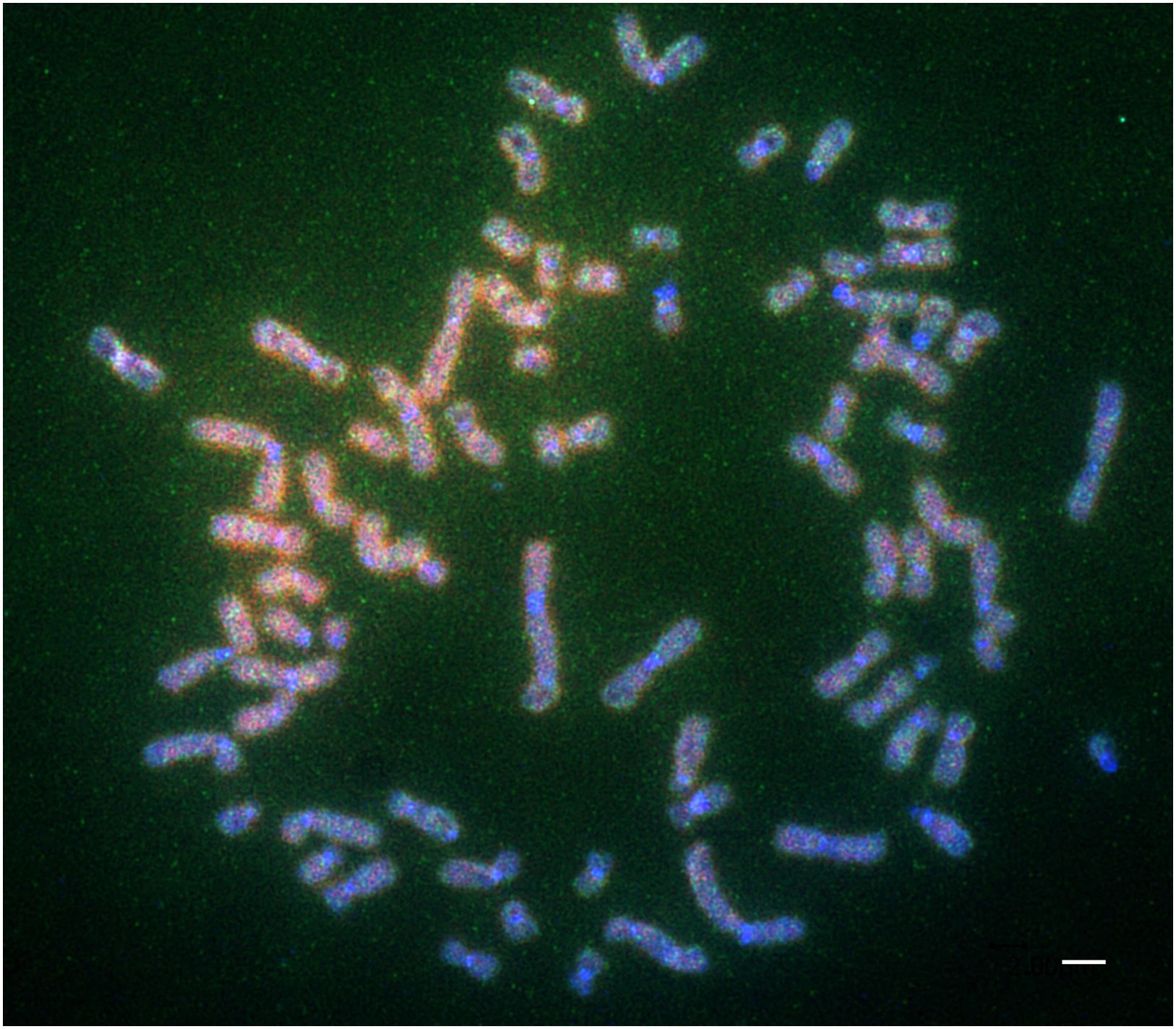
This digest was compiled by AI from multiple sources — links to the originals are below.
A review in Science finds X and Y chromosome genes directly influence cancer, heart disease, neurological decline and aging, independent of sex hormones. The paper synthesizes human, mouse and genomic evidence showing sex chromosomes shape disease risk and therapy response. The findings challenge the long-held view that hormonal differences alone explain sex disparities in health.
Key Facts
- The review appears in the journal Science and is co-led by Dr. Dan Theodorescu of the University of Arizona Cancer Center and Dr. Dena B. Dubal of the University of California, San Francisco.
- Roughly 15 to 30 percent of genes on the inactive human X chromosome escape inactivation, compared with about 3 to 7 percent in mice.
- Mosaic loss of the Y chromosome in men has been associated with cancers, heart disease, severe infections and Alzheimer's disease.
- Mouse studies cited in the review found that animals relying mostly on the maternal X chromosome showed faster brain aging and memory decline.
- Theodorescu's earlier work found that tumors losing the Y chromosome can evade the immune system but may respond better to immunotherapy.
Chromosomal Influence on Disease
The review argues that genes on the X and Y chromosomes act directly inside cells, both alone and alongside hormones, to shape disease risk, progression and response to therapy. Dr. Dan Theodorescu of the University of Arizona Cancer Center and Dr. Dena B. Dubal of the University of California, San Francisco co-led the synthesis of evidence from human studies, mouse models and genomic tools. Theodorescu stated that X and Y chromosomes carry genetic instructions that shape how cells age and how bodies defend against major diseases throughout life.
X-Chromosome Dosage and Aging
In people with two X chromosomes, one X is largely silenced early in development through X-chromosome inactivation, but the silencing is incomplete. Roughly 15 to 30 percent of genes on the inactive human X escape inactivation constitutively, with further variation by gene, cell type, tissue and individual. Some genes on the inactive X can switch back on later in life, giving XX cells extra copies of selected genes. Mouse work cited in the review found that animals whose cells relied mostly on the mother's X showed faster brain aging and memory decline, hinting that imprinting on the X may influence neurologic aging.
Sex Chromosome Loss and Disease
With aging, some cells shed an X or a Y chromosome. In women, loss of an X has been linked to higher leukemia risk, though broader effects remain poorly mapped. In men, mosaic loss of the Y chromosome, most often measured in blood, has been associated with cancers, heart disease, severe infections and Alzheimer's disease. Researchers are treating that loss as both a possible biomarker of biological aging and a potential contributor to disease itself. Theodorescu's earlier work found that tumors that lose the Y chromosome can evade the immune system yet may respond better to immunotherapy.
1 source
Time · lag behind first