
Faster biological aging linked to rising early-onset cancer in younger generations
This digest was compiled by AI from multiple sources — links to the originals are below.
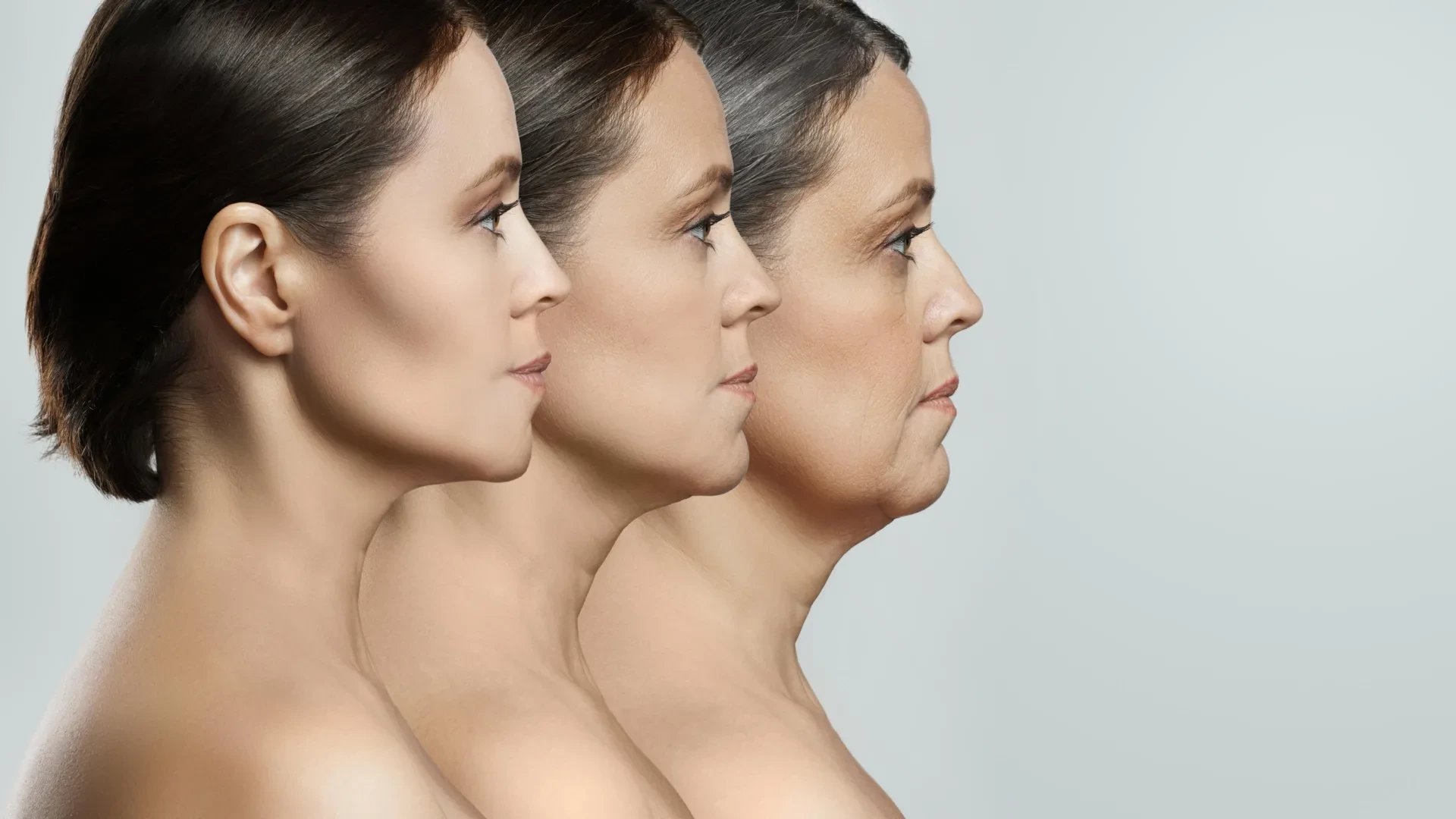
A Washington University study in Nature Medicine finds younger generations are aging faster biologically than older generations did at comparable ages. This accelerated aging is associated with a greater risk of early-onset cancers diagnosed at age 55 or younger. The findings suggest a biological mechanism behind rising cancer rates in younger adults.
Key Facts
- The study was led by researchers at Washington University School of Medicine in St. Louis and published in Nature Medicine.
- Early-onset cancers are generally defined as those diagnosed at age 55 or younger.
- Faster biological aging in specific organ systems was linked to particular cancers: older-appearing immune system with early-onset lung cancer, and older-appearing fat tissue with early-onset colorectal cancer.
- The research involved members of Siteman Cancer Center and the Cancer Grand Challenges initiative, co-founded by the National Cancer Institute and Cancer Research UK.
Biological Age Gap
Chronological age measures years lived, while biological age reflects how old the body appears based on measurable changes in cells, organs, metabolism, and other physiological systems. Cancer risk increased as the difference between biological age and chronological age grew. People from more recent generations tended to have larger gaps than those born earlier, suggesting their bodies appeared biologically older at the same chronological age. That generational shift could help explain at least part of the rise in cancer among younger adults.
Organ-Specific Aging
Aging did not appear to affect every organ system in the same way. Faster aging in specific parts of the body was associated with particular cancers. An immune system that appeared biologically older was linked to early-onset lung cancer. Older-appearing fat tissue was associated with early-onset colorectal cancer.
Prevention Implications
Researchers say measurements of accelerated aging could eventually help doctors identify younger people who face unusually high cancer risks. Such identification could allow prevention or screening to begin earlier. Yin Cao, ScD, a molecular epidemiologist and associate professor of surgery and of medicine at WashU Medicine, said the ultimate goal is to decode how modern environments become biologically embedded to drive cancer risk. Cao added that this could transform prevention from broad recommendations to personalized interventions.
1 source
Time · lag behind first