
Hebrew University study: Cancer super-enhancers cause DNA breaks that fuel mutations
This digest was compiled by AI from multiple sources — links to the originals are below.
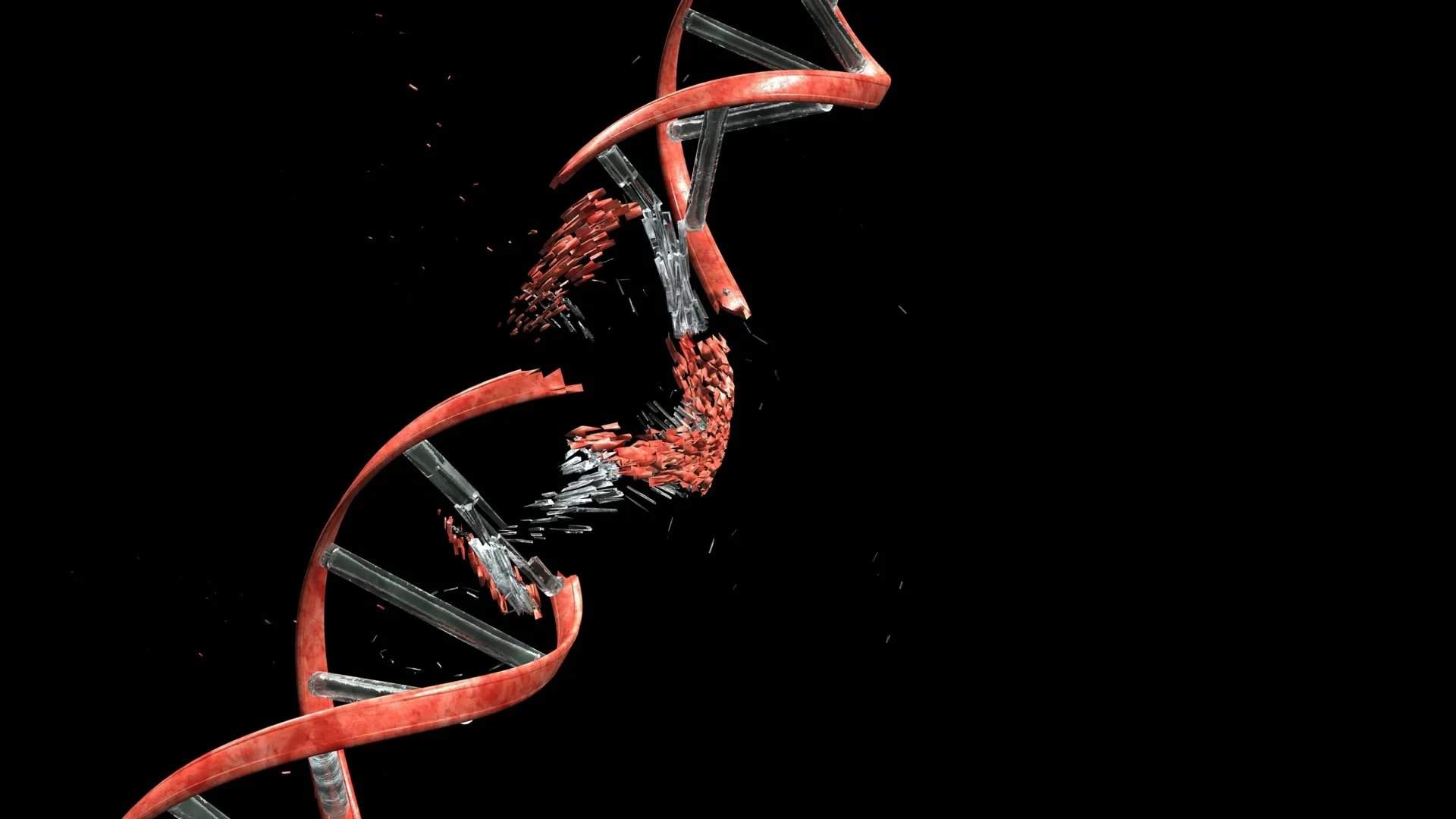
Researchers at the Hebrew University of Jerusalem have found that cancer cells may be damaging their own DNA by driving growth genes to extreme levels, according to a study published August 2 in Science Advances. The study reveals that super-enhancers, powerful regulatory DNA regions, cause double-strand breaks that are repaired with errors, accumulating mutations that may help tumors evolve.
Super-enhancer Stress and DNA Breaks
Ph.D. student Osama Hidmi and Prof. Rami Aqeilan at the Hebrew University used a sensitive genome-mapping method to locate double-strand breaks across the cancer genome. They found that breaks clustered not randomly but inside genes regulated by super-enhancers — long DNA segments that act as powerful volume knobs for gene expression. The continuous, high-intensity transcription required to maintain cancer growth physically stresses the DNA, causing it to snap.
Error-prone Repair and Mutational Burden
Cancer cells typically repair these breaks, but the repair machinery is not flawless. Each repair cycle risks introducing small errors, and over successive break-repair rounds, mutations accumulate in the very genes that are hyperactive. This process may explain how tumors gain genetic diversity, enabling them to resist therapies and metastasize.
Therapeutic Implications
The discovery points to a potential vulnerability: the same mechanism that fuels cancer's adaptability also creates a genomic Achilles' heel. If researchers can selectively disrupt the repair of super-enhancer-associated breaks, they might cripple cancer cells without affecting normal cells. Early-stage experiments are planned to test this concept.
1 source
Time · lag behind first