
Cells of the same chronological age follow different biological aging paths, Hebrew University study finds
This digest was compiled by AI from multiple sources — links to the originals are below.
A study published in Nature Communications reveals that cells of the same chronological age can follow sharply different biological aging paths, with some aging much faster than their neighbors, researchers from the Hebrew University of Jerusalem reported. The findings, based on single-cell DNA methylation analysis, show that tissues become mosaics of biologically younger and older cells, challenging the assumption that aging is uniform.
Single-cell aging measurement
The researchers, led by Dr. Hagit Masika under Prof. Howard Cedar and Prof. Tommy Kaplan at Hebrew University, in collaboration with Prof. Wolf Reik of Altos Labs and the Babraham Institute, analyzed DNA methylation—a reliable aging indicator—in individual cells across multiple mouse and human tissues. Instead of averaging signals from millions of cells, they examined cells one by one, uncovering stark heterogeneity. Cells sitting side by side often displayed widely different biological ages, revealing that aging is not a synchronized tissue-level process.
Accelerated aging subset
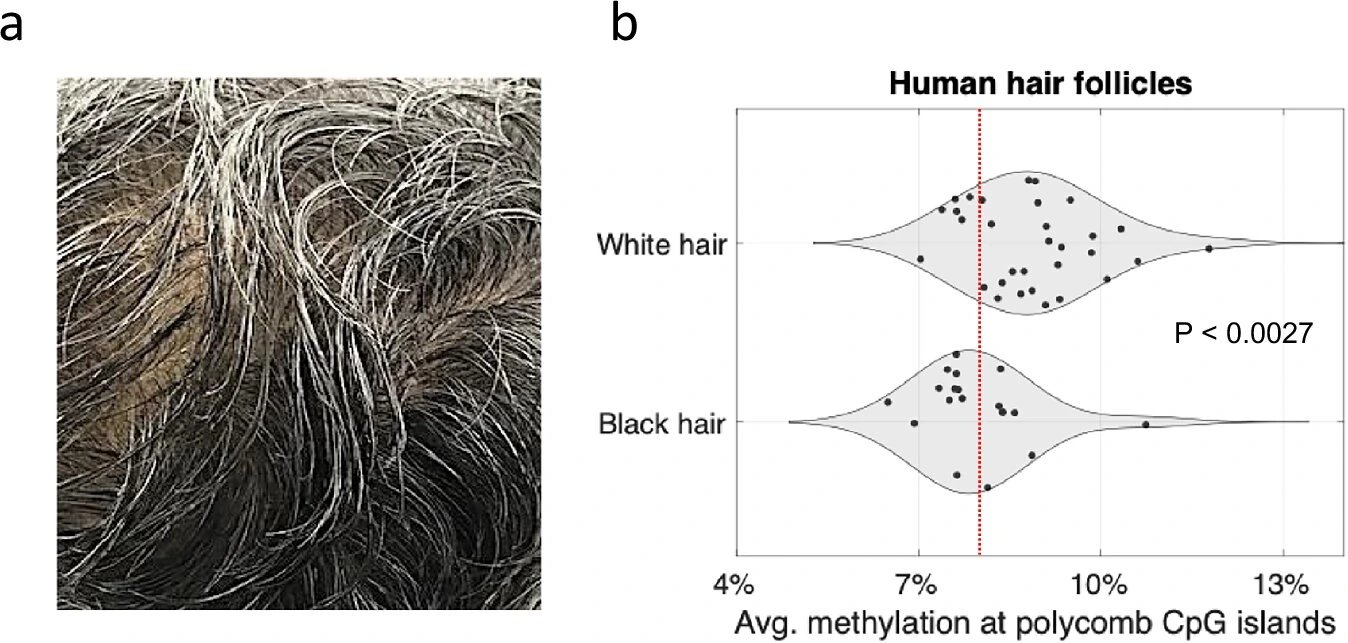
The study found that while most cells age slowly, a small population races ahead, accumulating age-related molecular changes rapidly. Rapidly dividing cells were more likely to enter this fast-aging state. This creates a mosaic where tissues contain both biologically younger and older cells, explaining the increasing variability between cells that is a recognized hallmark of aging.
Disease implications
The discovery provides a new framework for understanding why diseases such as cancer and neurodegeneration often originate in only a small number of cells. By showing that a subset of cells can biologically outpace their neighbors, the study suggests that early disease triggers may be linked to this accelerated aging. The work appears in Nature Communications.
1 source
Time · lag behind first