
Afghanistan and Iran align rail diplomacy to extend China-linked corridor
This digest was compiled by AI from multiple sources — links to the originals are below.
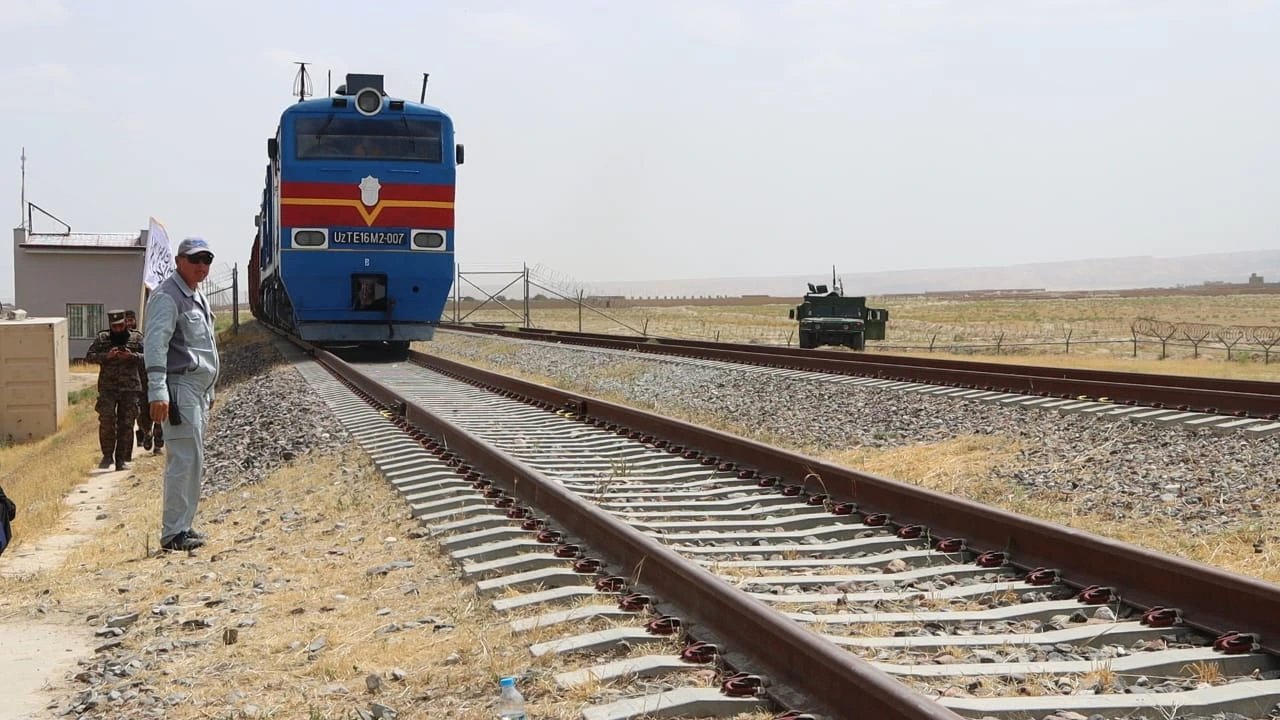
Afghanistan and Iran are advancing joint railway projects, including the Herat–Mazar-i-Sharif line, to integrate Afghanistan into Eurasian overland routes. The two countries discussed technical specifications and financing in Tehran in June 2026. The corridor is designed to connect Iran and Türkiye with Central Asia and China, reducing reliance on maritime shipping.
Key Facts
- The Herat–Mazar-i-Sharif railway is estimated to cost $780 million.
- The Five Nations Railway Corridor is approximately 2,100 km long and extends to Kashgar in China.
- Iranian companies will construct the railway in exchange for participation in developing Afghanistan's mineral resources.
- Ankara signed an agreement on joint construction of the railway to Mazar-i-Sharif in Istanbul in October 2025.
Railway Project Details
In June 2026, an Afghan delegation led by Deputy Minister for Railways Mawlavi Mohammad Ishaq Sahibzada visited Iran to discuss transport logistics infrastructure projects. The parties discussed technical specifications, standards, financing mechanisms, and stages of project implementation for the Herat–Mazar-i-Sharif railway. Afghan commercial banks indicated willingness to invest in the new railway line connecting Balkh and Herat provinces. The project is estimated to cost $780 million. Iranian companies will undertake construction of the infrastructure facility in exchange for participating in the development of Afghanistan's mineral resources.
Corridor Integration
The Herat–Mazar-i-Sharif transport line will serve as an extension of the cross-border trade route originating in the Iranian city of Khaf. It will be a key component of the Afghan section of the Five Nations Railway Corridor, which is approximately 2,100 km long. The corridor extends to Kashgar in China and utilizes a uniform 1,435 mm standard gauge. It crosses the borders of Tajikistan and Kyrgyzstan. In a global context, this will create a more competitive continental East-West Corridor, with Afghanistan and its northern neighbors playing a pivotal connecting role.
Strategic Motivations
The strategic importance of the Herat–Mazar-i-Sharif railway project is determined by its potential to connect Iran and Türkiye with Central Asian republics and China via Afghanistan. Ankara is a third party to the agreement on joint construction of a railway to Mazar-i-Sharif, signed in Istanbul during the 36th regional meeting of the International Union of Railways in October 2025. In light of the Strait of Hormuz crisis triggered by the military standoff with the U.S., Tehran considers it critical to establish additional transport routes to China, one of its largest trading partners. Beijing is interested in both the Iranian market and the Islamic Republic's extensive transit capabilities. China is providing practical support within the framework of its Belt and Road Initiative, diversifying east-west logistics routes via Central Asia to minimize risks of uncertainty in maritime shipping.
1 source
Time · lag behind first