
China launches rail corridor through Central Asia to Iran
This digest was compiled by AI from multiple sources — links to the originals are below.
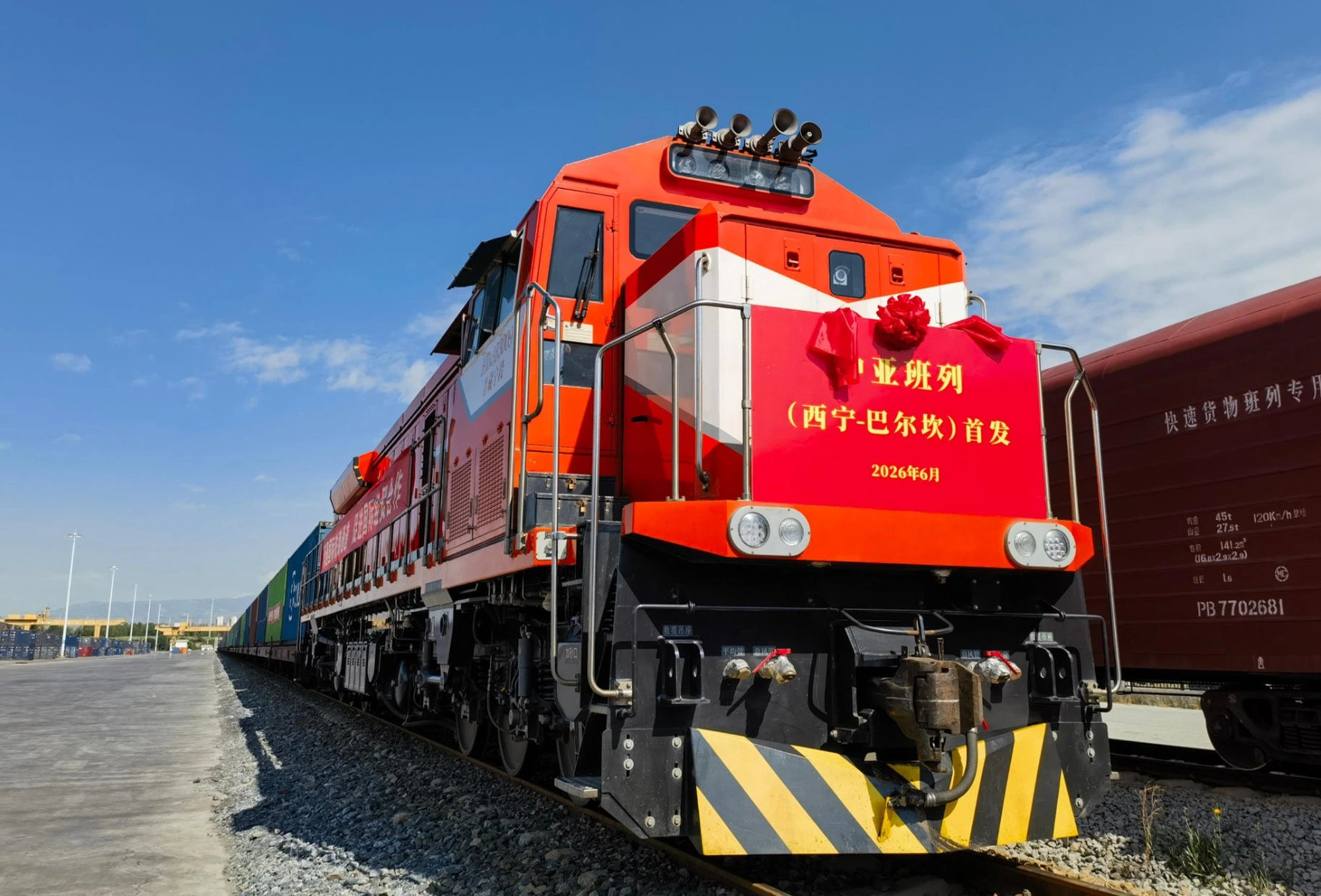
A 55-car block train from China crossed into Kazakhstan on September 7, bound for Iran via Uzbekistan and Turkmenistan. Uzbek rail officials said the shipment confirms the China-Central Asia-Iran transport corridor, a workaround for seaborne trade disrupted by the US-Iran conflict. The cargo's composition remains uncertain, leaving open the possibility of dual-use goods.
Key Facts
- The block train consists of 55 container cars and crossed from Xinjiang into Kazakhstan on September 7.
- The train will pass through Uzbekistan and Turkmenistan before completing the 6,000-kilometer journey around September 21.
- Uzbekistan's freight rail operator said the shipment confirms the China-Central Asia-Iran transport corridor.
- Reuters reported on September 10 that Chinese and Iranian officials have schemed to create a sanctions-busting barter system valued at $2-$2.5 billion.
The Rail Shipment
The block train, consisting of 55 container cars, crossed from China's western Xinjiang Province into Kazakhstan on September 7. It will pass through Uzbekistan and Turkmenistan before completing the 6,000-kilometer journey on or about September 21. Uzbekistan's freight rail operator stated that the shipment confirms 'the practical effectiveness of the China-Central Asia-Iran transport corridor.' The train's cargo is described as components for passenger cars, consumer goods, and other consolidated cargo.
Sanctions Evasion Context
The corridor provides a workaround for Chinese-Iranian trade that circumvents seaborne shipments, which have been paralyzed by the ongoing US-Iran conflict. A US government commission determined that China has become the decisive external enabler of Russia's war in Ukraine, with dual-use goods from China and Hong Kong keeping Russia's weapons programs running. Reuters reported on September 10 that Chinese and Iranian officials have schemed to create a sanctions-busting barter system to facilitate Iranian oil exports in return for Chinese goods, including medicine, vehicles, military gear, and air-defense equipment. The total value of that trade is estimated at $2-$2.5 billion.
1 source
Time · lag behind first