
Scientists deploy underwater speakers and probiotics to rescue coral reefs amid record El Niño
This digest was compiled by AI from multiple sources — links to the originals are below.
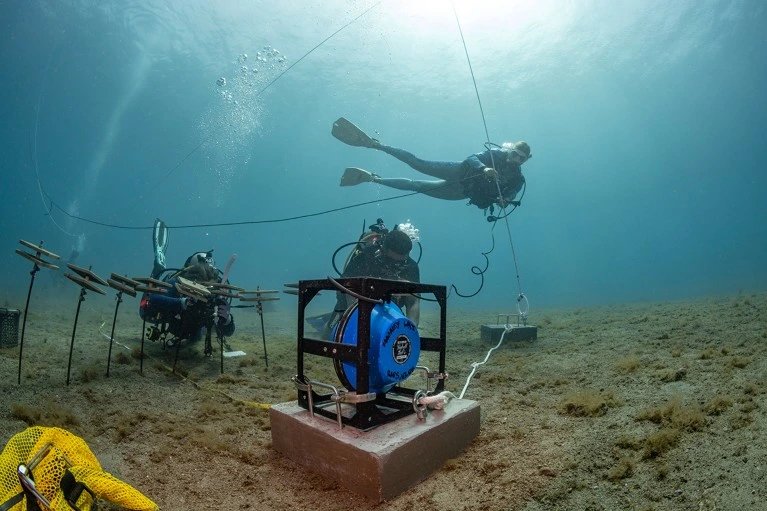
Researchers at Woods Hole Oceanographic Institution are using underwater speakers to lure coral larvae to degraded reefs in the Caribbean. The project is one of several emergency measures, including moving corals to cooler water and inoculating reefs with protective microorganisms. The efforts come as record ocean temperatures driven by climate change and a super El Niño trigger widespread coral bleaching.
Key Facts
- As of late August, coral bleaching had been observed in corals around Florida, the Pacific coast of Panama, and Kiribati in the Central Pacific.
- The Coral Reef Watch of the US National Oceanic and Atmospheric Administration found that large swathes of the oceans had reached temperatures placing corals at risk of bleaching and heat mortality.
- Temperatures are expected to rise even further in 2027 as the El Niño reaches its full strength, raising risks for corals.
- This year's bleaching event comes less than a year after the last global one ended in 2025.
Acoustic Restoration
Underwater speakers at several locations in the Caribbean are playing sounds recorded at vibrant reefs, including clicks of snapping prawn and the thrum of fish. The project, run by researchers at the Woods Hole Oceanographic Institution in Massachusetts, relies on the discovery that coral larvae can sense sound and use it as a cue while searching for a permanent home. Aran Mooney, a marine bioacoustician at WHOI who leads the project, said healthy reefs are naturally broadcasting sound all over the place. The hope is that these sea songs will lure floating coral larvae into settling on the degraded reefs and help them recover.
Emergency Measures
In addition to playing lullabies to restore damaged reefs, researchers are moving corals from shallow locations to deeper, cooler water and inoculating reefs with protective microorganisms. Amy Apprill, a marine geochemist who leads WHOI's coral-restoration team, compared the situation to having COVID, also getting the flu, and at the same time being stressed about your job. Coral reefs can recover from bleaching and their ability to bounce back has often surprised scientists, but recovery takes time.
1 source
Time · lag behind first