
Coral cilia gasping for oxygen may fail as oceans warm
This digest was compiled by AI from multiple sources — links to the originals are below.
New research shows that hairlike cilia on coral surfaces generate vortices to circulate oxygen, but in warmer water they beat faster and can suffocate the polyps. A May 2026 study in Science reveals how these cilia malfunction above a temperature threshold, potentially explaining bleaching patterns. Scientists are now studying cilia as a direct signal of coral health.
Key Facts
- A study published in Science in May 2026 shows that coral cilia generate vortices to circulate oxygen, but above a temperature threshold their beating consumes more oxygen than it delivers.
- Warmer water carries less oxygen, prompting corals to beat their cilia faster, which can lead to suffocation of polyps.
- Rachel Alderdice, a marine biologist at the University of Konstanz, said cilia may serve as a more direct signal of coral health than symbiotic algae.
- Scientists from biophysics, marine biology, mathematics, and modeling are collaborating to understand how cilia dynamics correlate with bleaching patterns, coral disease, and mass die-offs.
Cilia Oxygen Mechanism
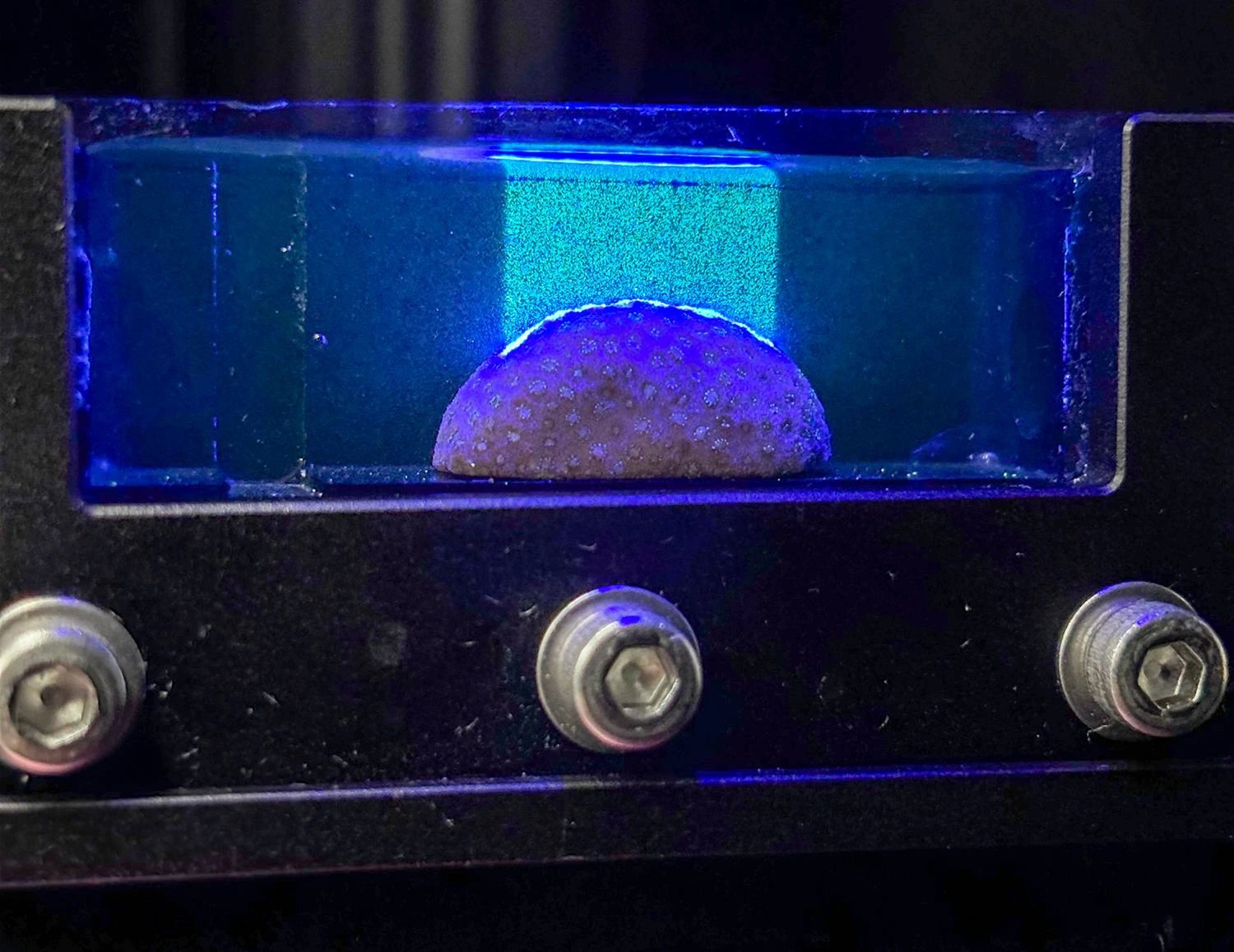
During the day, coral polyps receive oxygen from symbiotic algae that photosynthesize within their tissues. At night, photosynthesis stops, and the polyps rely solely on oxygen from the surrounding water. Cilia on the coral surface wave to generate fast-moving vortices that circulate oxygen to outer tissues and keep colonies free of sediment. The mechanisms by which organisms without a brain or musculoskeletal system generate and regulate this process are still being studied.
Warming Water Effects
Warmer water naturally carries less oxygen, causing corals to move their cilia faster, as if gasping for breath. Above a certain temperature, the system works against itself: the furious beating of cilia uses up any oxygen the coral's tissues can absorb. Polyps can then suffocate in the less oxygenated water. This dynamic picture is relatively new to scientists, who have long used symbiotic algal partners as indicators of coral health.
Research Collaboration
Biophysicists, marine biologists, mathematicians, and modelers are collaborating to understand the physiological and hydrodynamic forces at work. They aim to correlate cilia dynamics with bleaching patterns, coral disease, and mass die-offs. Rachel Alderdice, a marine biologist at the University of Konstanz, noted that finer details like cilia could help explain why some corals bleach and others do not, even when they sit side by side.
1 source
Time · lag behind first