
Indian Ocean temperatures key to Mediterranean winter extremes, study finds
This digest was compiled by AI from multiple sources — links to the originals are below.
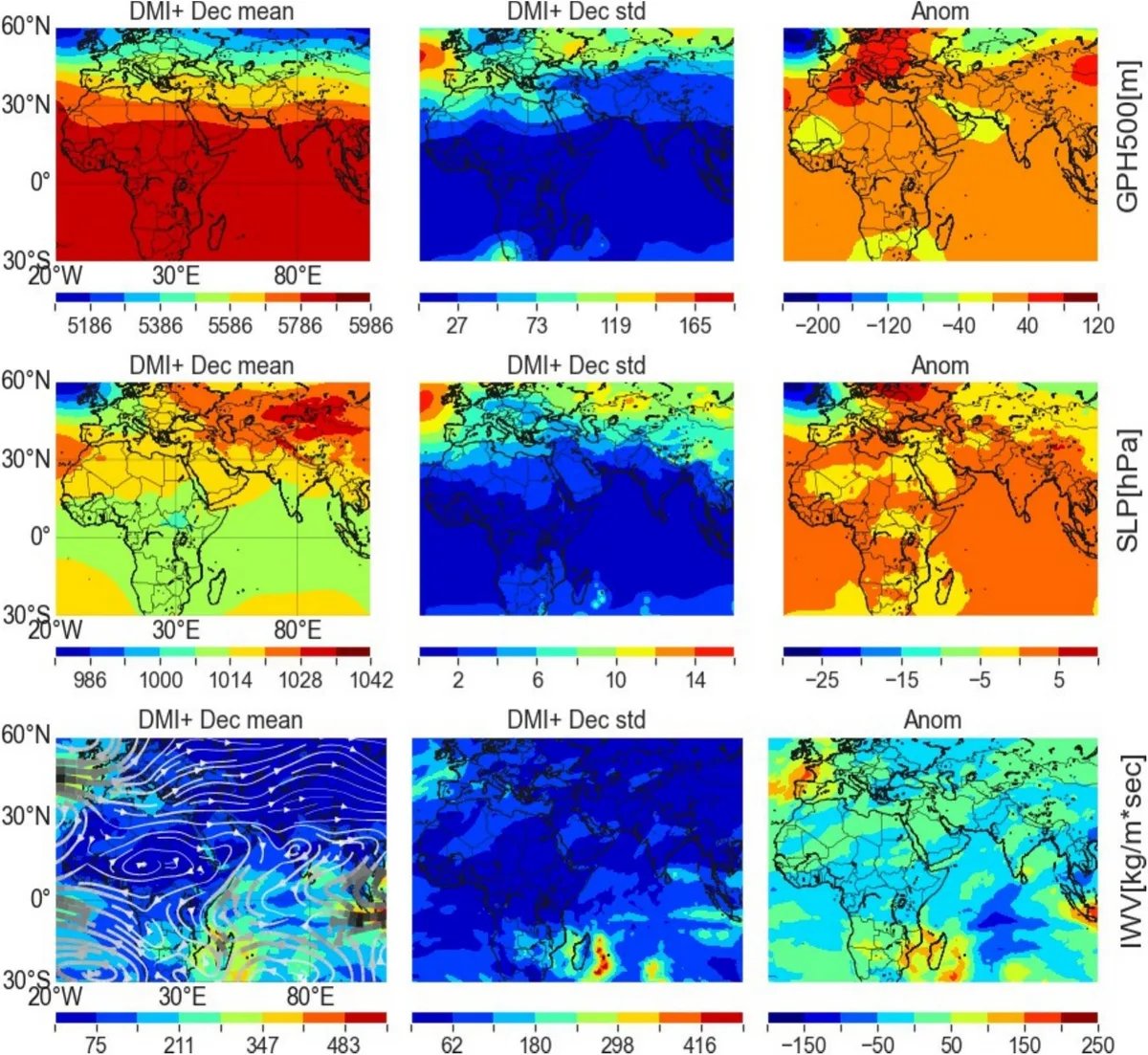
A new study finds that Indian Ocean temperature patterns significantly influence winter weather in the Eastern Mediterranean, offering months-ahead prediction of dry spells. The research highlights the Indian Ocean's role alongside the Pacific El Niño in driving regional climate extremes.
The Study
Researchers analyzed decades of climate data and found that Indian Ocean sea surface temperature anomalies correlate with winter precipitation patterns in the Eastern Mediterranean. The study, published in a peer-reviewed journal, identifies specific oceanic indices that precede dry winters by up to six months. Lead author Dr. Maria Papadopoulos of the University of Athens stated that the Indian Ocean dipole phase is a stronger predictor than the El Niño-Southern Oscillation for this region.
Regional Impact
The Eastern Mediterranean, including countries like Greece, Turkey, and Cyprus, has experienced increasingly severe droughts in recent years. The new predictive capability could help agricultural planners and water resource managers prepare for dry spells. The study notes that a 1°C warming in the western Indian Ocean corresponds to a 15% reduction in winter rainfall in parts of Greece.
1 source
Time · lag behind first