
Newly found Gobi Desert fossil overturns 40-year view of early mammal evolution
This digest was compiled by AI from multiple sources — links to the originals are below.
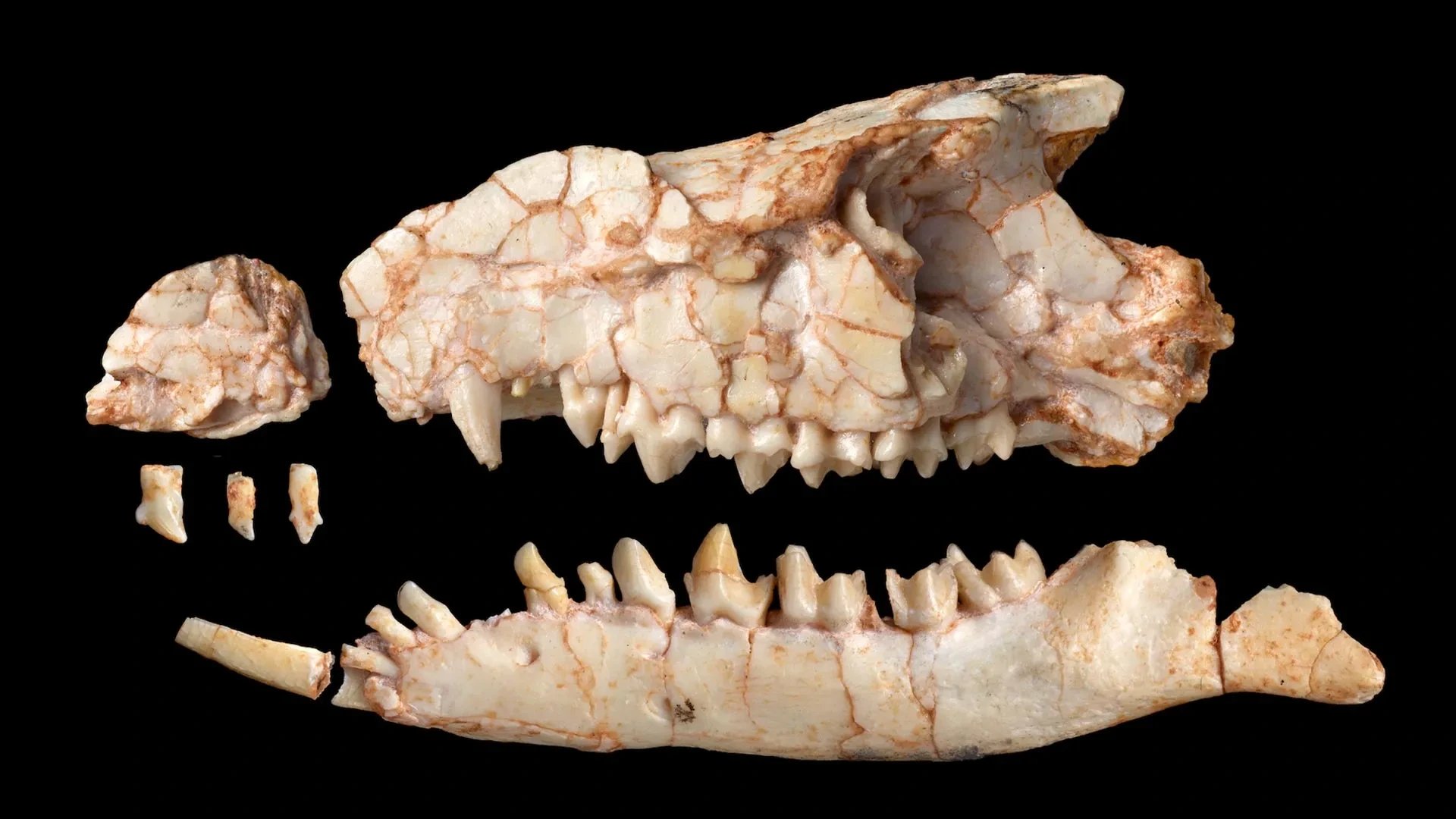
A remarkably complete fossil discovered in Mongolia's Gobi Desert has led scientists to overturn a nearly 40-year-old interpretation of an extinct mammal group called zhelestids. The new species, Tamirkhan balcarceli, described in Nature, shows zhelestids were not closely related to placental mammals as previously thought. The finding challenges molecular clock models that suggested placental mammals originated before the end of the Cretaceous.
Key Facts
- The new species, Tamirkhan balcarceli, was discovered in the eastern Gobi Desert and is the most complete zhelestid specimen found so far.
- The fossil was found in 2004 by Andres Giallombardo, then a graduate student on a Museum-sponsored expedition.
- The study was published in the journal Nature by researchers from the American Museum of Natural History, Stony Brook University, University of Arizona, and Arcadia University.
- Zhelestids have been known to paleontologists for nearly 40 years, but most discoveries consisted of isolated teeth or incomplete remains.
- The new fossil suggests zhelestids belonged to a very different branch of early mammals, overturning an interpretation based largely on fossil teeth.
Fossil Discovery
The new species, Tamirkhan balcarceli, was discovered in the eastern Gobi Desert and is the most complete zhelestid specimen found so far. Andres Giallombardo found the specimen as a graduate student on a Museum-sponsored expedition in 2004. The study was published in the journal Nature by researchers from the American Museum of Natural History, Stony Brook University, University of Arizona, and Arcadia University. Giallombardo described the find as "the thrill of a career" and noted that the Gobi Desert continues to change science.
Anatomical Evidence
Tamirkhan has the low, rounded teeth associated with zhelestids, but also possesses long, continuously growing incisors and several distinctive skull features seen in zalambdalestoids, a group of small, shrew-like insectivore mammals. Its limbs provide another important clue, though the source does not detail the specific limb features. The nearly complete skeleton allows scientists to see what members of this mysterious group actually looked like. The combination of zhelestid teeth with zalambdalestoid skull features suggests a different evolutionary placement than previously thought.
Scientific Debate
For decades, many scientists thought zhelestids were closely related to modern placental mammals, based largely on fossil teeth. Their teeth were unusually specialized for eating plants compared with the sharper teeth used for eating insects that are common among many Cretaceous mammals. Those features led some paleontologists to propose that zhelestids represented an unknown group of hoofed mammals. Scientists also debated whether they might have been placental mammals living during the Cretaceous, part of the broad group that today includes humans and most living mammal species, or whether they were part of a separate lineage that independently evolved similar characteristics. Molecular clock studies have supported the possibility that placental mammals originated well before the end of the Cretaceous, but the new fossil provides physical evidence pointing in another direction.
1 source
Time · lag behind first