
Gobi fossil reveals 6-inch 'Cretaceous rabbit' belonged to a different mammal branch
This digest was compiled by AI from multiple sources — links to the originals are below.
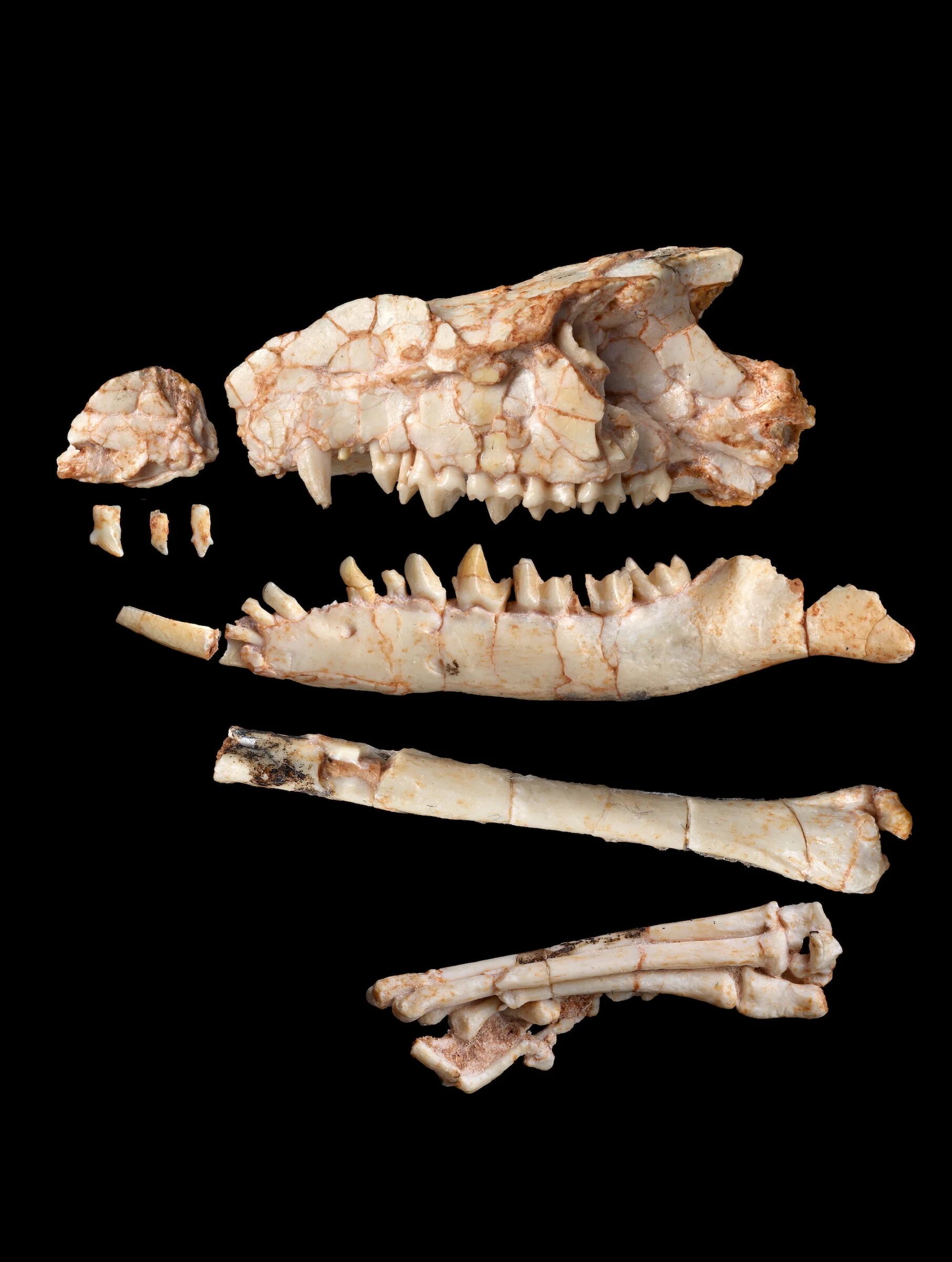
A remarkably preserved 6-inch mammal fossil from Mongolia's Gobi Desert, described in Nature, reveals that zhelestids were not early placental mammals but a separate branch, rewriting their evolutionary history. The new species, Tamirkhan balcarceli, shows that teeth had misled scientists for decades, as the skeleton bears key features of the zalambdalestoid group rather than placentals. The discovery, made by a team including the American Museum of Natural History, challenges molecular models that suggested placental origins in the Cretaceous.
The Tamirkhan Fossil
The holotype of Tamirkhan balcarceli was unearthed in 2004 during an American Museum of Natural History expedition to the eastern Gobi Desert in Mongolia. Lead author Andres Giallombardo found the specimen as a graduate student. The fossil, dating to the Cretaceous period, measures roughly 6 inches long and is the most complete zhelestid skeleton ever discovered. Its exceptional preservation includes skull, teeth, and postcranial bones, offering an unprecedented view of the animal's anatomy.
Teeth vs. Skeleton
For nearly 40 years, zhelestids were identified primarily from isolated teeth that appeared specialized for herbivory, leading researchers to link them to hoofed mammals. The teeth of Tamirkhan are similarly low and rounded, yet the skeleton reveals long, ever-growing incisors and distinctive skull traits characteristic of zalambdalestoids, a group of small, shrew-like insectivorous mammals. Paleontologist Shawn Zack of the University of Arizona noted that Tamirkhan's hind legs are long and slender with unmistakable zalambdalestoid ankles. This mismatch between dental and skeletal evidence explains why earlier interpretations were flawed.
Placental Origins Reconsidered
Since molecular clock studies suggest placental mammals originated during the Cretaceous, many paleontologists sought Cretaceous placental fossils and zhelestids were prime candidates. The new evidence places zhelestids firmly outside placentals, instead aligning them with the zalambdalestoid branch. Study co-author Paul Velazco of Arcadia University emphasized that fossils provide critical tests for molecular predictions. The finding does not rule out Cretaceous placentals entirely, but removes zhelestids from the list of potential early placental relatives.
1 source
Time · lag behind first