
NASA Bennu samples show mix of inner and outer Solar System materials
This digest was compiled by AI from multiple sources — links to the originals are below.
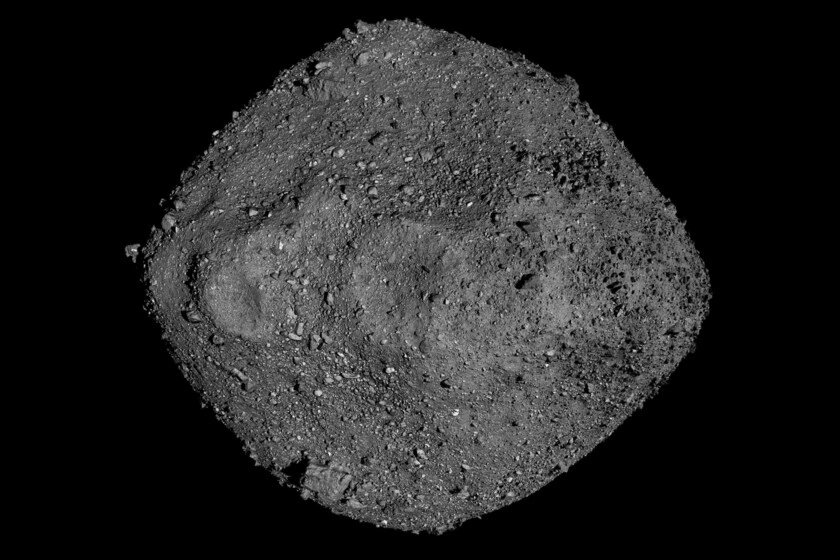
NASA scientists analyzing samples from asteroid Bennu found the asteroid contains materials from both the inner and outer Solar System. The discovery, made with European collaborators, suggests Jupiter's early gravity mixed fine dust from both regions. The findings may help explain how Earth obtained its water.
Key Facts
- OSIRIS-REx delivered 121.6 grams of Bennu regolith to Earth in September 2023.
- The study authors had access to only half a gram of the sample.
- Bennu contains rocks with traces of past water flow, indicating origin beyond the snow line.
- Bennu also contains dust matching material from the innermost Solar System.
- Jupiter's early gravitational influence may have mixed fine dust from inner and outer regions.
Sample Composition
Analysis of Bennu samples revealed two distinct material types. Some rocks show traces indicating water once flowed over them, suggesting origin beyond the snow line in the outer Solar System. Other dust matches material found in the innermost part of the Solar System. The coexistence of these materials makes Bennu a 'Frankenstein' asteroid, according to the researchers.
Jupiter's Role
Jupiter was the first planet to form in the Solar System, positioned between the inner and outer regions. Its early gravitational effect may have mixed fine dust from both regions while blocking coarser particles. This mixing could explain how Bennu acquired materials from such distant zones.
Implications for Earth
Earth and other rocky planets formed in the dry zone between the Sun and the snow line. The water that supports life on Earth must have come from elsewhere. The Bennu findings suggest Earth may also be a 'Frankenstein' planet assembled from mixed materials.
1 source
Time · lag behind first