
Bennu samples reveal asteroid formed from dust across the solar system
This digest was compiled by AI from multiple sources — links to the originals are below.
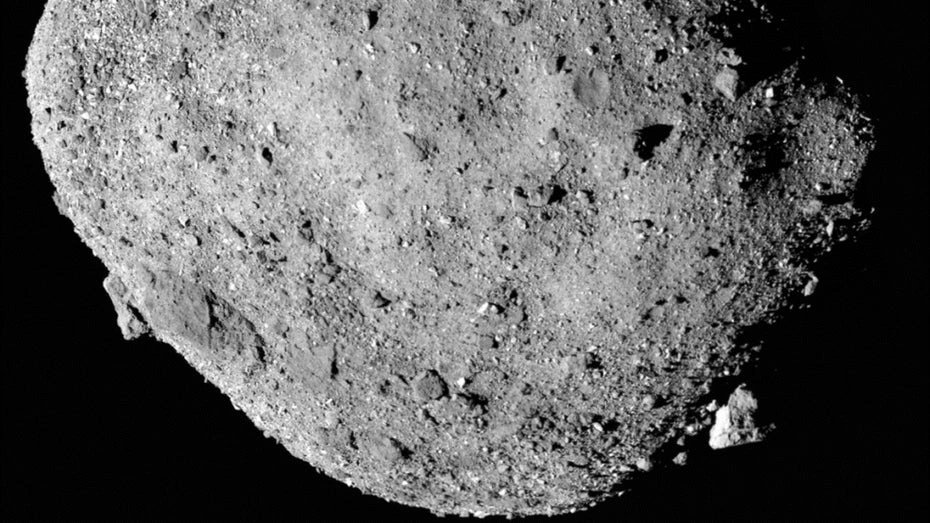
A study published in Science Advances finds that asteroid Bennu's dust contains isotopic signatures from both the inner and outer solar system. The analysis of samples collected by NASA's OSIRIS-REx mission challenges previous assumptions about Bennu's formation location. The findings suggest Bennu's parent body formed from a dust reservoir that mixed material from across the early solar system.
Key Facts
- NASA's OSIRIS-REx mission collected 121.6 grams of material from asteroid Bennu in October 2020 and returned it to Earth in September 2023.
- A team led by Maria Schönbächler of ETH Zurich received half a gram of the Bennu samples for laboratory analysis.
- The study was published in the journal Science Advances.
- Bennu is a C-type asteroid, a group that makes up about 75 percent of known main-belt asteroids.
- The nucleosynthetic isotope signatures of Bennu closely match those of asteroid Ryugu and CI meteorites.
Isotope Analysis
Researchers examined different forms of iron, titanium, and chromium atoms in the fine dust. These isotopes have slightly different masses and their specific ratios indicate the rock's place of origin. The team found that Bennu's nucleosynthetic signatures strongly match those of asteroid Ryugu and CI meteorites. This suggests the parent bodies of these objects formed from the same dust reservoir in the early solar system.
Jupiter as Cosmic Filter
The dust contained chemical signatures from both the inner and outer solar system. This mixing challenges previous assumptions that Bennu formed far from the Sun. New explanatory models for the distribution of matter in the early solar system are now required.
1 source
Time · lag behind first