
UN warns 45 million face food shortages from Hormuz blockade
This digest was compiled by AI from multiple sources — links to the originals are below.
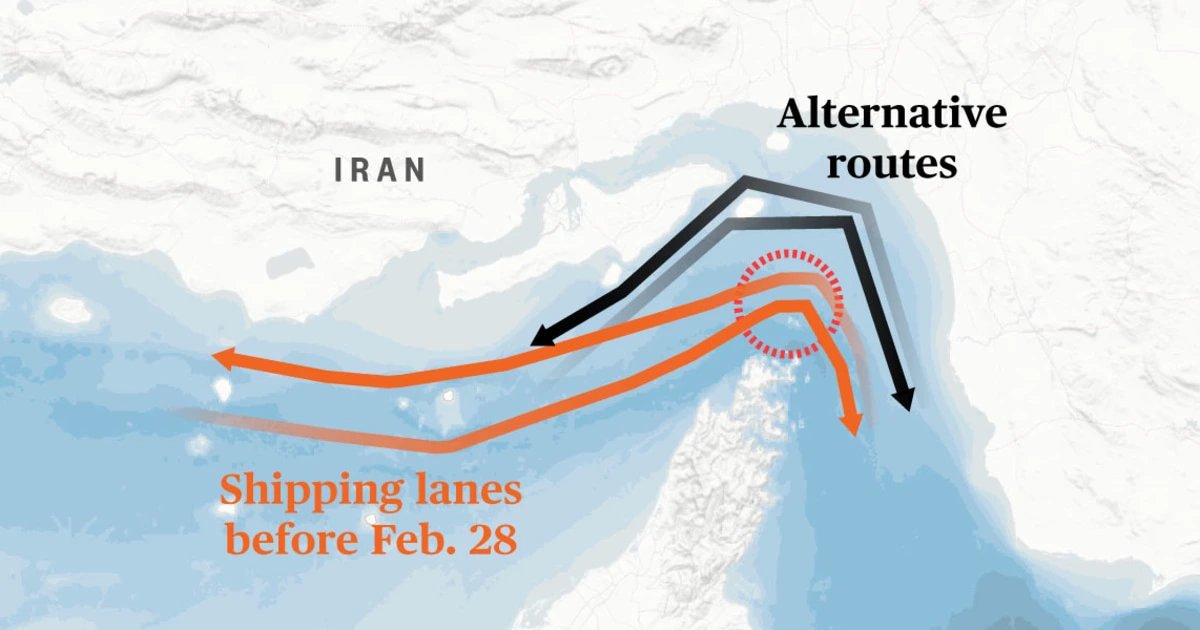
At least 45 million people in developing countries risk food shortages due to the blockade of the Strait of Hormuz, UN official Jorge Moreira da Silva told NHK. He said the crisis could be averted if 5-7 fertilizer vessels are allowed through daily.
Key Facts
- At least 45 million people in developing countries risk food shortages due to the blockade of the Strait of Hormuz.
- UN official Jorge Moreira da Silva told NHK that allowing 5-7 fertilizer vessels through daily would prevent famine.
- Moreira da Silva previously led the UN group for humanitarian shipments through the strait.
UN Warning
Jorge Moreira da Silva, director of the UN Office for Project Services, gave the estimate in an interview with NHK. He previously headed the group for humanitarian shipments through the Strait of Hormuz. The blockade would not trigger famine if at least 5-7 vessels carrying fertilizers are allowed through daily. "For developing countries, this will be the decisive factor: they will either ensure food security or face a humanitarian crisis," da Silva warned.
Fertilizer Shipments
The UN official stressed that the passage of fertilizer vessels is critical for food production in developing nations. A daily allowance of 5-7 such vessels would be sufficient to avert the crisis, according to da Silva. The Strait of Hormuz is a key maritime route for global fertilizer trade.
2 sources
Time · lag behind first