
Iran refuses to reopen Hormuz while Trump and Netanyahu remain in power
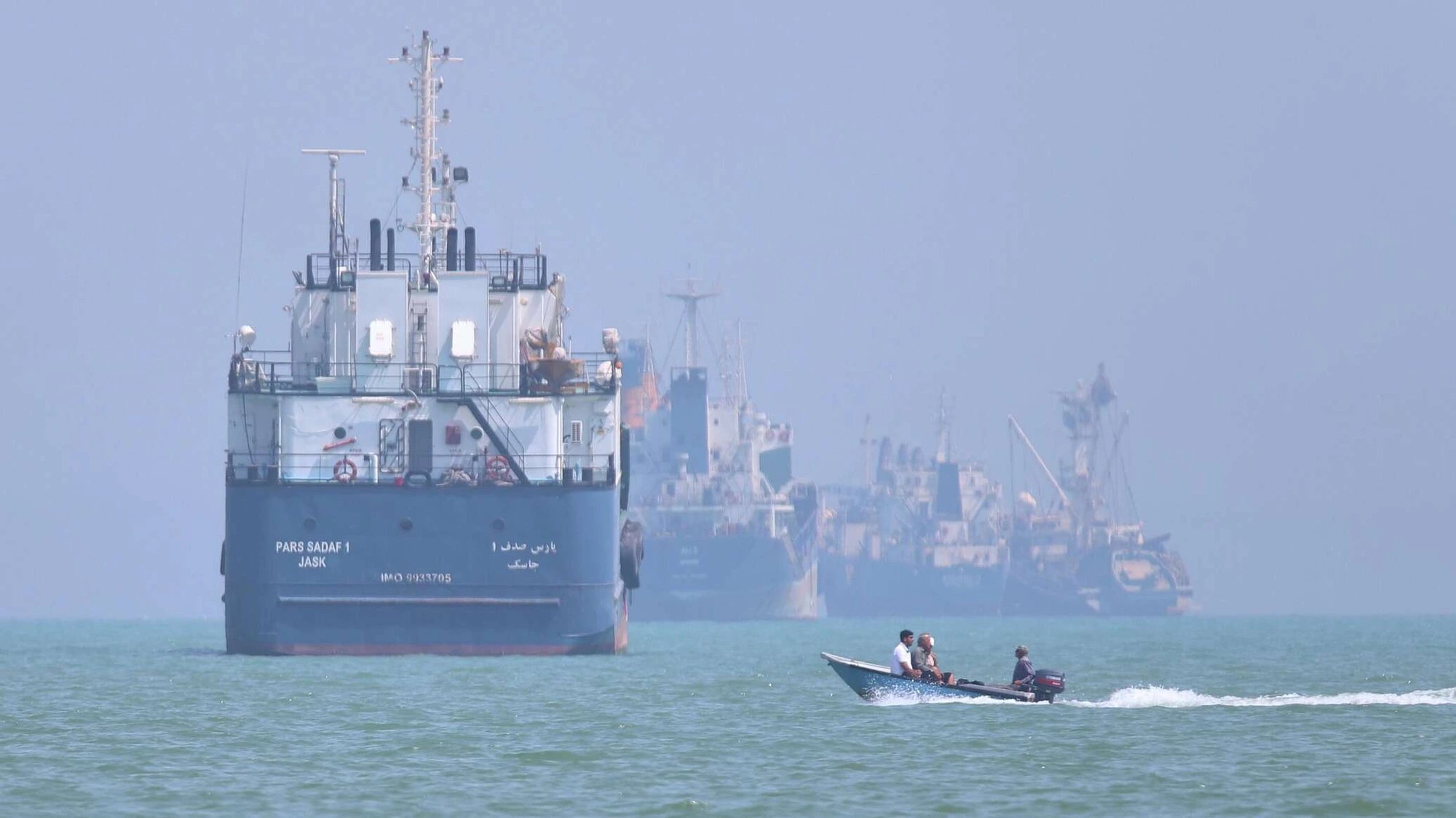
This digest was compiled by AI from multiple sources — links to the originals are below.
Iran will not reopen the Strait of Hormuz until U.S. President Donald Trump and Israeli Prime Minister Benjamin Netanyahu are removed from power, said Mohammad-Bagher Zolghadr, political adviser to Iran's supreme leader. Shipping through the strait has nearly halted amid the escalating conflict, driving fuel prices higher in most countries.
Key Facts
- Mohammad-Bagher Zolghadr, political adviser to Iran's supreme leader, said Iranian soldiers will not open the Strait of Hormuz until Trump and Netanyahu are removed from power.
- The U.S. and Israel began striking targets in Iran on February 28, and Iran responded with its own strikes.
- Tehran and Washington signed a ceasefire memorandum in mid-June, but later exchanged strikes again.
- Shipping through the Strait of Hormuz has nearly stopped due to the conflict escalation.
- Fuel prices have risen in most countries as a result of the disruption.
Iran's Position
Mohammad-Bagher Zolghadr, political adviser to Iran's supreme leader, stated that Iranian soldiers will not open the Strait of Hormuz until Trump and Netanyahu are removed from power. He described this as the first stage of the Iranian people's revenge, according to the Iranian agency ISNA.
Conflict Timeline
The U.S. and Israel began striking targets in Iran on February 28, and Iran responded with its own strikes. Tehran and Washington signed a ceasefire memorandum in mid-June, but later exchanged strikes again. The conflict remains unresolved at present.
Economic Impact
Shipping through the Strait of Hormuz has nearly stopped due to the conflict escalation. The strait is a key route for global supplies of oil, petroleum products, and liquefied natural gas. Fuel prices have risen in most countries as a result.
1 source
Time · lag behind first