Global goods trade rises 12.5% on higher prices amid Hormuz disruption
This digest was compiled by AI from multiple sources — links to the originals are below.
Global goods trade reached $13.7 trillion in the first half of 2026, up 12.5% year-on-year, driven by higher prices rather than volume growth, according to a UNCTAD report. The increase was fueled by energy cost spikes following disruptions in the Strait of Hormuz. Services trade rose 10.5% over the same period.
Price-Driven Growth
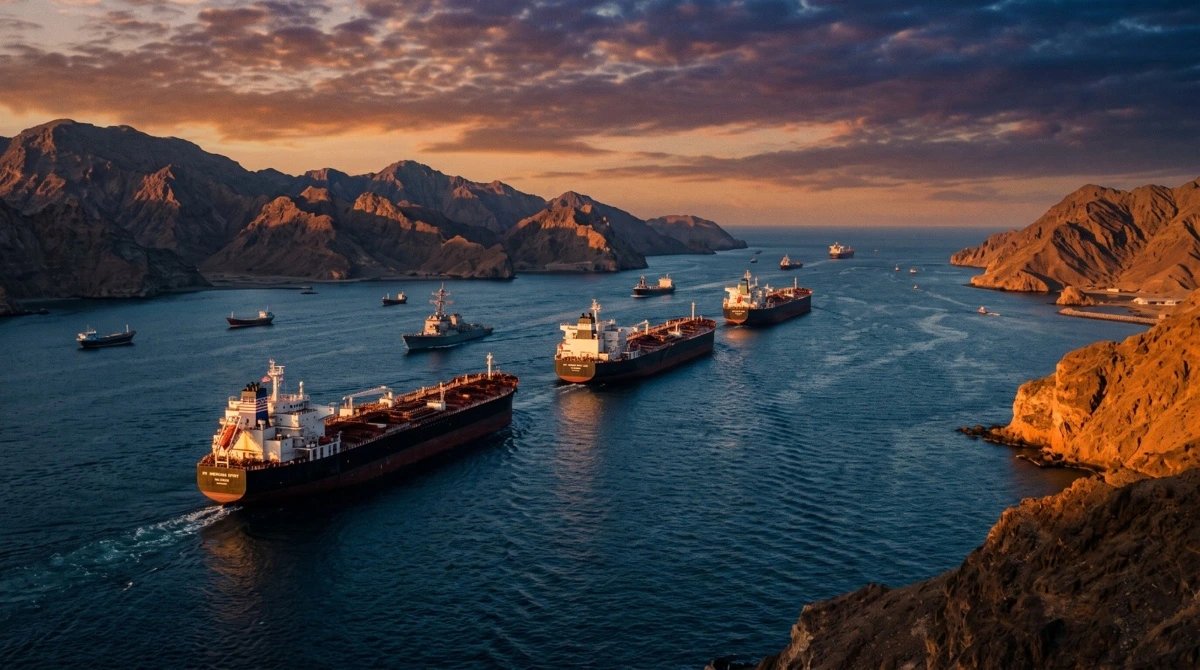
UNCTAD's report attributes most of the 12.5% increase in goods trade to higher prices, not higher volumes. Energy trade in oil, gas and coal rose in monetary terms primarily due to cost increases. Shipping disruptions through the Strait of Hormuz and supply fears pushed up energy, transport, logistics and production costs. Commodity prices rose about 3.6% in Q1 and an estimated 5% in Q2.
Regional and Sectoral Shifts
East Asia, led by China and South Korea, was the main driver of global trade growth in early 2026. Other Asian regions saw declines, while Africa and the Americas experienced faster import than export growth. Trade in AI-related goods, digital infrastructure and electric vehicles surged: critical minerals up 38%, semiconductors 25%, batteries 15%, and EVs 11%. Conversely, trade in chemicals, iron, steel and some renewable energy equipment fell.
What's Next
UNCTAD projects total goods and services trade could hit a record $15.7 trillion by year-end if price pressures persist. It remains unclear whether the volume of trade will recover as geopolitical tensions in the Middle East continue to disrupt shipping lanes.
1 source
Global goods trade rises 12.5% on higher prices amid Hormuz disruption