ITC: Exports via Strait of Hormuz fall 54% in April
This digest was compiled by AI from multiple sources — links to the originals are below.
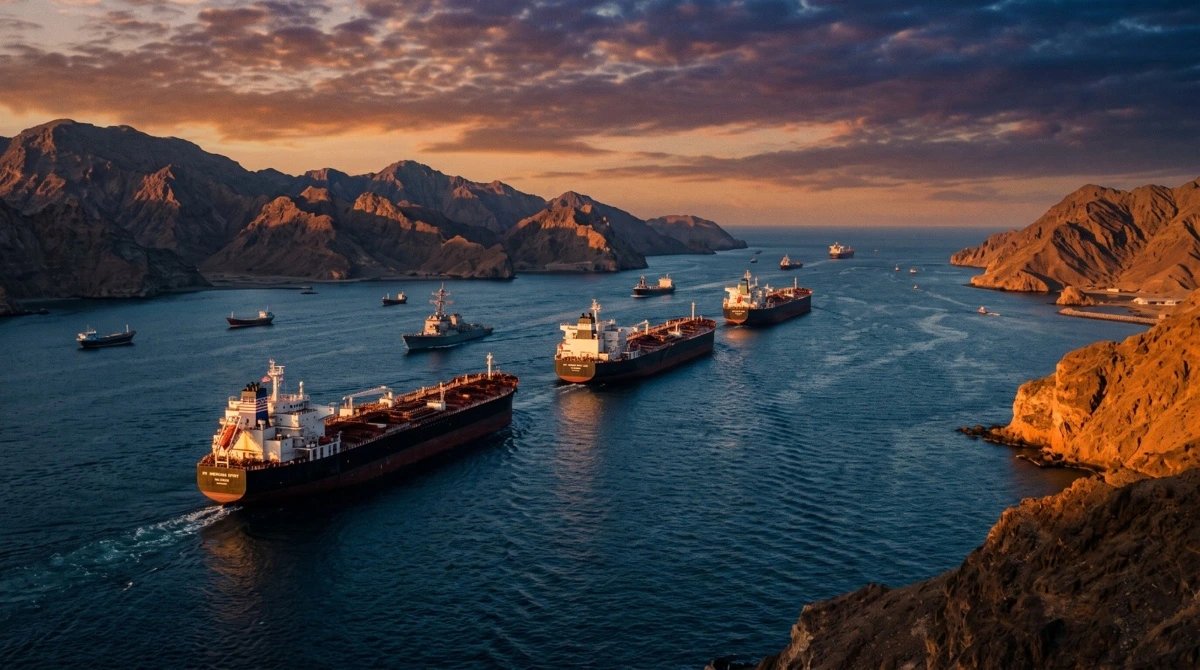
Exports of 12 key goods through the Strait of Hormuz fell 54% in April 2026 from a year earlier, according to the International Trade Centre. The decline, driven by shipping disruptions, hit energy and industrial supply chains, with LNG exports down 95% and urea 83%. The slump persists even as importers seek alternative suppliers but fail to fully compensate for lost volumes.
Sharp Export Declines
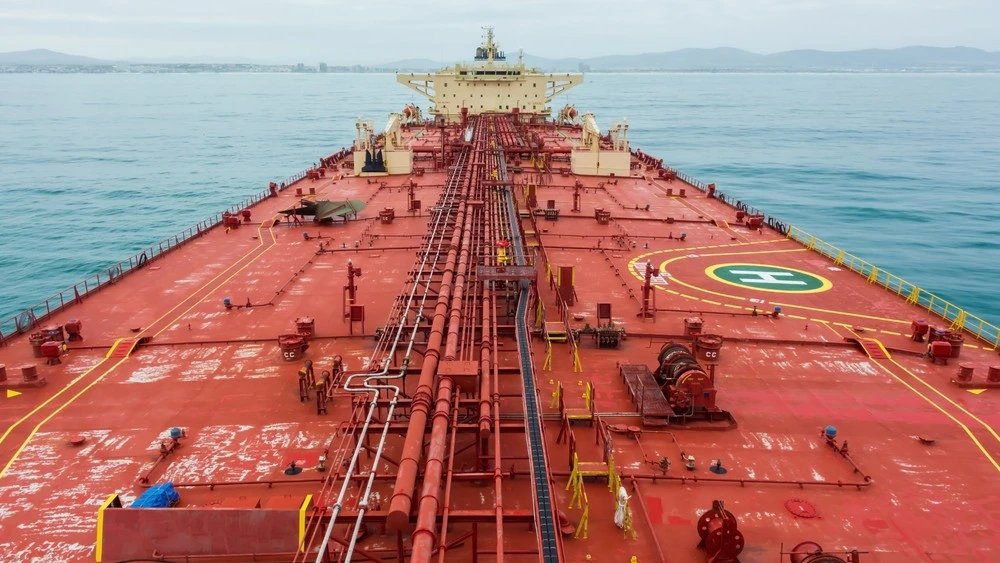
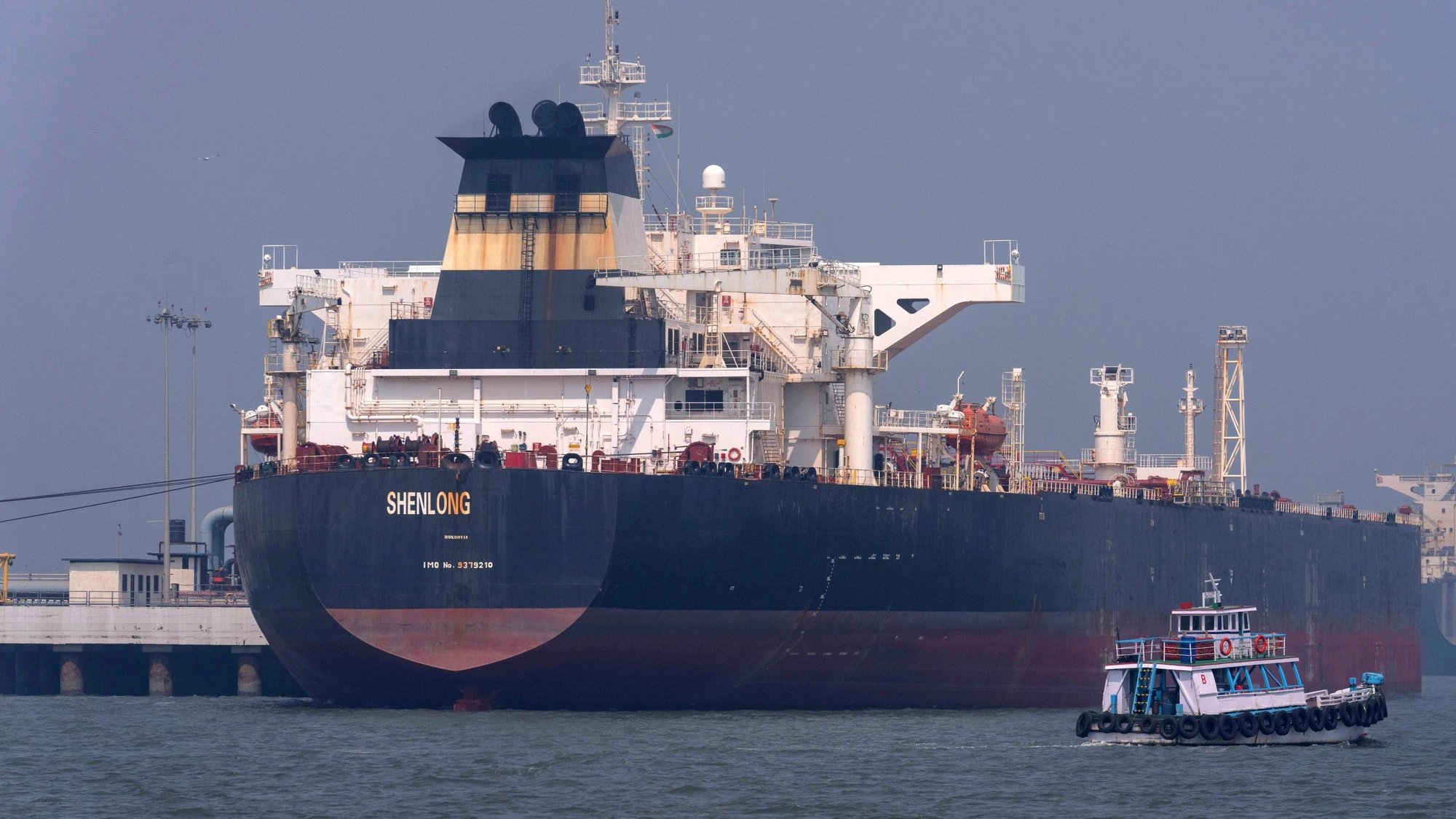
The Strait of Hormuz accounts for roughly a quarter of global seaborne oil, a large share of liquefied natural gas trade, and about a third of world urea exports. Preliminary data for April 2026 show combined shipments of 12 monitored products down 54% year-on-year. LNG exports tumbled 95%, urea 83%, methanol 80%, and ammonia 75%. Crude oil exports fell by 28 million tonnes, petroleum products by 7.3 million tonnes, and LNG by 5.5 million tonnes. The disruption also hit fertilizers, chemicals, plastics, and aluminum, rippling through multiple industries.
Alternative Suppliers
Imports from alternative sources rose for 10 out of 12 product categories, the ITC reported. The United States increased deliveries of liquefied butane and LNG, while China became a significant additional supplier of ethylene and propylene polymers. However, only ammonia and polypropylene imports were fully replaced. The ITC said the trade reorientation has started but has not yet offset lost volumes, and some countries likely resorted to stockpiles, strategic reserves, or demand reduction.
Disproportionate Impact
The disruption's effects varied based on each country's reliance on regional suppliers, inventory levels, domestic demand, and capacity to redirect imports, the ITC noted. States with historically deep dependence on shipments through the Strait of Hormuz suffered the most severe consequences, though the report did not specify names. The ITC emphasized that full trade recovery remains distant as shipping intensity stays well below normal.
What's Next
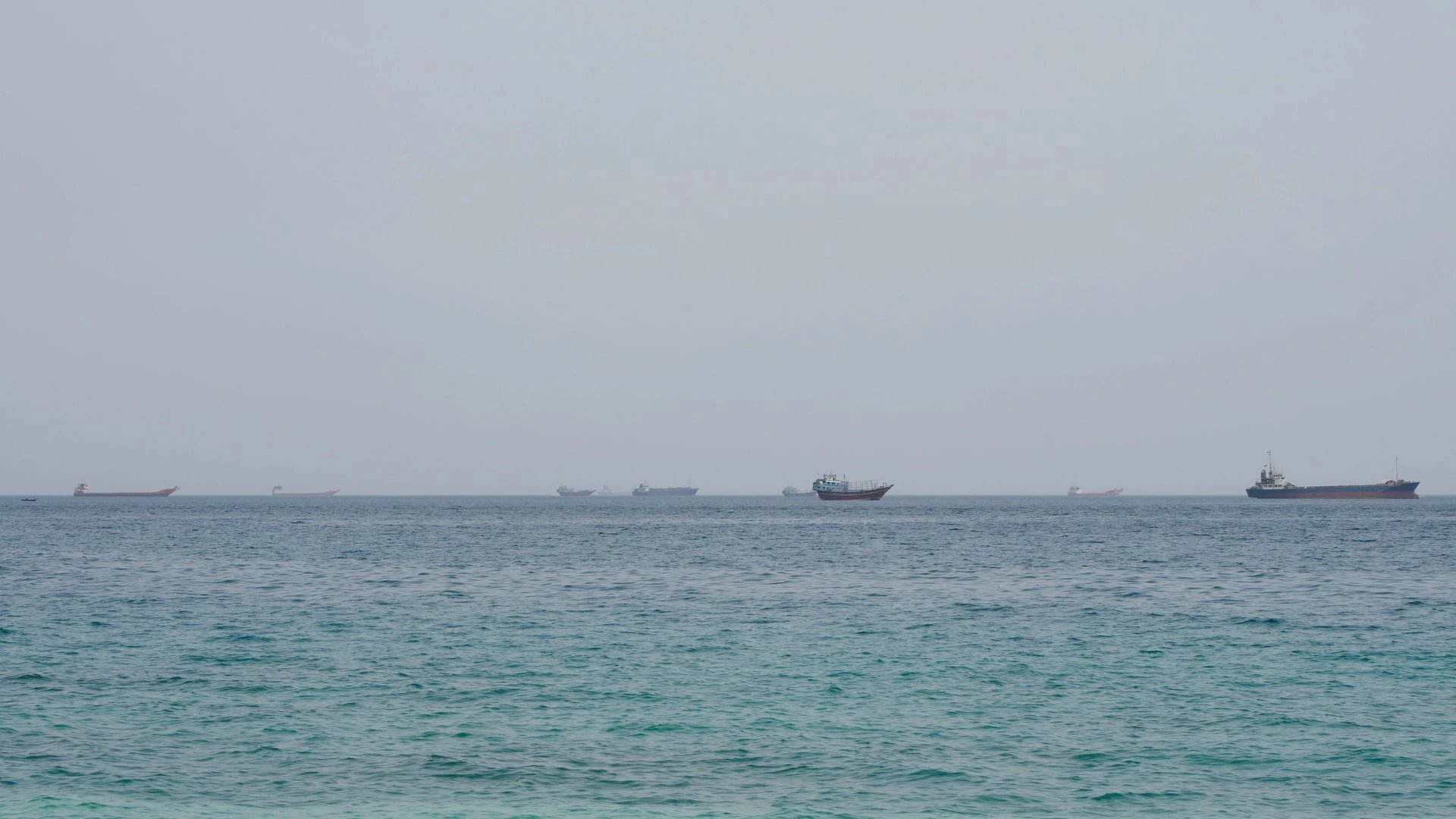
Efforts to restore regular shipping in the Strait of Hormuz continue, but traffic levels remain significantly disrupted. It is unclear how quickly trade flows can normalize, and whether the shift toward alternative suppliers will become a lasting realignment.
1 source
ITC: Exports via Strait of Hormuz fall 54% in April