
Archaeologists identify 500 iron bars from 2,000-year-old Danube shipwreck in Austria
This digest was compiled by AI from multiple sources — links to the originals are below.
Archaeologists have identified a collection of 500 iron bars found in the Danube River near Deinham, Austria, as the largest cache of ancient iron ever discovered in Europe. The bars, dating back more than two millennia, are believed to have come from a ship that sank while carrying the metal, enough to equip an entire army with weapons.
Key Facts
- The cache consists of 500 iron bars, making it the largest ancient iron find in Europe.
- The iron bars were discovered in 2019 by workers extracting gravel from the Danube near Deinham, Austria.
- The iron dates back more than 2,000 years, to a period when the region was part of the Roman Empire.
- The amount of iron is sufficient to equip an entire army with weapons.
Discovery and Identification
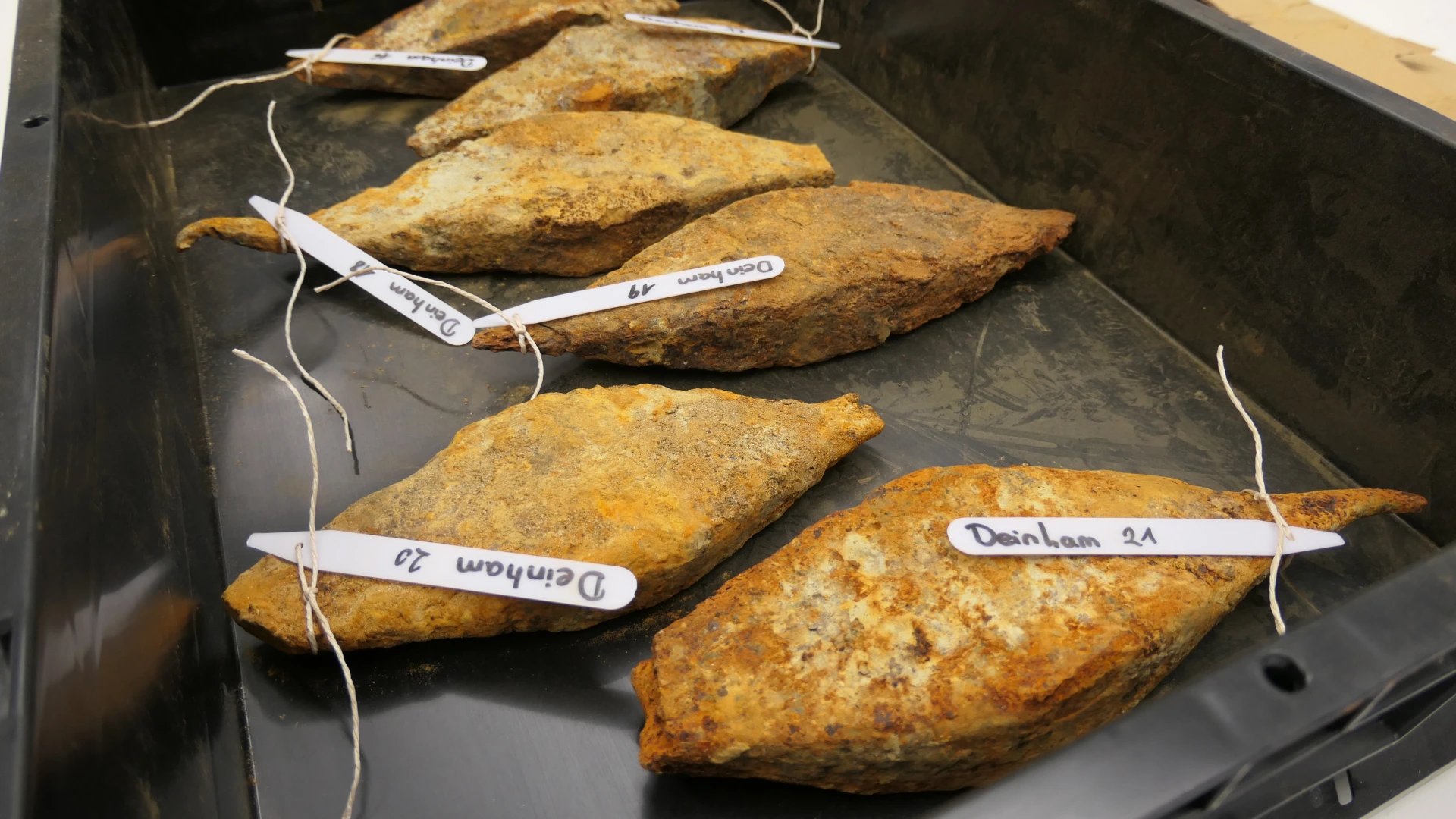
Workers extracting gravel from the Danube River near the village of Deinham in 2019 spotted unusual double-pointed iron objects and reported them to the Austrian monument authority. Archaeologists subsequently identified the objects as a collection of 500 iron bars, the largest cache of ancient iron ever found in Europe. The bars are believed to have been part of a ship's cargo that sank in the river more than two millennia ago.
Historical Significance
The iron bars date to a period when the Danube region was under Roman control, and the metal was likely intended for military use. The quantity of iron—500 bars—would have been enough to equip a whole army with weapons, indicating the strategic importance of the shipment. The find provides rare insight into the scale of iron production and trade in the ancient Roman world.
4 sources
Time · lag behind first