
UK defence chief warns Russia threat marks most dangerous period in 35-year career
This digest was compiled by AI from multiple sources — links to the originals are below.
The UK's Chief of the Defence Staff Sir Richard Knighton said the threat from Russia has made this the most dangerous period of his 35-year military career. The government has begun updating its 'war book' and is urging citizens to stockpile food and water and strengthen civic resilience. Historians compare the current mood to the Edwardian summers before 1914, when talk of war was widespread but belief in its reality was not.
Key Facts
- Sir Richard Knighton, the UK's Chief of the Defence Staff, said the threat from Russia has created the most dangerous period of his 35-year career in the armed forces.
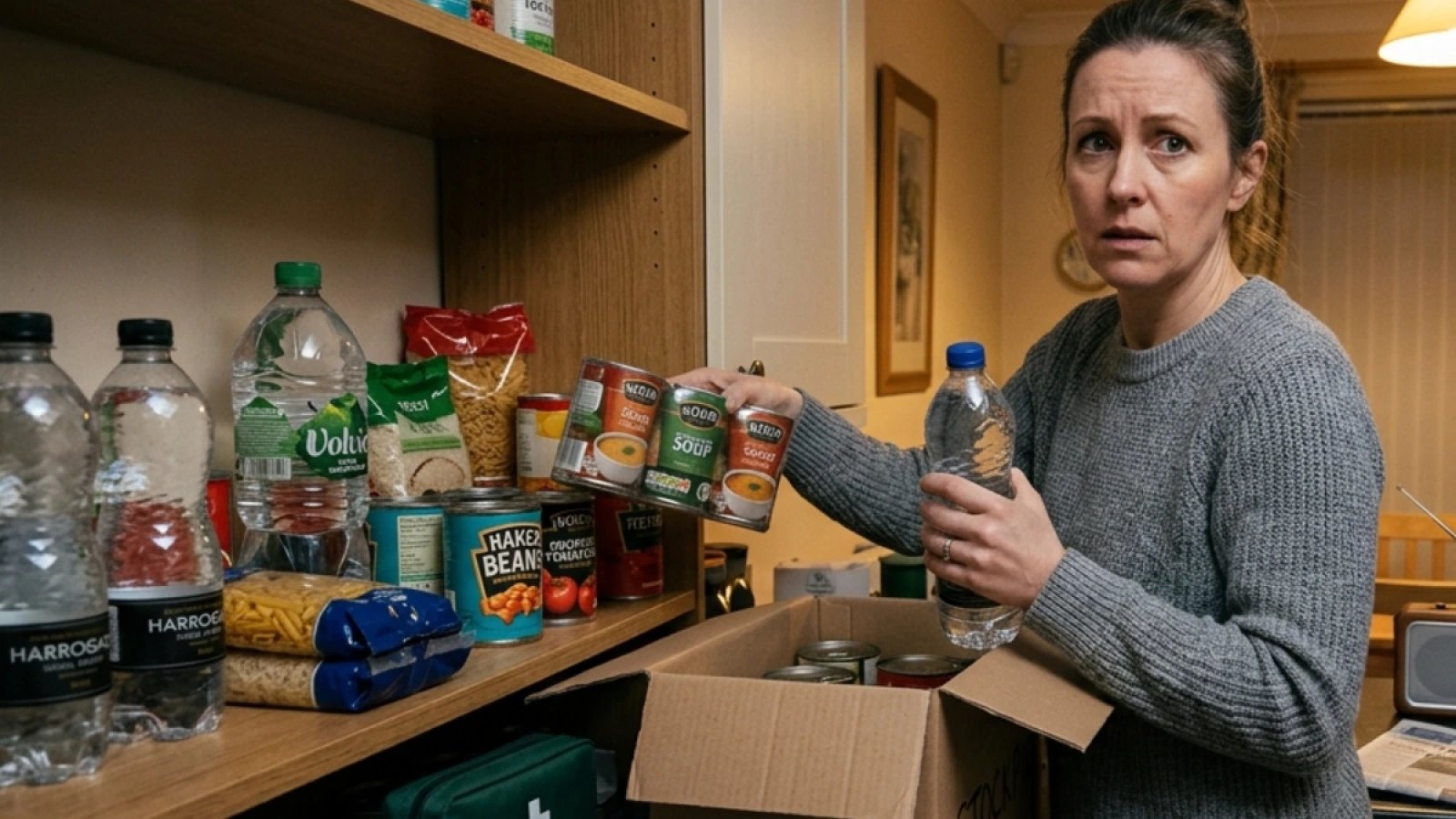
- The UK government has begun work on its 'war book', which has not been updated in decades, and wants citizens to stockpile canned food and drinking water.
- Historian Margaret MacMillan, author of War: How Conflict Shaped Us, said the possibility for asymmetric war and cyber war is growing by leaps and bounds.
- Retired British General Sir Richard Shirreff, a former Deputy Supreme Allied Commander Europe, compared the current moment to the Edwardian summers before 1914, when war seemed far-fetched.
- One in eight of the men who enlisted in the UK during World War One died in Flanders, France, Mesopotamia and Gallipoli.
Government Preparedness Push
The UK government wants citizens to prepare for severe disruption by stockpiling canned food and drinking water and strengthening civic resilience. Work has begun on the government's 'war book', which has not been updated in decades. The Chief of the Defence Staff Sir Richard Knighton said the threat from Russia meant Britain was living through the most dangerous period of his 35-year career in the armed forces.
Nature of the Threat
Historian Margaret MacMillan said the danger is not Russian tanks rolling up Whitehall but the cutting of cables on the ocean floor and hacking into critical systems. MacMillan, author of War: How Conflict Shaped Us, said the possibility for asymmetric war and cyber war is growing by leaps and bounds. She said society has become used to the idea that peace is the normal state of affairs, but people are beginning to recognise that war is closer than they would like to think.
Historical Parallels
Retired British General Sir Richard Shirreff, a former Deputy Supreme Allied Commander Europe, compared the current moment to the Edwardian summers before 1914, when talk of war was widespread but belief in its reality was not. In 1914, recruitment stations were flooded with volunteers eager to serve, raised on heroic tales of empire-building and swift victory. One in eight of the men who enlisted in the UK during World War One died in Flanders, France, Mesopotamia and Gallipoli.
1 source
Time · lag behind first