
Nepal's Gen Z revolt swept out old guard, but governing proves harder
This digest was compiled by AI from multiple sources — links to the originals are below.
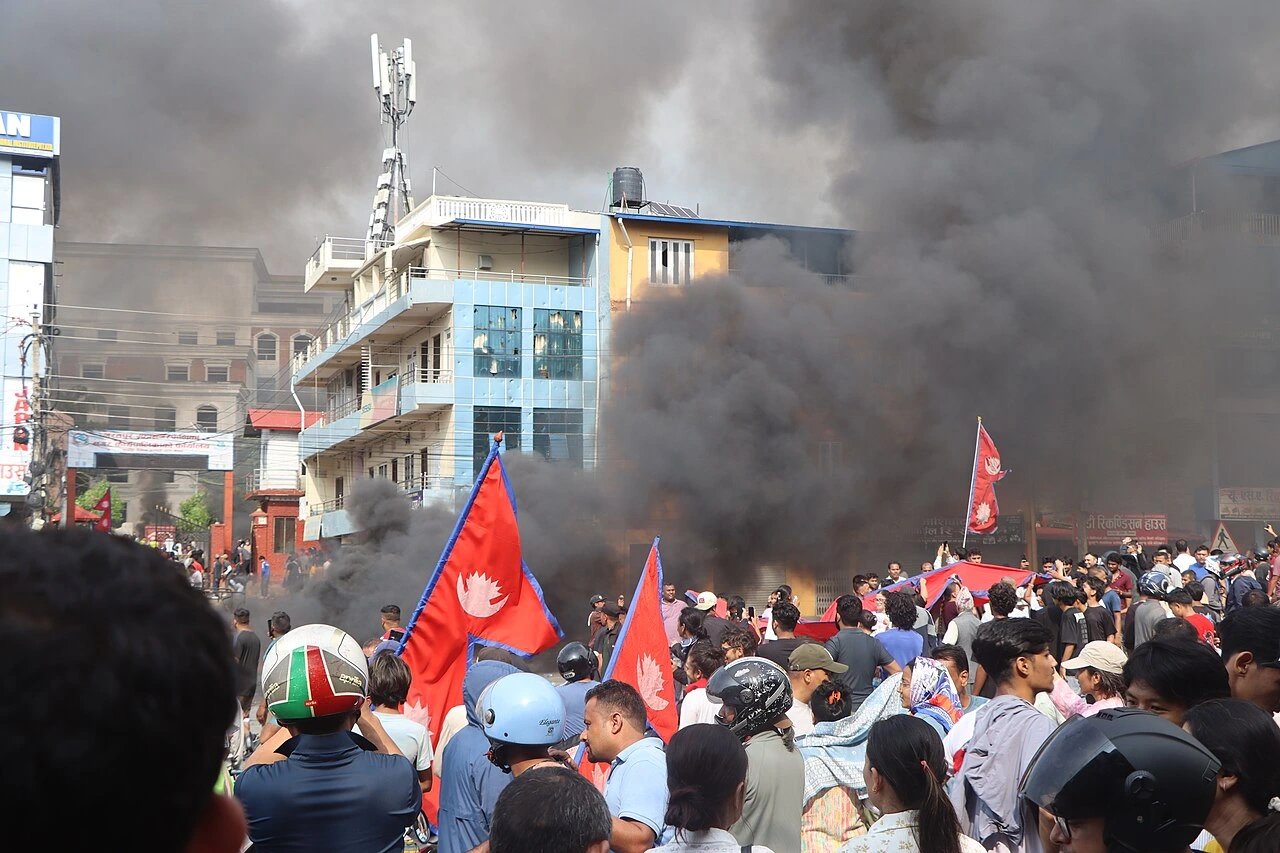
A year after Nepal's 2025 Gen Z uprising toppled KP Sharma Oli's government and left 76 dead, the movement's leaders face the limits of their revolt. Balendra Shah now commands a near two-thirds majority after March 2026 elections, but his five months in office have been turbulent. The new government's attempt to prosecute Oli and Home Minister Ramesh Lekhak collapsed for lack of legal grounds, exposing the inexperience of Nepal's new rulers.
Key Facts
- The 2025 Gen Z uprising in Nepal resulted in 76 deaths and swept aside the government of KP Sharma Oli within two days.
- Former Chief Justice Sushila Karki was appointed prime minister after Gen Z leaders selected her through a vote on Discord, with a mandate to hold elections within six months.
- Elections held in March 2026 were largely free and fair, and Balendra Shah came to power with nearly a two-thirds parliamentary majority.
- The Shah government arrested former Prime Minister Oli and Home Minister Ramesh Lekhak over uprising deaths, but released them for lack of legal grounds.
The Uprising's Aftermath
The 2025 Gen Z uprising was spontaneous and centered on good governance and reversal of a social media ban. Within two days, the old political establishment was swept aside, leaving Nepal in a political vacuum. Then Prime Minister KP Sharma Oli had to flee for his life as the uprising brought forward young, ambitious, but politically untested leaders. The movement proved successful at dismantling the old order but was conceived as a limited protest, not a blueprint for governing.
Karki's Interim Government
Following Oli's overthrow, former Chief Justice Sushila Karki was appointed prime minister after Gen Z leaders picked her through a vote on Discord. Karki was given the sole mandate of holding elections within six months. Traditional political forces initially refused to participate, doubting the elections would be free and fair, while monarchists sought a place for the deposed king. The Karki government ultimately brought the Nepali Congress and Communist Party of Nepal-United Marxist Leninist into confidence, and elections in March 2026 were largely free and fair.
Shah's Turbulent Rule
Balendra Shah came to power as a powerful prime minister commanding nearly a two-thirds parliamentary majority in the March 2026 elections. His five months in office have been turbulent, with expectations far higher than those for Karki and delivery mixed. One urgent task was providing justice to families of uprising victims, which required bringing responsible political and security leadership to justice. The government arrested Oli and Home Minister Ramesh Lekhak, but they were released as there were no legal grounds to hold them. This incident highlighted the lack of experience of Nepal's new rulers and the sheer weight of expectation for immediate delivery.
1 source
Time · lag behind first