
Marc Saxer: Central Asia faces geopolitical conflict in emerging 'wolf world'
This digest was compiled by AI from multiple sources — links to the originals are below.
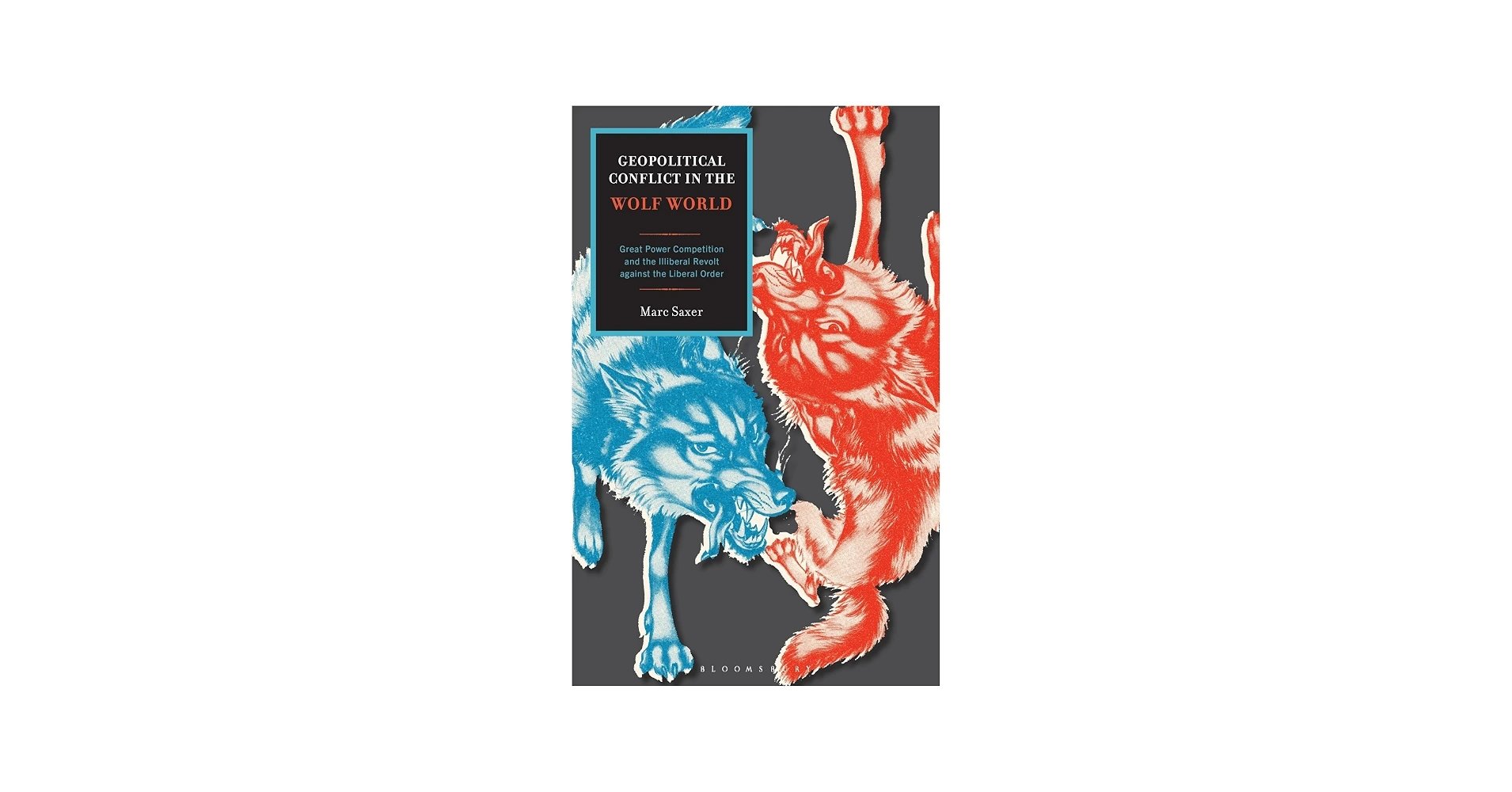
Political analyst Marc Saxer presented his new book on geopolitical conflict and the illiberal revolt in Almaty. He argues that the collapse of the liberal international order is creating a 'wolf world' of great power rivalry. Saxer sees Central Asia as a region where these dynamics are already unfolding.
Key Facts
- Marc Saxer's book 'Geopolitical Conflict in the Wolf World' was published by Bloomsbury.
- The Peace Research Institute of Oslo recorded more violent conflicts and interstate wars in 2025 than at any point since World War II.
- Saxer has lived and worked in Asia for more than 20 years.
- Indian Prime Minister Narendra Modi urged Russian President Vladimir Putin to stop the war in Ukraine.
The Wolf World Concept
Marc Saxer introduces his book 'Geopolitical Conflict in the Wolf World: Great Power Competition and the Illiberal Revolt Against the Liberal Order' during a tour across Asia. The title draws on Thomas Hobbes's 17th-century phrase 'homo homini lupus est' — man is wolf to man — to describe a world where order collapses and the mighty prey on the weak. Saxer argues that the end of unipolarity, erosion of US hegemony, and return of great power rivalry mark a shift into a more anarchical and disorderly world. He cites the Peace Research Institute of Oslo's finding that 2025 saw more violent conflicts and interstate wars than any year since World War II.
Illiberal Revolt and Liberalism's Crisis
Saxer identifies a 'twin crisis of liberalism' in which illiberal revolts within western democracies — led by figures such as Trump, Modi, Bolsonaro, and Netanyahu — attack liberal elements of liberal democracy. He notes that these illiberal politics sometimes include calls for peace, citing Narendra Modi's urging of Vladimir Putin to stop the war in Ukraine. Saxer sees greater, middle, and smaller powers becoming more transactional and interest-driven, with material, geopolitical, and geoeconomic priorities. He dismisses the notion of a systemic ideological rivalry, calling such narratives US-originated and lacking traction in Central Asia.
1 source
Time · lag behind first