SCO at 25: Institutionalizing Coexistence Without Convergence
This digest was compiled by AI from multiple sources — links to the originals are below.
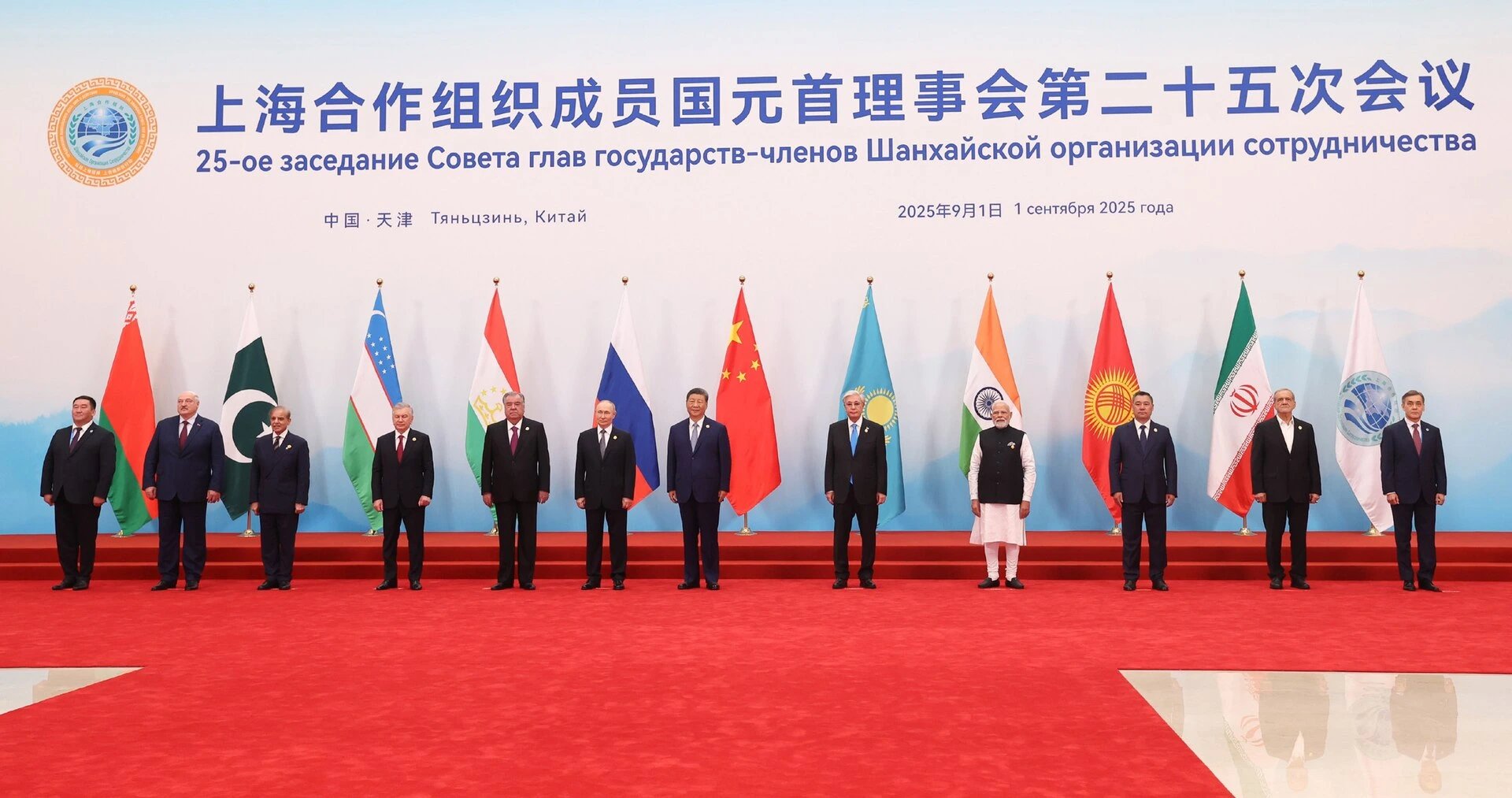
The Shanghai Cooperation Organization marks its 25th anniversary at a summit in Bishkek on September 1, 2026, with 10 members, 2 observers, and 15 dialogue partners. The organization has expanded its agenda from border management to counterterrorism, energy, and technology, but has not resolved bilateral conflicts among its members. Its Charter's emphasis on sovereignty and non-interference limits its ability to mediate disputes.
Key Facts
- The SCO was founded in 2001 with six members and now comprises 10 members, including China, Russia, India, Pakistan, Iran, and Belarus.
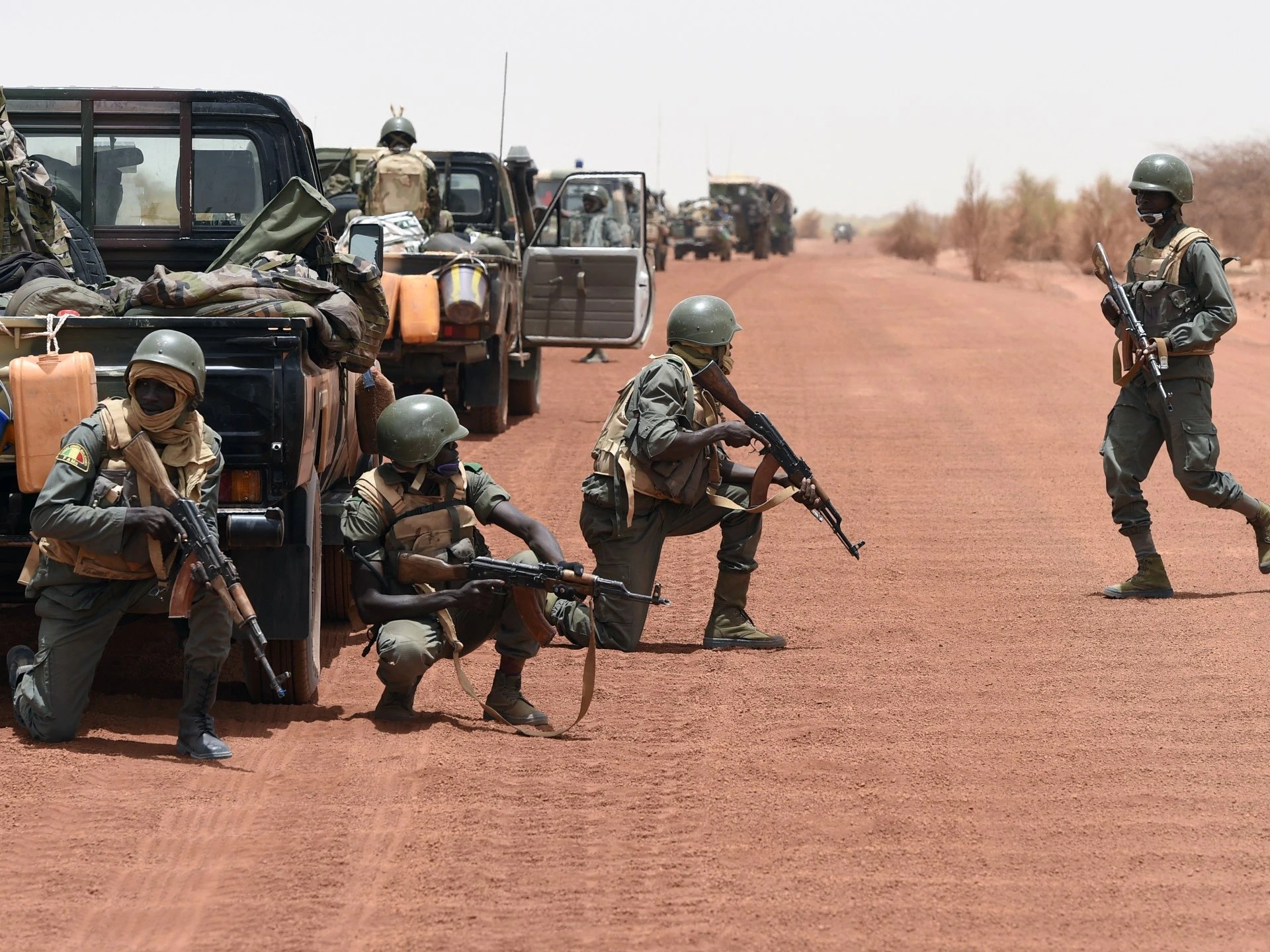
- The SCO's Regional Anti-Terrorist Structure (RATS) was established in Tashkent in 2004, and its Peace Mission military exercises began in 2003.
- The SCO has 15 dialogue partners stretching from the South Caucasus to the Middle East, South, and Southeast Asia.
- The SCO Charter stresses principles of sovereignty, non-interference, and equality, seeking common positions only on matters of mutual interest.
Membership and Expansion
The SCO grew from six founding members in 2001 to 10 members by 2026, adding India, Pakistan, Iran, and Belarus. Afghanistan and Mongolia hold observer status, while 15 dialogue partners extend the organization's reach from the South Caucasus to Southeast Asia. The organization's original purpose was confidence-building and border management among China, Russia, and the Central Asian states. Today the SCO operates across areas including counterterrorism, cybersecurity, energy, transport, trade, finance, science, technology, artificial intelligence, culture, tourism, education, and youth empowerment.
Institutional Mechanisms
The Regional Anti-Terrorist Structure (RATS) was established in Tashkent in 2004 to coordinate counterterrorism efforts. Peace Mission military exercises have been held since 2003, involving member states' armed forces. The SCO ecosystem includes a secretariat, working groups, and specialized mechanisms covering businesses, banking, youth, and academia.
Limits of Coexistence
The SCO does not address bilateral problems, making no contribution to mitigating conflicts among its members, observers, or dialogue partners. Russia has drawn Belarus into its war with Ukraine, while Iran's war with the United States has involved attacks on Bahrain, Qatar, Kuwait, the UAE, and Saudi Arabia. Afghanistan and Pakistan are engaged in a cross-border conflict, and India and China have an unresolved border with occasional military tensions. India and Pakistan maintain a deeply adversarial relationship, and Cambodia was embroiled in a border war with Thailand last year. The SCO Charter's emphasis on sovereignty and non-interference structurally limits its ability to mediate these disputes.
1 source
SCO at 25: Institutionalizing Coexistence Without Convergence