
Back-to-back Arctic storms can double sea ice loss, study finds
This digest was compiled by AI from multiple sources — links to the originals are below.
An international research team led by the Alfred Wegener Institute found that consecutive Arctic cyclones, known as cyclone clustering, can double sea ice loss compared to isolated storms. The study, published in Nature Communications, analyzed satellite and weather data from 1979 to 2024. The findings suggest prolonged stormy periods prevent ice from refreezing and increase risks for Arctic coastlines.
Key Facts
- Cyclone clustering can double sea ice loss compared to isolated cyclones, according to a study published in Nature Communications.
- The research team analyzed satellite observations and weather records spanning 1979 to 2024.
- Dr. Lars Aue of the Alfred Wegener Institute is the lead author of the study.
- In winter, newly opened gaps in sea ice normally refreeze within several days, but consecutive cyclones can prevent this.
- During warmer months, cyclone clusters can push ice floes northward and compress the overall ice-covered area.
Cyclone Clustering Mechanism
Cyclone clustering occurs when multiple low-pressure systems move through the same Arctic region in rapid succession, extending the period of severe weather. The Alfred Wegener Institute team adapted a cyclone-tracking algorithm to detect rapidly consecutive cyclones in the Arctic. Researchers compared sea ice conditions on satellite images before and after each cluster passed through. In Europe, similar clustering events have historically caused significant damage from high winds, heavy rainfall, and coastal flooding, according to Dr. Lars Aue.
Impact on Sea Ice
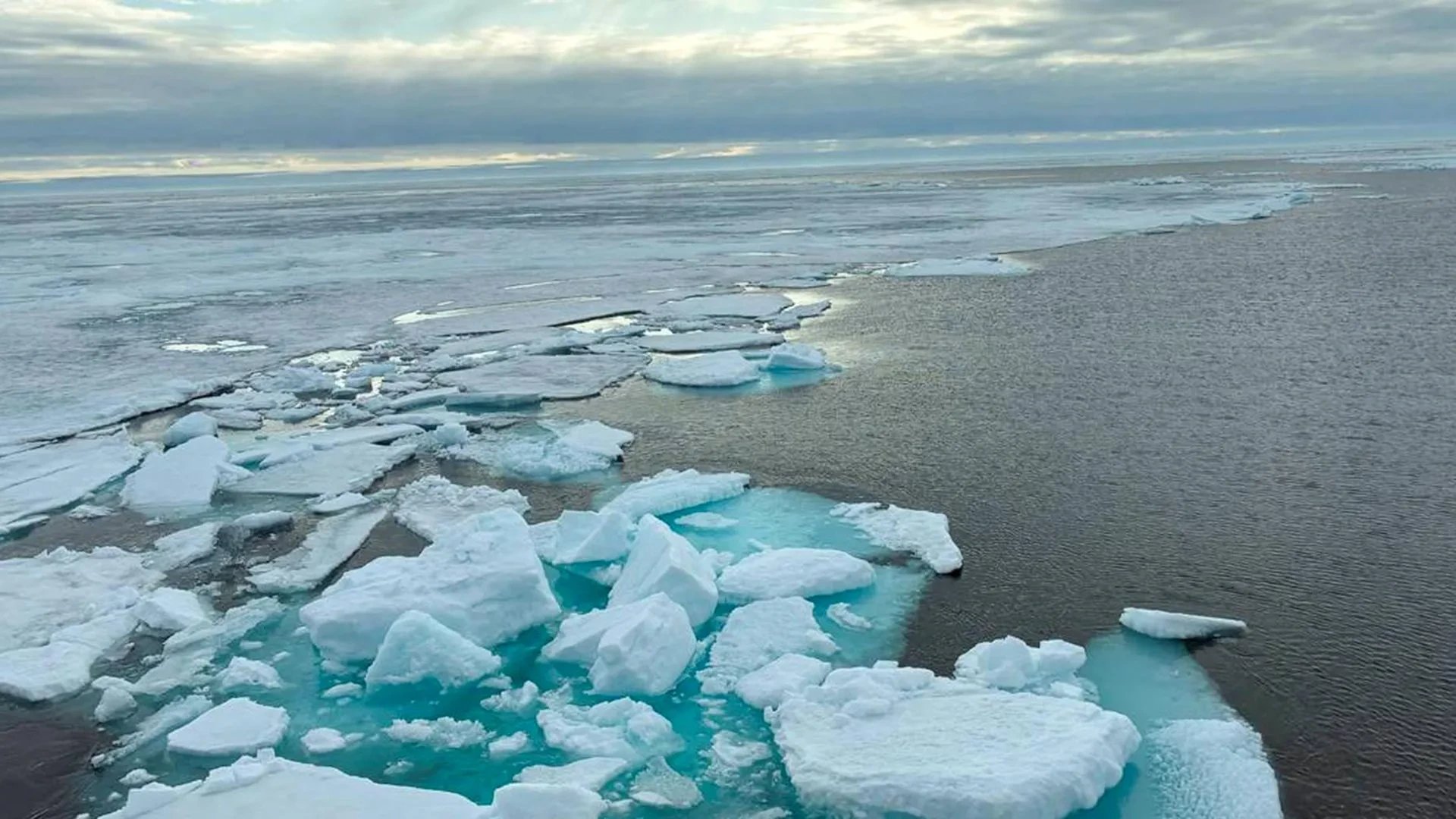
Powerful winds from cyclones break up sea ice, causing individual floes to move, drift, and collide. During Arctic winter, prolonged stormy conditions from consecutive cyclones prevent newly opened gaps in the ice from refreezing quickly. In warmer months, cyclone clusters can force ice floes northward and compress the overall sea ice area. Cyclones also promote melting by carrying warmer air over the ice and bringing warmer seawater up from deeper layers.
1 source
Time · lag behind first