
TU Wien builds quantum computer-powered electron microscope to image fragile samples
This digest was compiled by AI from multiple sources — links to the originals are below.
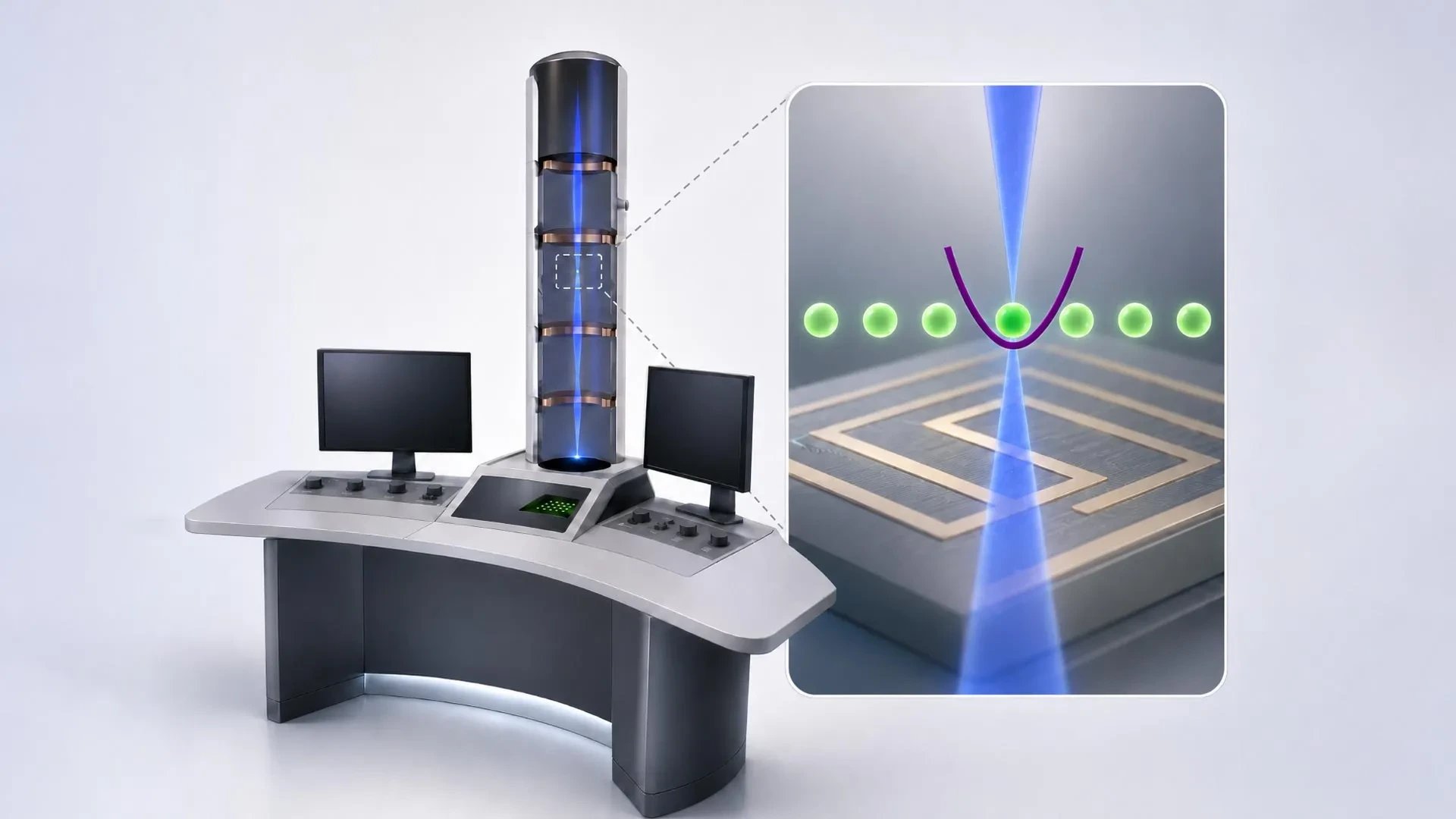
Researchers at TU Wien and partner universities have developed a concept for an electron microscope connected to a quantum computer. The approach uses quantum entanglement to extract more information from each electron, reducing the number of electrons needed to image delicate samples. A quantum computer electron microscope based on the concept is now being constructed at TU Wien.
Key Facts
- The quantum computer electron microscope is being constructed at TU Wien.
- The approach links electrons in the microscope to a quantum computer built around trapped ions.
- Philipp Haslinger from TU Wien notes that imaging biological samples such as individual proteins often requires a large number of electrons, which can damage the sample.
- Elias Pescoller, first author and doctoral student at TU Wien, explains that the interaction can create quantum entanglement between the electron and the quantum computer.
Quantum Entanglement Approach
The team proposes linking electrons in the microscope to a quantum computer built around trapped ions. Electrons interact with ions held in place along the electron beam path, potentially creating quantum entanglement between the electron and the quantum computer. The electron and the ion then share a joint quantum state, allowing information about the electron to be stored in the ion. After one electron interacts with a trapped ion, another electron can pass through and become entangled with the quantum computer as well.
Imaging Fragile Samples
Modern electron microscopes achieve atomic-scale resolution but require a large number of electrons. Not every sample can be exposed to so many electrons without being damaged, particularly biological samples such as individual proteins. By extracting more information from each electron, the approach aims to reduce the total number of electrons needed to produce an image.
1 source
Time · lag behind first