
French Navy drone finds 16th-century shipwreck 1.5 miles deep off Saint-Tropez
This digest was compiled by AI from multiple sources — links to the originals are below.
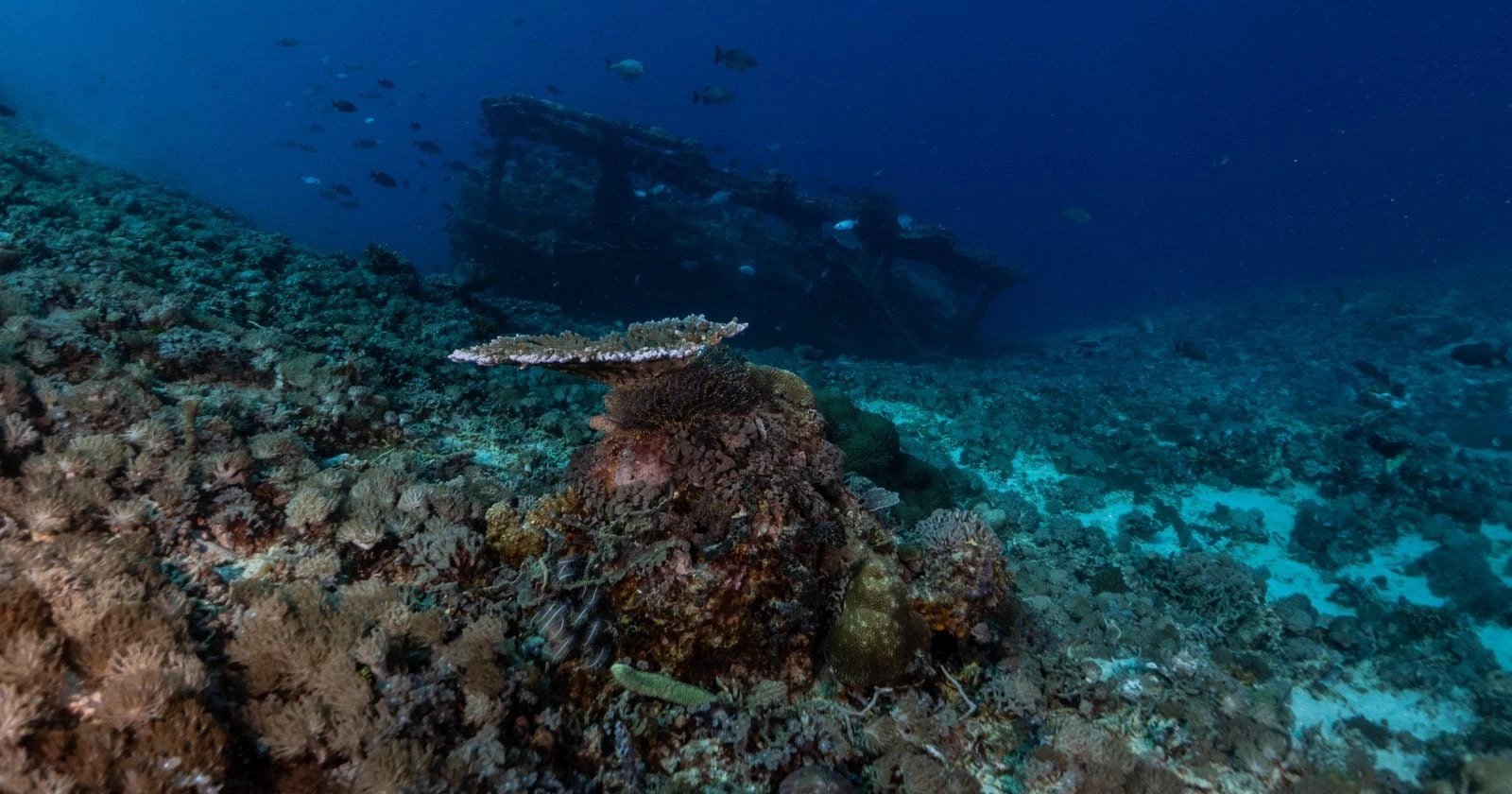
A French Navy drone mapping the seabed off Ramatuelle near Saint-Tropez discovered a 16th-century merchant shipwreck more than two kilometers down. The wreck, provisionally named Camarat 4, is the deepest ever found in French territorial waters. The find was confirmed by camera and underwater robot after sonar flagged the object.
Key Facts
- The wreck, provisionally named Camarat 4, measures roughly 30 meters long and 7 meters wide and rests about 1.5 miles beneath the Mediterranean.
- Arnaud Schaumasse, head of the culture ministry's underwater archaeology department, said it is the deepest shipwreck ever found in French territorial waters.
- The previous record holder was La Minerve, a submarine that sank in 1968 with 52 crew aboard and was found off Toulon.
- The team counted around 200 ceramic jugs with pinched spouts, many marked with an IHS monogram or with plant and geometric patterns.
Discovery and Confirmation
The sonar flagged the object during a government seabed mapping project off Ramatuelle, near Saint-Tropez. Thierry de la Burgade, a deputy maritime prefect, said the team returned with a camera and then an underwater robot to capture high-quality images. The images showed a merchant ship roughly 30 meters long and 7 meters wide resting about a mile and a half beneath the Mediterranean. The team gave the wreck the provisional name Camarat 4.
Preservation and Cargo
Marine Sadania, an archaeologist on the study team, said the site has remained intact because its depth prevented recovery or looting. Modern waste, including a soda can and an empty yogurt container, was found near the wreck. The team counted around 200 ceramic jugs with pinched spouts, many marked with an IHS monogram or with plant and geometric patterns.
1 source
Time · lag behind first