
Archaeologists uncover 3,000-year-old Egyptian tomb in Theban necropolis
This digest was compiled by AI from multiple sources — links to the originals are below.
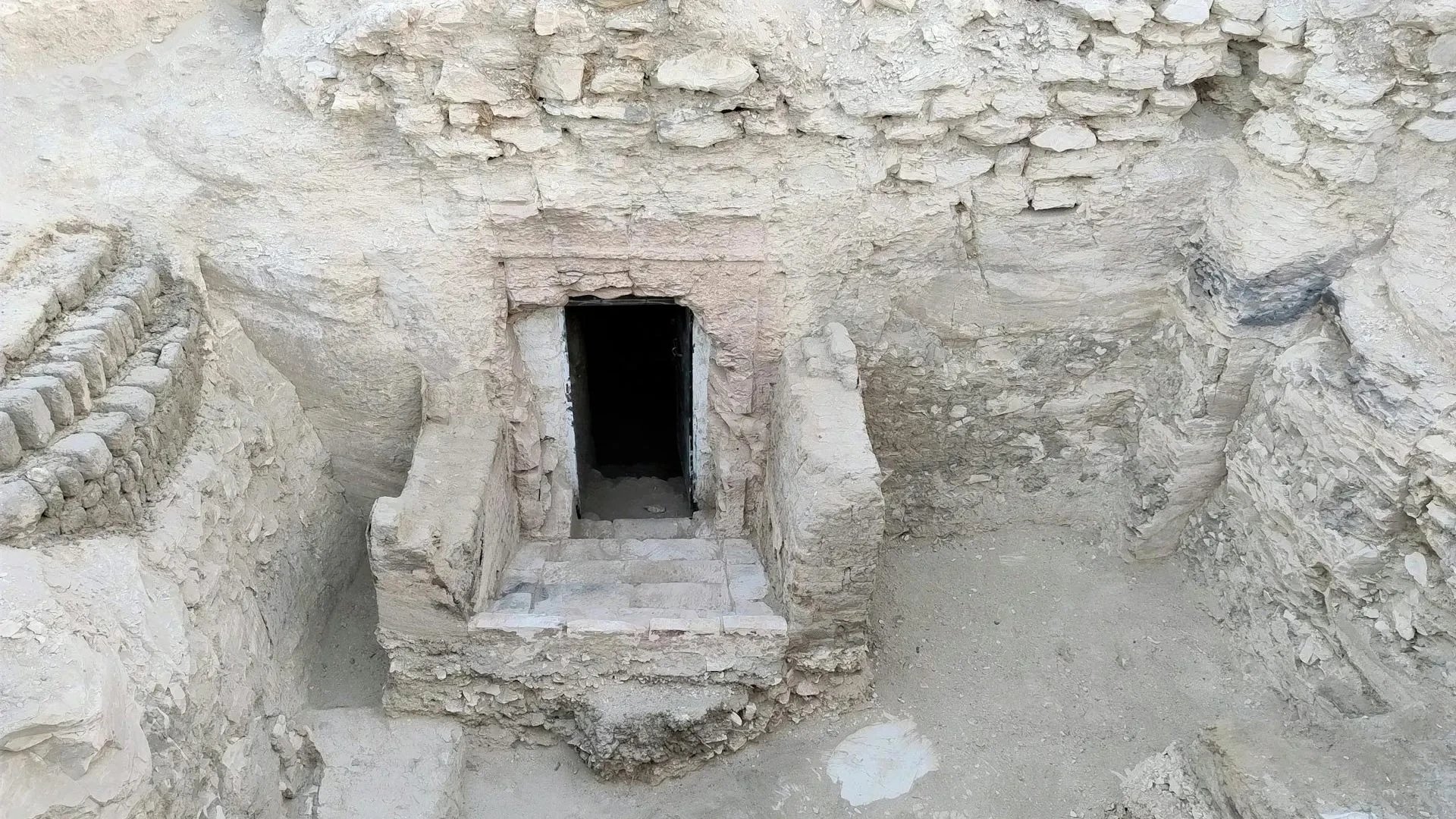
An international research team discovered a previously unknown 3,000-year-old tomb in the Theban necropolis near Luxor, Egypt. The tomb features well-preserved wall paintings depicting the owner adoring deities and sitting with his wife before an offering table. The discovery was made during flood-mitigation excavations at Lower Sheikh Abd el-Qurna.
Key Facts
- The tomb dates to the Ramesside period (ca. 1292-1069 BC) based on iconography and painting style.
- The Theban necropolis covers around 10 km² and served as Egypt's main royal and elite cemetery from ca. 1550 BC.
- The tomb includes an outer courtyard, rock-cut chapel, and subterranean burial chambers.
- The team has conducted fieldwork at the site since 2018 in collaboration with Egypt's Ministry of Tourism and Antiquities.
Tomb Discovery
The tomb was found during systematic debris removal and excavation aimed at directing flash-flood water away from monuments at Lower Sheikh Abd el-Qurna. The site lies at the foothills of the Theban mountain, making it highly vulnerable to intense bursts of rain. The tomb's layout is typical of Theban elite tombs from the New Kingdom period (ca. 1550-1069 BC). Its courtyard contains a mudbrick platform with a niche for a stela and a staircase with ramps on either side.
Wall Paintings
The rock-cut chapel walls are decorated with vivid paintings of the tomb owner adoring deities in shrines. Another scene shows the owner sitting with his wife before an offering table laden with bread, beer, fruits, meat, and flowers. The paintings offer historical details about daily life, the owner's position in the Ramesside hierarchy, and other family members buried there.
1 source
Time · lag behind first