
MIT scientists develop injectable mini livers that work inside the body
This digest was compiled by AI from multiple sources — links to the originals are below.
MIT engineers have developed injectable 'mini livers' that provide liver functions without surgery. In mice, injected liver cells survived at least two months and produced liver enzymes and proteins. The approach could offer an alternative for the more than 10,000 U.S. patients awaiting liver transplants.
Key Facts
- More than 10,000 people in the United States with chronic liver disease are currently waiting for a liver transplant.
- Injected liver cells remained alive for at least two months in mice and continued producing many liver enzymes and proteins.
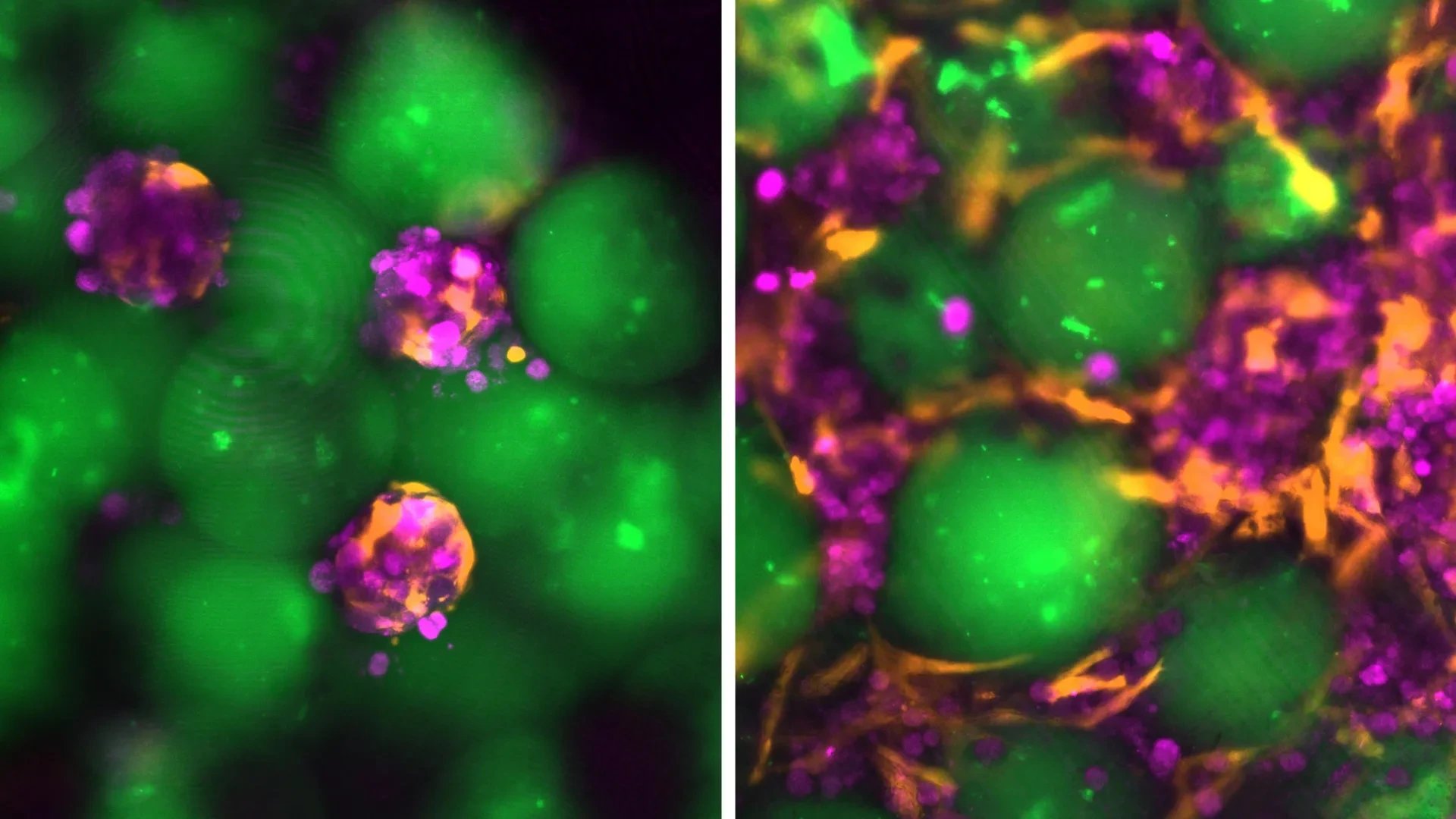
- The injectable mixture contains liver cells and tiny hydrogel microspheres that help cells connect with nearby blood vessels.
- The study was published in Cell Biomaterials, with MIT postdoc Vardhman Kumar as lead author and Sangeeta Bhatia as senior author.
Injectable Liver Technology
MIT engineers designed an injectable mixture containing liver cells and tiny hydrogel microspheres. The microspheres keep the cells together and encourage connections with nearby blood vessels. When densely packed, the spheres behave like a liquid, allowing the mixture to be pushed through a syringe, and then recover a solid structure inside the body. Hydrogel microspheres have previously been investigated for wound healing because they create spaces for cells to move and generate new tissue.
Study Results
In a new study in mice, injected liver cells remained alive for at least two months. During that time, the cells continued producing many of the enzymes and proteins normally generated by the liver. Sangeeta Bhatia, the John and Dorothy Wilson Professor of Health Sciences and Technology and of Electrical Engineering and Computer Science at MIT, described the cells as 'satellite livers' that would provide booster function while leaving the sick organ in place.
1 source
Time · lag behind first