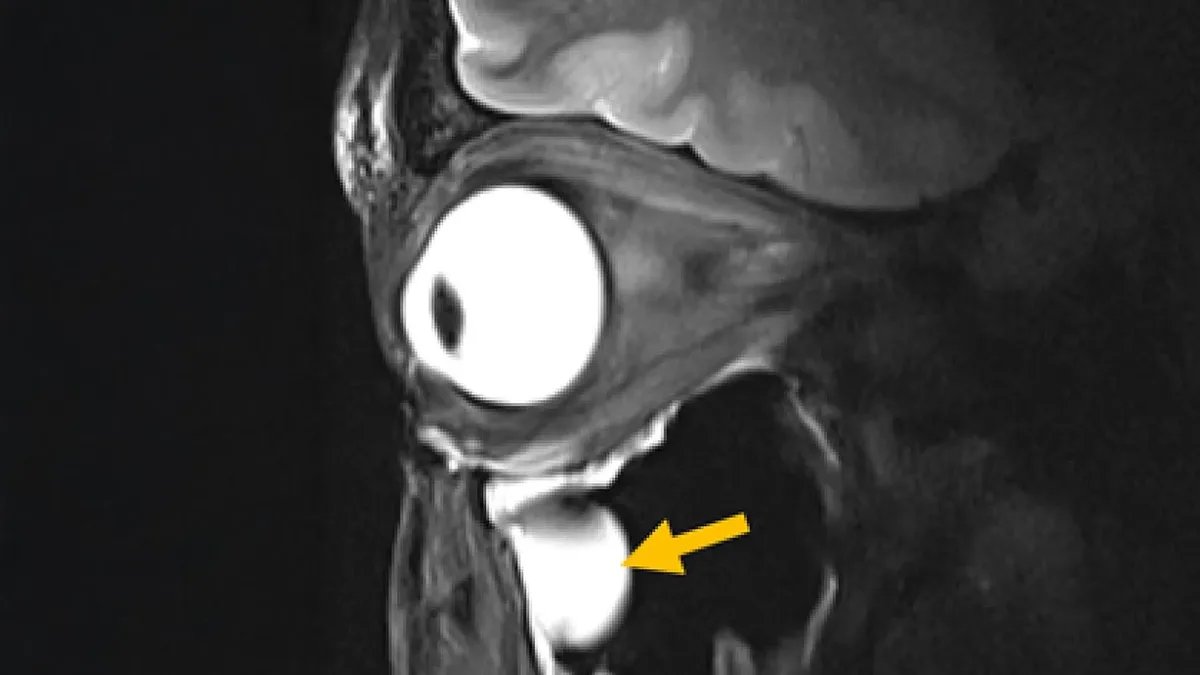
Soft IBO port enables direct charging of medical implants
This digest was compiled by AI from multiple sources — links to the originals are below.
University of California researchers developed a soft implantable bioelectronic connector (IBO) that acts as a subcutaneous socket for medical implants. The device, described in Science Advances, allows direct charging, data transfer, and nerve stimulation via a thin needle. Tests in mice and pigs showed no significant scarring or inflammation after over a year.
The Problem
Implantable medical devices rely on batteries or wireless charging, but batteries can deplete and wireless methods have technical limits. A physical port could solve this, but open wounds risk infection and rigid materials may damage tissue. The IBO addresses these issues with a soft, porous polymer structure.
Design and Testing
The IBO is made from a sponge-like polymer with 150-micrometer pores coated in a conductive polymer and sealed with silicone. In mice, the port transmitted brain signals at 16 Mbps, charged batteries, and stimulated nerves for over a year without scarring. In pigs, it performed as well as wired connections during optic nerve stimulation.
Future Prospects
The team believes the IBO could provide a safe, reliable way to connect external devices to internal implants. Further work is needed before human trials, but the results suggest a path toward eliminating battery limitations in medical implants.
What's Next
The researchers plan to refine the IBO for long-term human use. It remains unclear when clinical trials will begin or whether the device can be scaled for widespread adoption.
1 source
Soft IBO port enables direct charging of medical implants