
Cave art in southwest Ireland dates human presence to 15,000 years ago
This digest was compiled by AI from multiple sources — links to the originals are below.
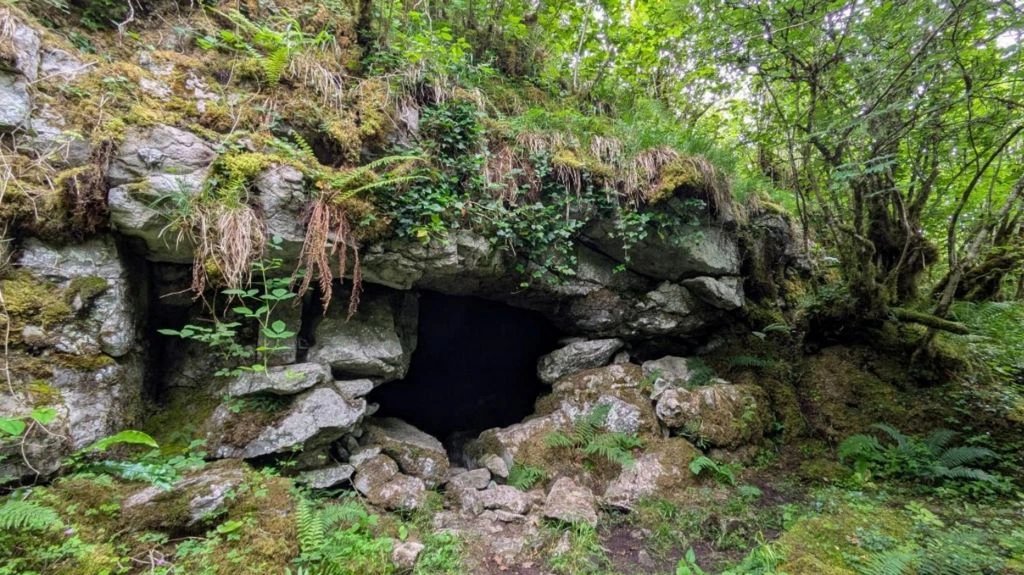
Researchers have discovered eight cave sites in southwest Ireland with rock art dating back at least 15,000 years, the earliest known evidence of humans in Ireland. The discovery suggests the first people arrived from Wales via a land bridge exposed during the last Ice Age. The find pushes back the previous earliest evidence by about 5,000 years.
Key Facts
- Eight cave sites in southwest Ireland contain rock art dated to at least 15,000 years ago.
- The previous oldest evidence of humans in Ireland dated to around 10,500 years ago.
- A land bridge about 46 miles (76 km) wide connected Pembrokeshire in Wales to the Rosslare area of Ireland during the last Ice Age.
- The Lost Land Bridge Project was coordinated by Dr George Nash of Liverpool University.
- Artificial intelligence was used to identify cave sites in Ireland based on characteristics of cave dwellings in south Wales.
The Discovery
Dr George Nash of Liverpool University coordinated the Lost Land Bridge Project, which located eight cave sites in southwest Ireland. The rock art at these sites dates back at least 15,000 years, making it the earliest known evidence of human presence in Ireland. The previous oldest evidence, found through accidental discovery, dated to around 10,500 years ago. Nash said the principle guiding the search was that absence of proof is not proof of absence.
The Land Bridge
During the last Ice Age, lower sea levels exposed a land bridge between modern-day Pembrokeshire in Wales and the southeast tip of Ireland near Rosslare. The land bridge was approximately 46 miles (76 km) coast-to-coast and consisted of forested and grassland plateau. Summer temperatures on the pathway ranged from -10°C to -20°C, yet it supported wild horses, mammoth, bison, reindeer and other large herbivores. Nash said the opportunities presented by this pathway would have been too good for hunter-gatherers to ignore.
Research Methods
The project team included experts from University College Dublin, the University of Adelaide, and academics from Dubai, Wales and Portugal. Caving specialist Shane Diffily and digital mapping consultant Darren Lee helped build a computer algorithm based on characteristics of cave dwellings in south Wales. The algorithm searched for similar sites in Ireland, replacing what Nash described as trudging blindly around the countryside. Nash said advances in artificial intelligence had been a game-changer for the research.
1 source
Time · lag behind first