Ancient human DNA recovered from cave walls in Spain, Portugal
This digest was compiled by AI from multiple sources — links to the originals are below.
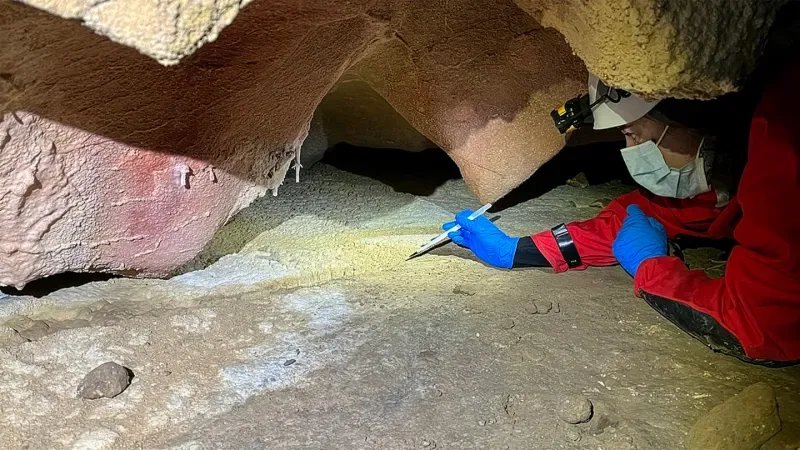
Scientists have recovered ancient human DNA from cave walls in Spain and Portugal for the first time. The DNA, at least 2,000 years old and likely much older, was found in five samples from 11 caves, including the Cave of Altamira. The discovery opens new possibilities for studying ancient artists, though it cannot yet link the DNA to specific paintings.
The Discovery
Researchers from the Max Planck Institute for Evolutionary Anthropology and Spanish partners collected over 100 samples from 11 caves in Spain and Portugal, half from paintings and half from bare rock. Five samples contained ancient human DNA, with only one from a painted surface — at Escoural Cave in Portugal. The other four came from unpigmented walls in Escoural and Covarón Cave. The study was published June 23 in Nature Communications.
DNA Preservation and Age
DNA degradation patterns suggest the samples are at least 2,000 years old, but likely much older. Two best-preserved samples show genetic similarities to hunter-gatherers who lived in Europe up to 16,000 years ago. In two Escoural samples — one pigmented, one plain — no animal DNA was present, indicating direct human contact such as touching, sneezing, or urination.
Implications for Rock Art
Hipólito Collado Giraldo, an archaeologist with Spain's Extremadura government, called the finding 'a new and fascinating stage' for rock art studies. The technique may help determine the sex of artists, trace population movements, and clarify debates about Neandertal artistic abilities. However, the study cannot yet link recovered DNA to specific paintings.
What's Next
Researchers plan to expand sampling to more caves and refine methods to link DNA to specific artworks. It remains unclear whether the technique can distinguish DNA left by artists from that deposited by later visitors.
1 source
Ancient human DNA recovered from cave walls in Spain, Portugal