
Study: Permafrost methane release drove 7°C warming 304 million years ago
This digest was compiled by AI from multiple sources — links to the originals are below.
A spike in sea surface temperatures during the Late Paleozoic Ice Age 304 million years ago was driven by a methane feedback loop from thawing permafrost, according to a study published in Proceedings of the National Academy of Sciences. Global sea surface temperatures climbed by more than 7°C after a modest initial warming triggered the release of trapped carbon, researchers found. The findings offer an analog for modern climate change, even as current warming proceeds at a far faster rate.
The 304-Million-Year-Old Spike
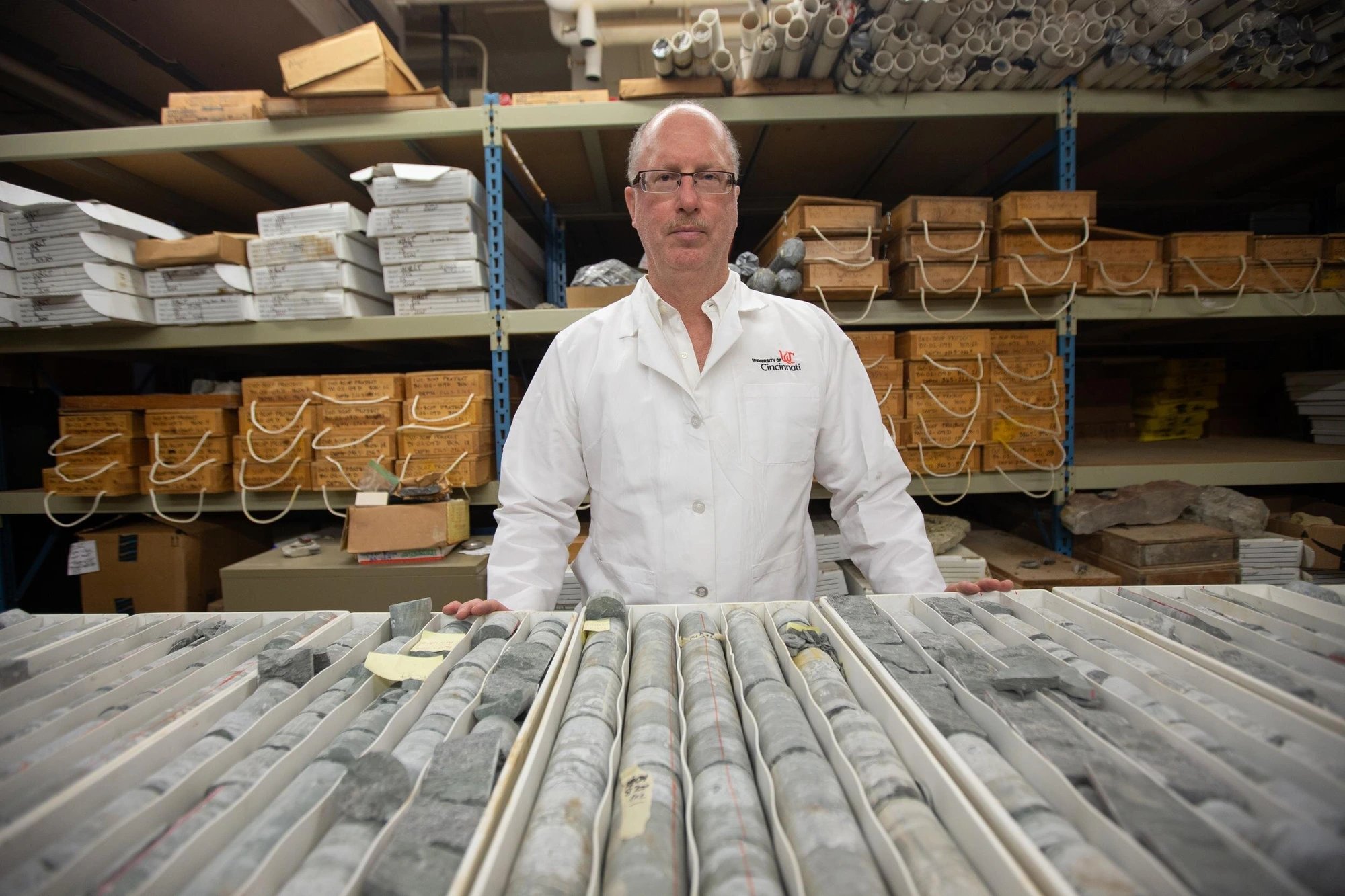
Global sea surface temperatures rose by more than 7°C during the Late Paleozoic Ice Age, the second most recent icehouse period, researchers report. The spike occurred roughly 304 million years ago and unfolded over tens of thousands of years, at a rate of about 0.1°C per thousand years. In contrast, current sea surface temperatures have risen nearly 1°C in just the past century. The study, led by Le Yao of the Nanjing Institute of Geology and Paleontology, involved an international team including University of Cincinnati Professor Thomas Algeo.
Methane from Thawing Permafrost
A modest initial warming, possibly from volcanic activity and orbital variations, pushed the climate past a tipping point, triggering massive methane release from melting permafrost. This created a positive feedback loop that amplified the temperature increase. The findings, published in PNAS, indicate that such a mechanism could accelerate today’s warming if permafrost continues to thaw. Algeo emphasized that the event occurred during an ice age, making it a unique analog for the current climate system, which still has large ice sheets in Greenland and Antarctica.
Implications for Modern Warming
The study underscores how atmospheric carbon levels can drive abrupt climate shifts even during icehouse conditions. While past warming was gradual by human standards, the researchers warn that the current rate of carbon release is unprecedented. The team suggests that the Late Paleozoic event illustrates the danger of crossing climatic thresholds. “What makes this warming event 304 million years ago unique is that it occurred during an ice age,” Algeo said. “That’s what makes this event important as an analog for modern-day climate warming.”
1 source
Time · lag behind first