
University of Chicago chemists create nanocrystals from metal nitrides
This digest was compiled by AI from multiple sources — links to the originals are below.
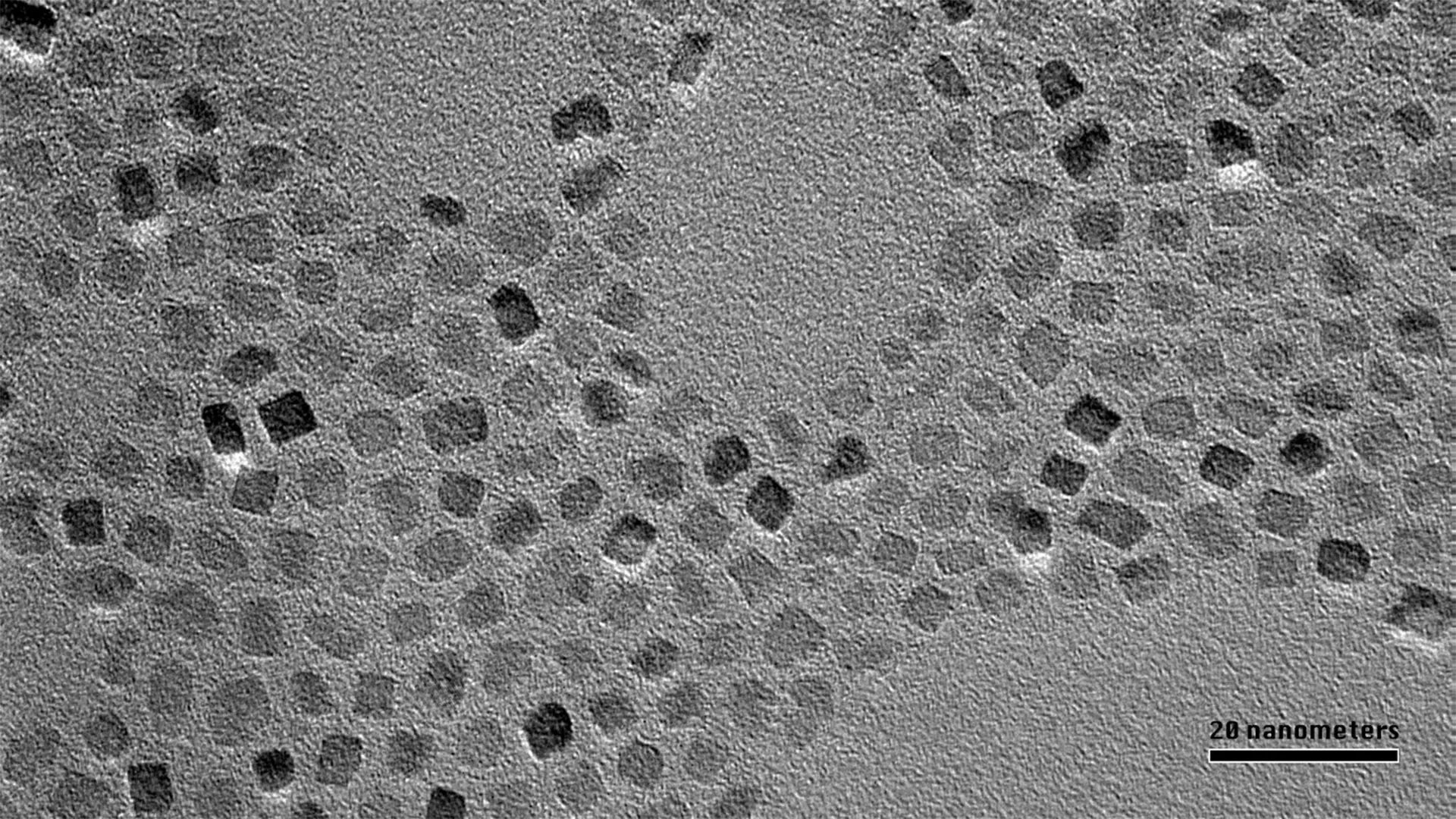
Chemists at the University of Chicago and Argonne National Laboratory developed a method to create nanocrystals from metal nitrides, a class of materials previously resistant to nanocrystal synthesis. The study, published in Nature, demonstrates the synthesis of nearly a dozen metal nitride nanocrystals. The advance could enable applications in flexible lighting, medical implants, and other electronics.
Key Facts
- The study was published in Nature.
- The method produced nearly a dozen metal nitride nanocrystals that could not be synthesized by traditional methods.
- Ruiming Lin, a graduate student at UChicago, is the first author of the paper.
- Dmitri Talapin, a professor at UChicago and scientist at Argonne, is the senior author.
Metal Nitride Nanocrystals
Metal nitrides are widely used in technology, with gallium nitride found in LED bulbs and laptop displays. Turning these materials into nanocrystals could allow them to be mixed into polymers, printed with inkjet techniques, or incorporated into fabrics and flexible devices. The new method expands the boundaries of the field beyond previous fundamental constraints and lays the foundation for using nitrides as nanomaterials.
Synthesis Challenge
Nanocrystals are extremely small crystals, with millions or billions able to fit on a fingernail. Materials can behave differently at this scale, sometimes producing bright light or becoming especially effective at accelerating chemical reactions. Metal nitrides are strong, biocompatible, and resistant to heat and corrosion, but these same qualities make them extremely difficult to form into nanocrystals. As crystals develop, their ions need enough freedom to rearrange before settling into final positions, a process compared to partners changing places during a square dance.
1 source
Time · lag behind first