
New 2D material stacking technique promises quantum computing advance
This digest was compiled by AI from multiple sources — links to the originals are below.
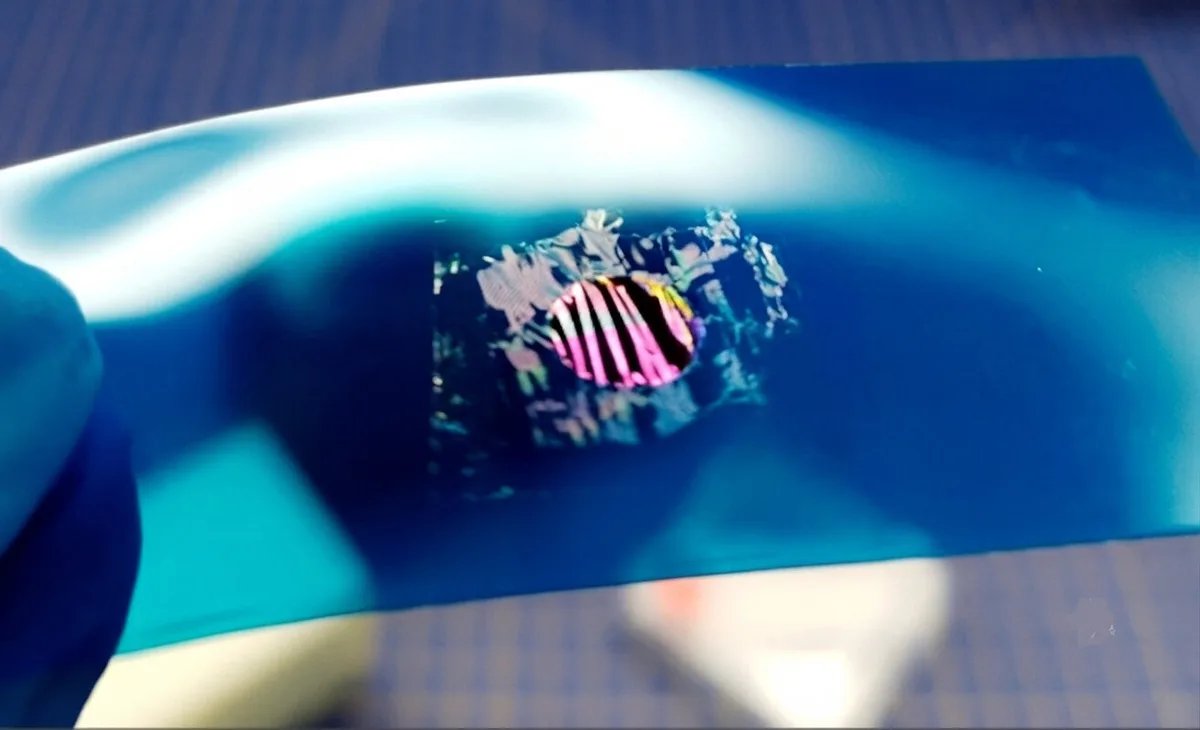
Scientists from the University of Southampton and the National University of Singapore have developed a fabrication technique for ultra-clean 2D heterostructures. The method enables precise stacking of atom-thin materials, potentially accelerating quantum computing and electronics research.
The Fabrication Method
The technique produces ultra-clean 2D heterostructures by stacking atom-thin layers without contamination. Researchers claim it achieves higher precision than existing methods, reducing defects that degrade performance. The approach was detailed in a study published in Nature Communications.
Quantum Technology Potential
The ultra-clean stacks could enable next-generation quantum devices, including qubits and sensors. The method's scalability makes it suitable for industrial production, according to the team. Experts note that cleaner interfaces improve coherence times in quantum systems.
1 source
Time · lag behind first