
Caspian Sea could drop 21 meters by 2100, threatening ports and fisheries
This digest was compiled by AI from multiple sources — links to the originals are below.
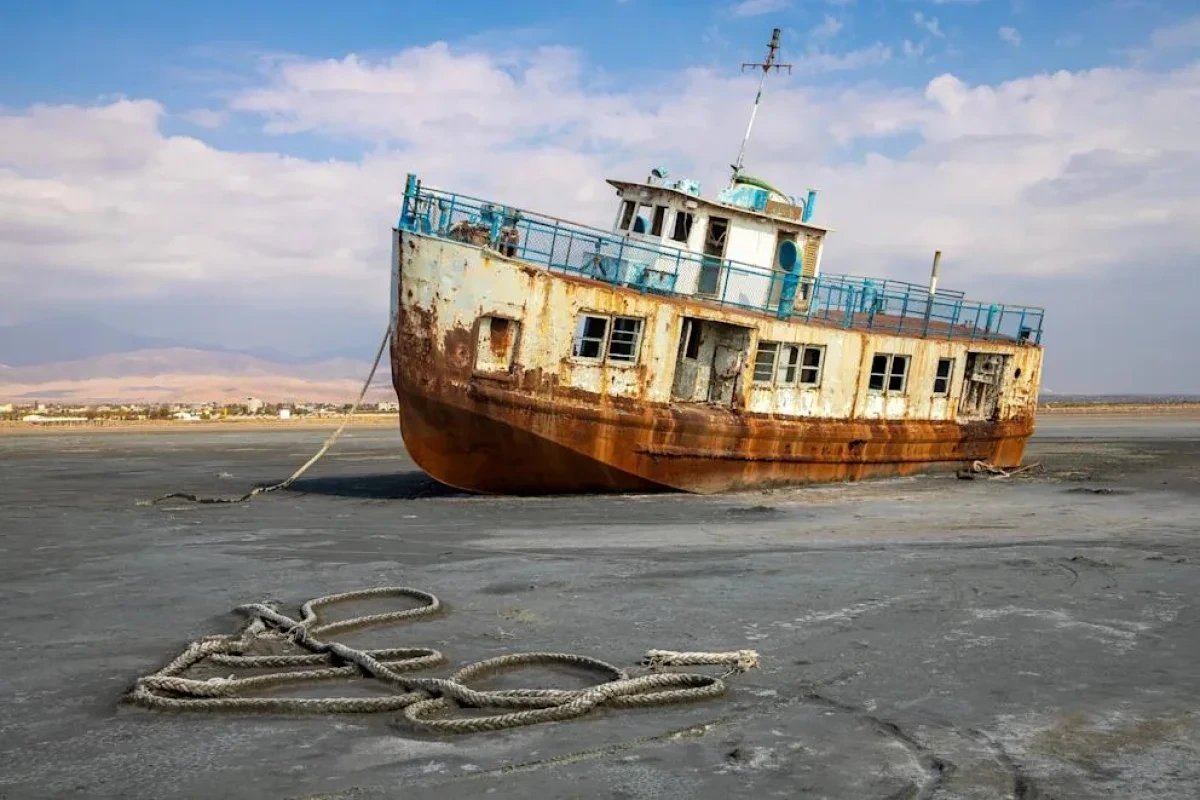
The Caspian Sea, the world's largest inland water body, could see its level fall by about 21 meters by 2100 due to dams, water management, and climate change. A drop of just 10 meters would merge large parts of the shallow northern basin with land, eliminating nearly a third of the current water surface. The five littoral states face political obstacles to joint conservation efforts.
Key Facts
- The Caspian Sea level could drop by about 21 meters by 2100, according to scientists.
- A 10-meter drop would merge large parts of the shallow northern basin with land, eliminating nearly a third of the current water surface.
- The Caspian Sea is bordered by Iran, Russia, Azerbaijan, Turkmenistan, and Kazakhstan.
- Lake Constance, between Germany, Austria, and Switzerland, experienced extremely low water levels this summer due to strong evaporation.
- In the late 1970s, Lake Constance was heavily polluted by fertilizers, leading to algal blooms, oxygen depletion, and a swimming ban.
Caspian Sea Decline
The Caspian Sea, the world's largest inland water body, has been shrinking rapidly since the 1990s. Dams and water management in the Volga basin, along with human-caused climate change, are the main drivers. Higher temperatures increase evaporation, accelerating the decline. Ports increasingly require dredging, fish stocks are shrinking, wetlands are threatened, and Caspian seal habitats are drying up. Scientists warn of dust and pollutants from the exposed lakebed, similar to the Aral Sea disaster.
Lake Constance Recovery
Lake Constance, located between Germany, Austria, and Switzerland, saw extremely low water levels this summer due to strong evaporation. In the late 1970s, the lake was heavily polluted by fertilizers, threatening an ecological catastrophe. Algal blooms and oxygen depletion endangered fish species and led to a swimming ban. Improved wastewater treatment and phosphorus removal significantly reduced phosphorus concentrations.
1 source
Time · lag behind first