
Fast-moving wildfires leave too few seed trees for western North American forest recovery
This digest was compiled by AI from multiple sources — links to the originals are below.
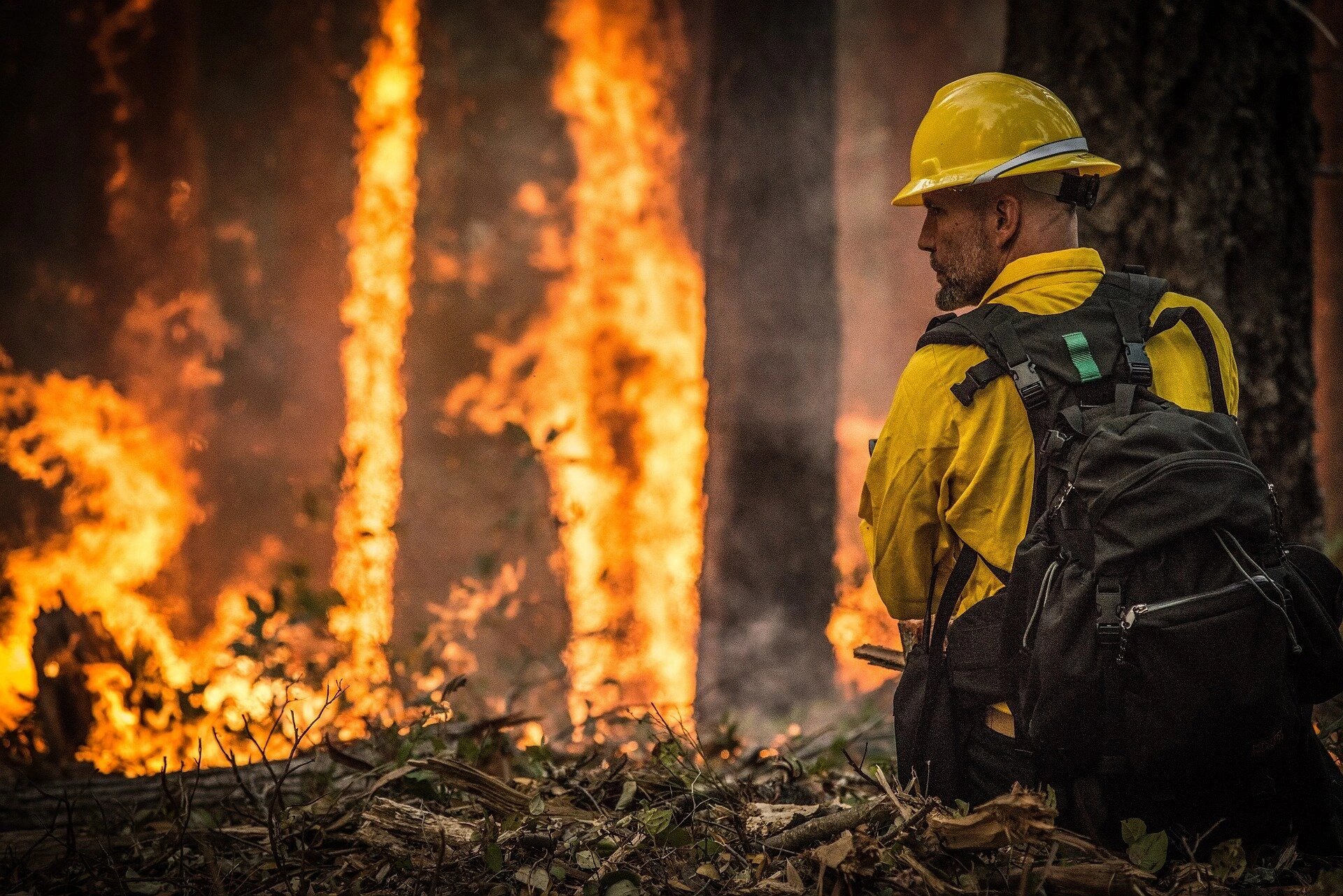
Fast-moving wildfires across western North America are burning conifer forests so thoroughly that they leave too few surviving seed trees for natural recovery, according to a study published in Science Advances. Researchers from Colorado State University and Western Colorado University, with colleagues at UC Berkeley, the U.S. Forest Service and the Canadian Forest Service, analyzed nearly 3,500 wildfires from 2012 to 2023 and found that higher fire spread rates increased near-total tree mortality and widened the distance to surviving seed trees. The findings suggest many burned areas may shift to shrubland or grassland rather than returning to forest.
Fire Spread and Study Scope
Researchers from Colorado State University, Western Colorado University, UC Berkeley, the U.S. Forest Service and the Canadian Forest Service analyzed nearly 3,500 wildfires in conifer forests across western North America from 2012 to 2023. They examined more than 33,000 individual daily wildfire spread events to compare fire speed with post-fire survival. The study appears in Science Advances.
Tree Mortality and Seed Sources
As fire spread rates increased, the share of forest experiencing near-total tree mortality rose, and the distance to surviving trees capable of reseeding burned ground widened. Many western conifer species rely on nearby living trees to naturally repopulate after fire. Lead author Jonathan Coop of Western Colorado University said fire speed not only increases acres burned but also leads to outsized impacts on each of those acres.
Landscape Conversion Risk
Severe fires that leave large expanses without seed trees make forest recovery harder and, in some places, may prevent recovery as forest at all, said Camille Stevens-Rumann, director of the Colorado Forest Restoration Institute at Colorado State University. Such landscapes may gradually shift to shrublands, grasslands or other vegetation better suited to warmer, drier conditions. Coop said the story is not just bigger fires but fundamentally different landscape outcomes. Previous studies by Coop and colleagues have shown that a relatively small number of extreme fire-spread events account for a disproportionate share of the total area burned each year.
1 source
Time · lag behind first