
Semipalatinsk Legacy 35 Years On: Research Shifts Toward Community Care
This digest was compiled by AI from multiple sources — links to the originals are below.
Thirty-five years after Kazakhstan closed the Semipalatinsk nuclear test site, researchers and community advocates say its legacy still shapes health, science and policy. As evidence becomes more precise, experts say the focus is shifting toward how that knowledge can better support affected communities.
Key Facts
- Kazakhstan closed the Semipalatinsk nuclear test site on Aug. 29, 1991, ending more than four decades of Soviet nuclear testing.
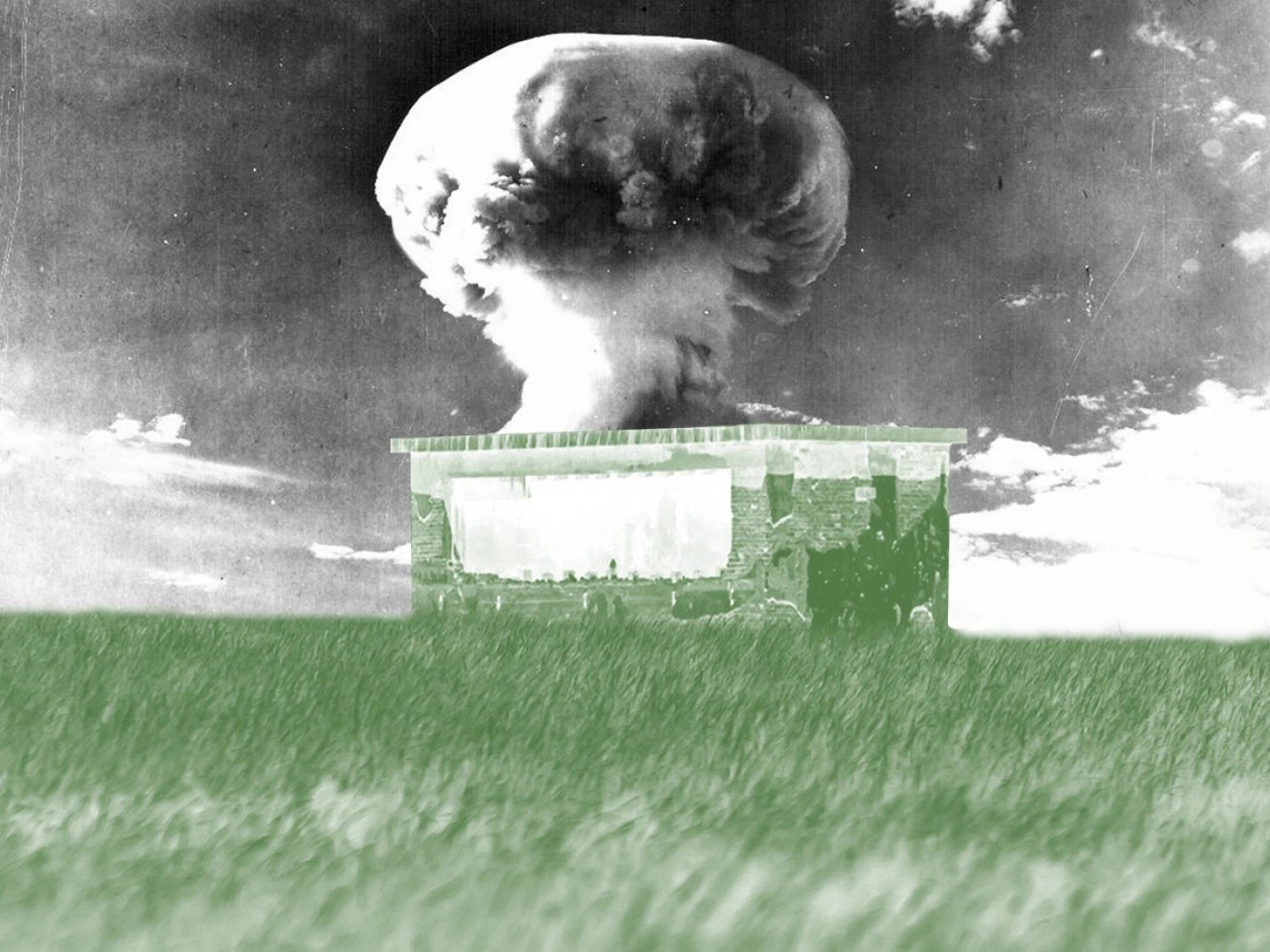
- Between 1949 and 1989, 456 nuclear tests were conducted at the site, including 116 atmospheric explosions.
- The United Nations General Assembly designated Aug. 29 as the International Day against Nuclear Tests at Kazakhstan's initiative.
- A 2026 study estimated external whole-body doses for 14,789 people from 15 settlements affected by fallout between 1949 and 1962.
Reconstructing Invisible Exposure
Radiation exposure was far from uniform, with doses differing significantly depending on the test, fallout path, residence, age, activities and diet. Reconstructing individual exposure decades later is particularly difficult because personal radiation measurements were generally unavailable at the time. Vladimir Drozdovitch, a staff scientist in the Radiation Epidemiology Branch of the U.S. National Cancer Institute, said researchers combine historical environmental data with information about individual circumstances. For the Semipalatinsk population, this includes archival measurements of radiation exposure rates in air, information about nuclear tests and fallout, measurements of residual radionuclides in soil, and retrospective physical dosimetry using materials such as bricks and tooth enamel. Researchers must also establish where people lived during individual tests, whether they were temporarily away, their age and occupation, housing conditions, and consumption of locally produced food, particularly milk and dairy products.
From Research to Care
As evidence becomes more precise, experts say the focus is shifting toward how that knowledge can better support affected communities. The anniversary now marks both the historic closure and continuing questions surrounding the long-term effects of exposure.
1 source
Time · lag behind first