
Kazakhstan's 1991 Semipalatinsk closure anchors its nonproliferation diplomacy 35 years on
This digest was compiled by AI from multiple sources — links to the originals are below.
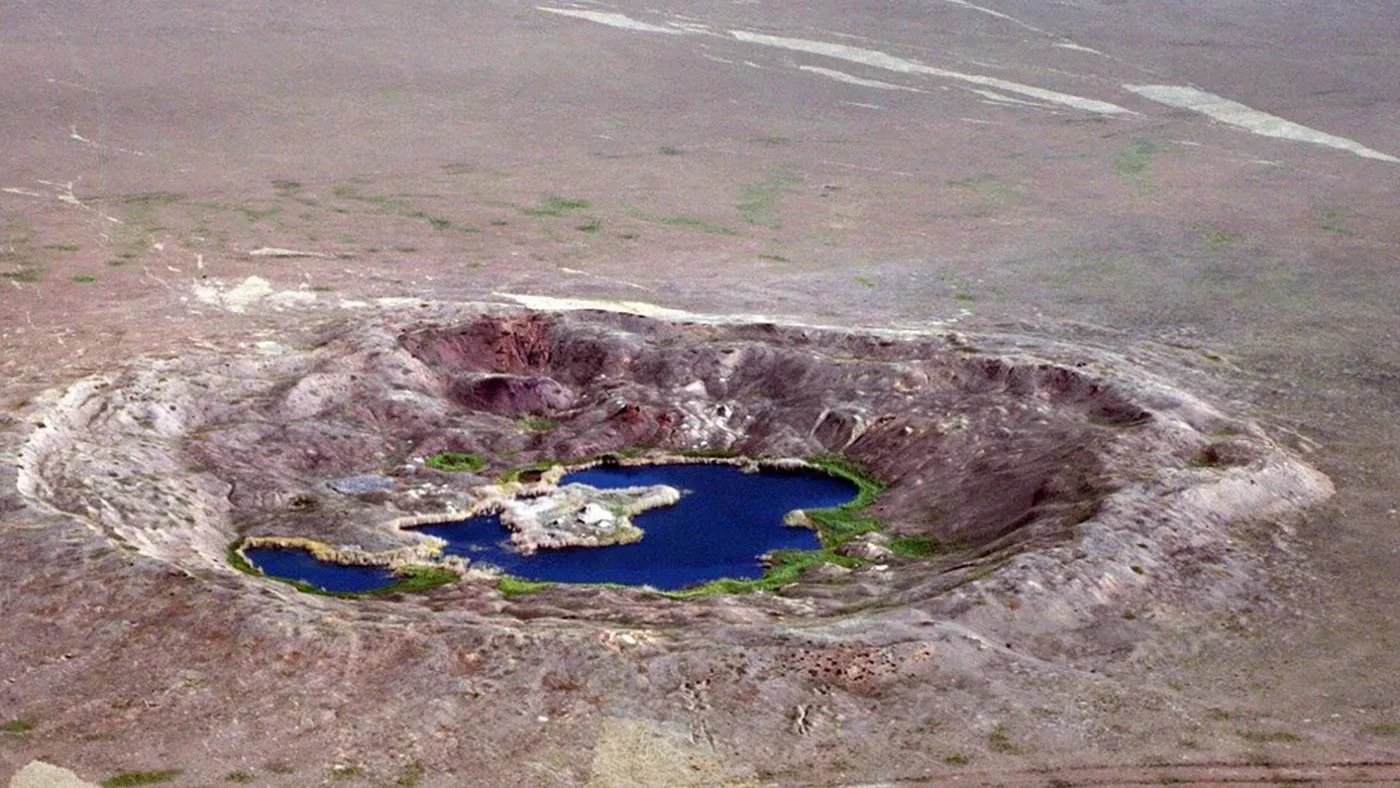
Kazakhstan closed the Semipalatinsk nuclear test site by decree on Aug. 29, 1991, after 456 nuclear explosions were conducted there between 1949 and 1989. The decision became a foundation of the country's foreign policy, leading to renunciation of the world's fourth-largest nuclear arsenal and ratification of the Comprehensive Nuclear-Test-Ban Treaty. Kazakhstan now hosts five CTBT monitoring stations and the IAEA Low Enriched Uranium Bank in Oskemen.
Key Facts
- Between 1949 and 1989, 456 nuclear explosions were conducted at the Semipalatinsk test site.
- Kazakhstan renounced the world's fourth-largest nuclear arsenal after independence.
- In 2009, Kazakhstan proposed Aug. 29 as the UN International Day against Nuclear Tests, adopted unanimously by the General Assembly.
- Five stations on Kazakhstan's territory form part of the CTBT's International Monitoring System.
- Kazakhstan hosts the IAEA Low Enriched Uranium Bank at the Ulba Metallurgical Plant in Oskemen.
Closure Decision
On Aug. 29, 1991, Kazakhstan permanently closed the Semipalatinsk nuclear test site by decree. The closure occurred while the Soviet Union still existed and Kazakhstan's own future was uncertain. The Nevada-Semipalatinsk movement, founded in 1989 and led by poet Olzhas Suleimenov, helped build political momentum for the closure.
Nonproliferation Legacy
Kazakhstan joined the Treaty on the Non-Proliferation of Nuclear Weapons as a non-nuclear-weapon state. The country ratified the Comprehensive Nuclear-Test-Ban Treaty and helped establish the Central Asian Nuclear-Weapon-Free Zone. Kazakhstan worked with international partners to strengthen the global nonproliferation regime.
International Mechanisms
Kazakhstan proposed Aug. 29 as the UN International Day against Nuclear Tests in 2009, and the General Assembly adopted the initiative unanimously. Five stations on Kazakhstan's territory provide real-time data for the CTBT's global verification regime. Kazakhstan hosts the IAEA Low Enriched Uranium Bank at the Ulba Metallurgical Plant in Oskemen. Together with Kiribati, Kazakhstan has led efforts under the Treaty on the Prohibition of Nuclear Weapons to advance victim assistance and environmental remediation.
1 source
Time · lag behind first