
Nature Genetics study reveals treatment-induced genomic scars in relapsed childhood cancers
This digest was compiled by AI from multiple sources — links to the originals are below.
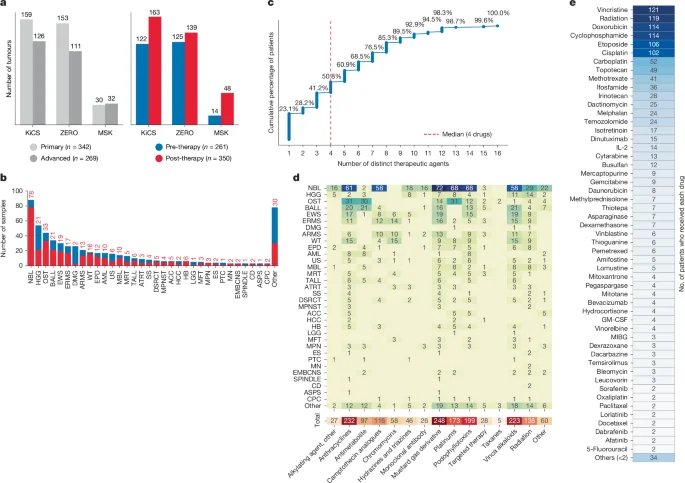
A study published in Nature Genetics has identified distinct mutational signatures in relapsed childhood cancers that mirror the genomic damage caused by previous chemotherapy and radiation. The analysis of tumor genomes from over 300 patients reveals patterns linked to specific treatments, such as platinum-based drugs and ionizing radiation. Even as survival rates for childhood cancers continue to improve, the findings underscore the long-term genetic consequences of life-saving therapies.
Therapy-Driven Mutational Patterns
Researchers at the Barcelona Institute for Global Health analyzed whole-genome sequences of 324 relapsed pediatric tumors, identifying mutational footprints matching known patterns from DNA-damaging treatments. The study, published July 28 in Nature Genetics, linked specific signatures to platinum-based agents, alkylating drugs, and radiation therapy. Children previously treated with doxorubicin showed a distinct pattern of small deletions, while cyclophosphamide exposure correlated with a high burden of base substitutions. The team also found that tumors with a prior history of radiotherapy exhibited large structural variants rarely seen in treatment-naïve cancers.
Survivor Monitoring and Risk
The genomic scars could serve as biomarkers for long-term surveillance of childhood cancer survivors, who face elevated risks of relapse and secondary malignancies decades after treatment. ‘These mutational signatures essentially create a forensic record of the therapies a patient received,’ said lead author Oriol Pich. The findings support the development of tailored follow-up protocols, including more frequent screening for patients with high-risk genomic profiles. However, translating these patterns into clinical practice will require validation in larger, more diverse cohorts, the researchers noted.
1 source
Time · lag behind first