
Europe's heatwaves force nuclear output cuts as rivers warm
This digest was compiled by AI from multiple sources — links to the originals are below.
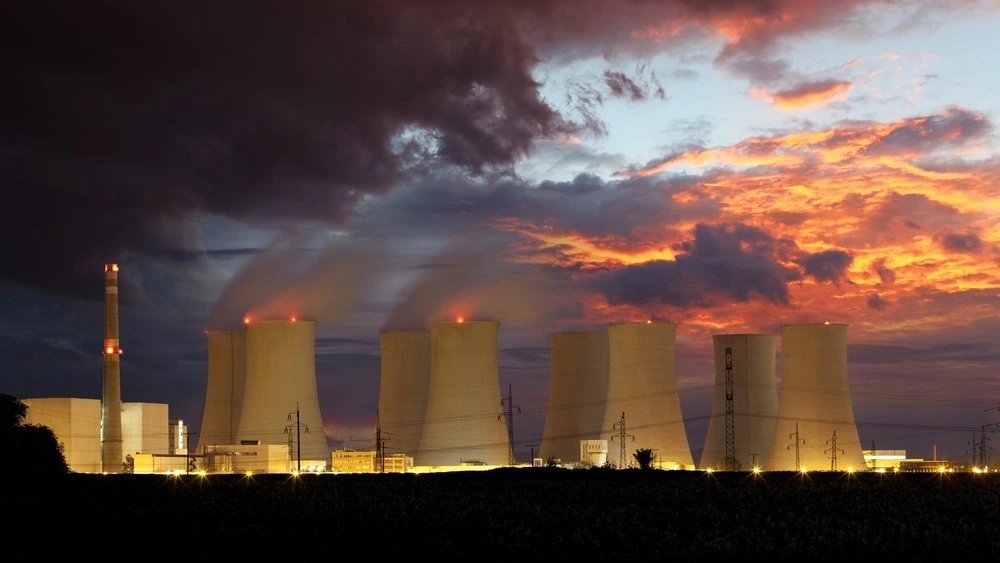
Europe's heatwaves are forcing nuclear power plants to reduce output as rivers used for cooling become too warm or low. Hungary cut the Paks plant to just over 10 percent capacity, and France shut reactors at a record pace in July. The reductions caused regional electricity prices to spike to €500 per megawatt-hour, though grid operators said supply was never seriously jeopardized.
Key Facts
- Hungary reduced output at the Paks nuclear power plant to just over 10 percent of capacity earlier this month.
- The Paks reduction caused regional electricity prices to reach €500 per megawatt-hour.
- France shut down nuclear reactors at a record pace in July due to insufficient cooling water.
- French grid operator RTE said the country still had sufficient generation capacity to meet electricity demand.
- Zsuzsanna Pató of the Regulatory Assistance Project said Europe must plan its power system for extreme heat as the new normal.
Heatwave Impact on Nuclear Output
Many nuclear power plants rely on rivers for cooling, and when rivers are too hot or water levels too low, operators must reduce or shut down output. Hungary cut the Paks plant to just over 10 percent of capacity, narrowly avoiding a total shutdown that would have removed 40 percent of the country's electricity generation overnight. The sharp reduction in Hungarian output led to an enormous swing in electricity prices across the region, reaching €500 per megawatt-hour. In July, France reduced output and shut down nuclear reactors at a record pace as the country recorded its hottest day ever.
Policy Constraints vs. Technology Limits
The Conversation reported that the heatwave revealed not a failure of nuclear technology, but a narrow, well-understood constraint in how some riverside plants are allowed to operate during extreme heat. Despite curbing output at reactors across the country, France still had sufficient generation capacity to meet electricity demand, according to grid operator RTE. The reduction did have critical impacts on consumers within and outside of France, with prices rising, exports to neighbouring countries falling, and the grid relying more heavily on gas and oil-fired reserve generation. The Conversation conceded these were temporary strains, and at no point was France's supply in any kind of serious jeopardy.
1 source
Time · lag behind first