
Heat wave cuts nuclear output in Hungary, Romania and France
This digest was compiled by AI from multiple sources — links to the originals are below.
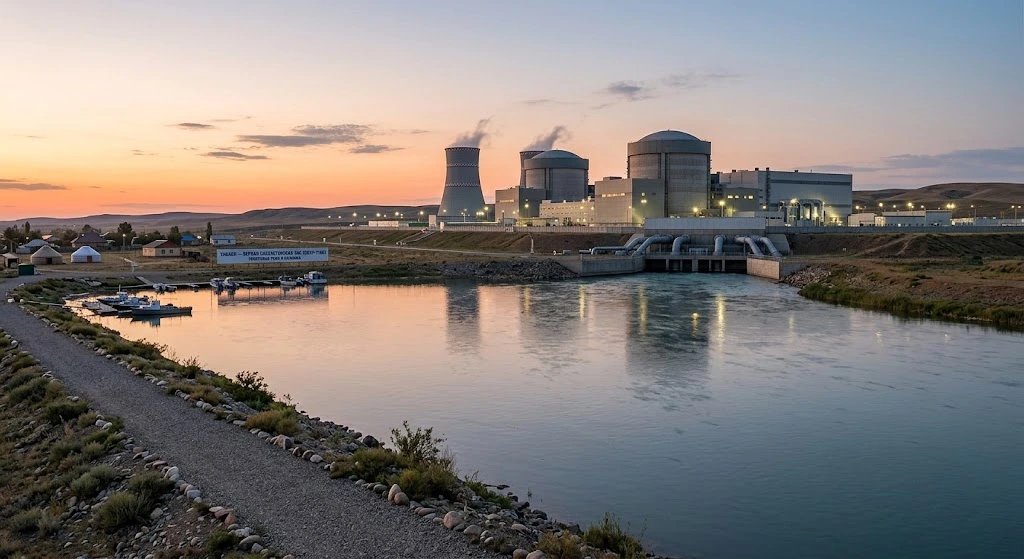
Record heat and falling river levels are reducing output at nuclear plants in Hungary, Romania and France, with France cutting atomic production by about 20%. Hungary's 2,000-megawatt Paks plant is operating near a full halt as the Danube falls.
Key Facts
- Hungary's Paks nuclear plant normally supplies almost half of the country's electricity.
- Hungarian authorities plan to deliver about 145,000 cubic metres of stone into the Danube to slow the current and maintain water levels.
- Romanian naval forces detonated 180 kilograms of explosives in early August to redirect the Danube's flow and secure reactor cooling.
- France's more diversified energy system allows it to absorb the production cut more easily than Hungary and Romania.
Heat and River Levels
Record heat waves hit Europe, and water levels in the region's largest rivers fall to historic lows. The 2,000-megawatt Paks plant in Hungary operates near a full halt after the Danube fell to a critical level. Paks normally supplies almost half of Hungary's electricity. Hungarian authorities order engineers to place about 145,000 cubic metres of stone in the Danube channel to slow the current and preserve water upstream.
Romania's Danube Measures
Romanian naval forces detonated 180 kilograms of explosives in early August to change the direction of the Danube's flow. The operation was intended to secure cooling water for the country's nuclear reactors. Romania's state operator runs the last operating reactor in the country.
France's Nuclear Output
In France, extreme drought combined with repeated jellyfish invasions has cut nuclear power production by about 20%. France's more diversified energy system allows it to absorb the reduction more easily than Hungary and Romania.
1 source
Time · lag behind first